




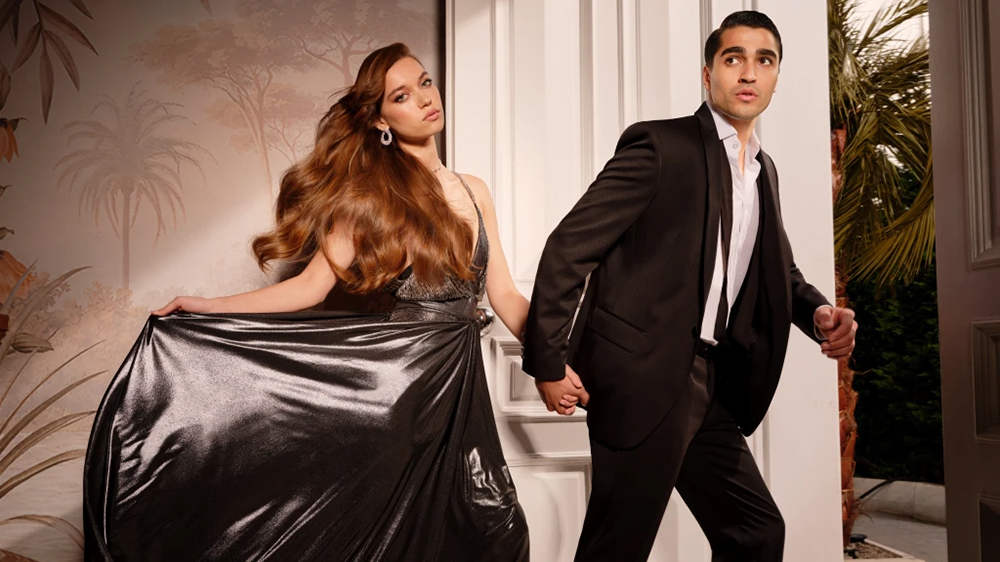
For our NEM Dubrovnik 2026 issue, Yasemin Şefik dives deep into Turkish TV.
Love or Drama?
In Turkish TV series, love is never just love. It is a destiny, a battlefield, sometimes a class struggle, and at times an inescapable state of addiction. And the world looks at these stories and asks: “Do you really love this way?” The answer is not simple. Because even if we don’t actually love this way, we know very well how to convey feeling this way.
The Allure of the Impossible: Rich–Poor Stories
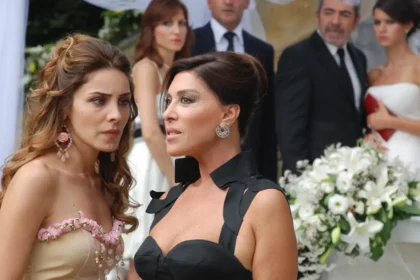
Take the rich-poor romance, for instance… This is the purest form of our dramatic genetics. Whether it’s Bihter’s heart flirting with the forbidden in Forbidden Love, or the tension of “not belonging to the same world” between Sanem and Can in Daydreamer… In these stories, it’s not actually about money. It’s about not belonging. Because a Turkish series knows one thing very well: love grows most when it is impossible.
The Calculation Seeping Into Love: Revenge Romances
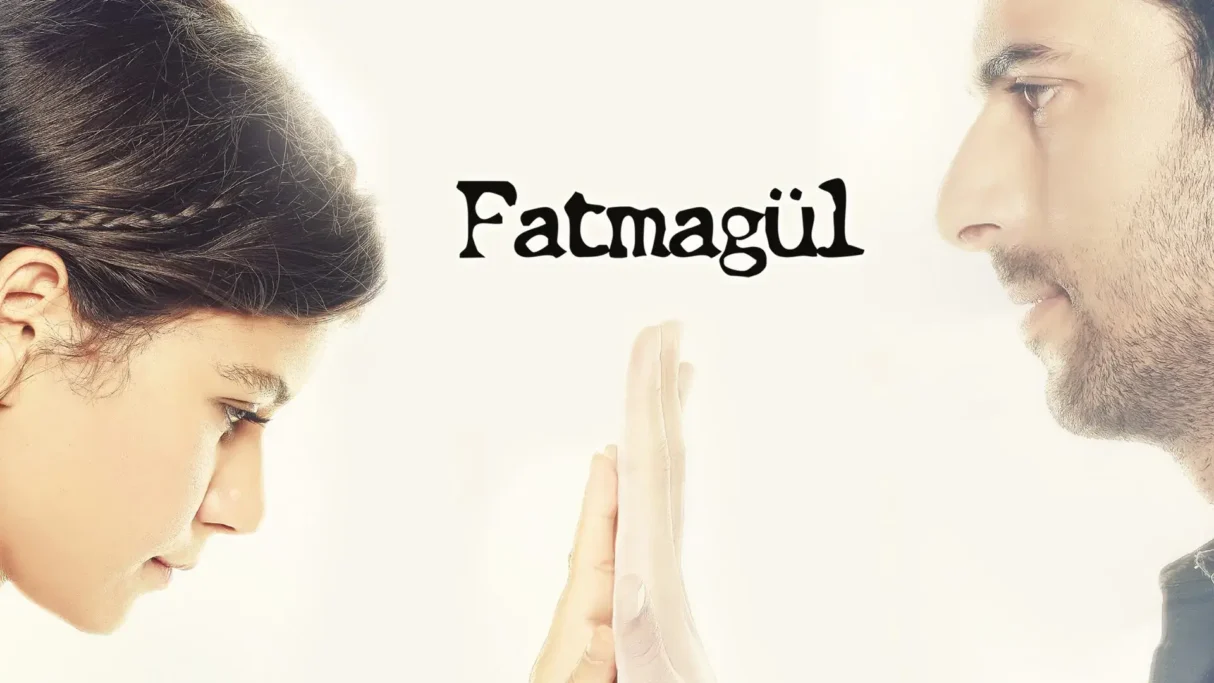
But it doesn’t just end with class differences. Revenge also speaks a romantic language in this geography. Kerim’s love mixed with guilt in Fatmagul, or in more recent examples, characters settling scores while simultaneously falling in love… In these stories, love is not a pure emotion; it is a form of reckoning. Sometimes, loving is not about forgiving, but burning together.
Passion or Addiction?
And the most dangerous part: confusing passion with pathology. In Turkish TV series, the phrase “I can’t live without you” is considered romantic. Yet most of the time, this is a sentence of addiction, not love. But this is exactly where the audience gets hooked. Because that extremity feels familiar. Everyone has a bit of a drama queen inside them; a genderless, timeless state. Men cry, women fall apart, and everyone at some point weighs too heavily on the protagonist of their own story.
Why Does the World Watch?
Why does the world watch these stories? Because Turkish TV series do not experience emotion minimally. While Western series often hide emotion, we magnify it. A single look lasts for three episodes, a breakup becomes a season finale. And the viewer feels this: “I don’t live this intensely, but would I want to?” The answer is usually yes. Because these series are an aesthetic overflow of the viewer’s own suppressed emotions.
New Generation, Old Emotions… Loves like a song cover, in a way.
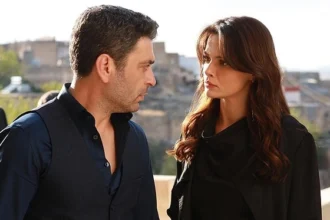
Today, the same vein continues in productions like Golden Boy. Modern relationships are being told, but the emotions are still maximal. Because while the decor changes, one thing remains constant: love in Turkish series is never simple.
In Conclusion: The Exaggerated State of Love
Perhaps the issue is this: we don’t describe love as it is. We describe it as we want it to be. A bit too much, a bit wrong, and a bit dangerous… but definitely not boring.
And that is exactly why the world is watching.