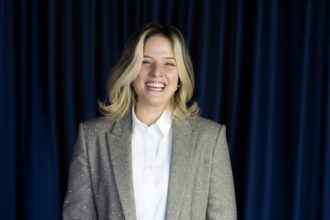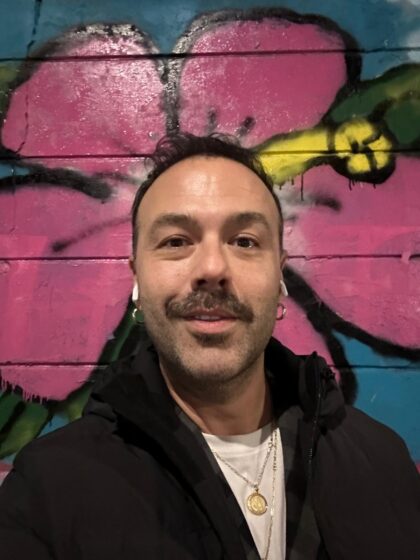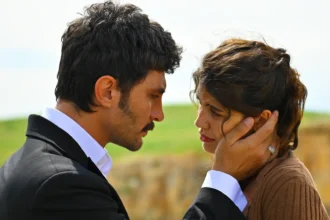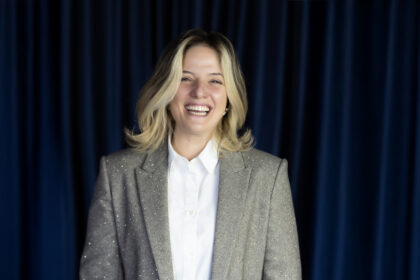





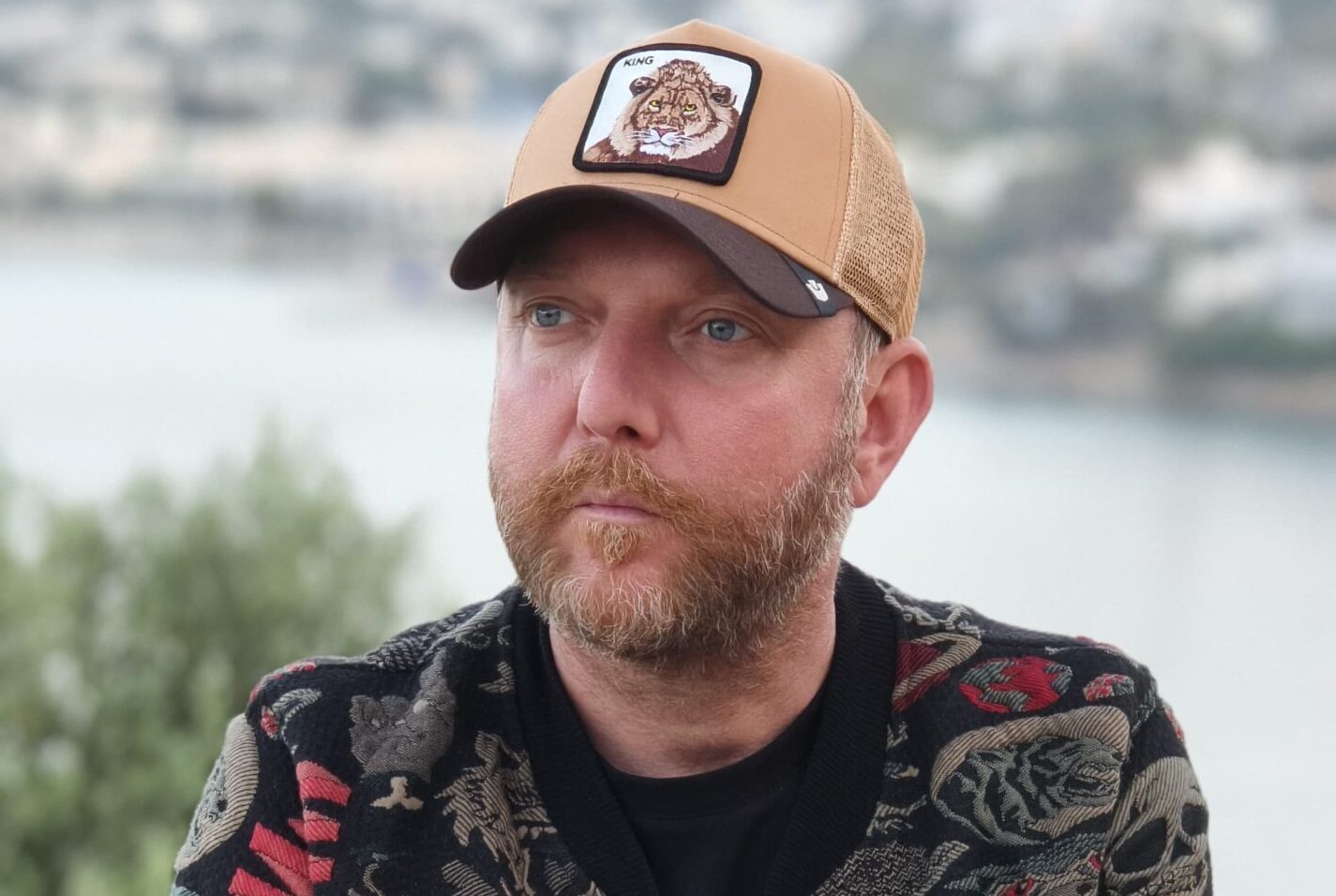
In the June issue of Episode Magazine, Yasemin Şefik spoke with Emre Kabakuşak, the director of Torn Apart.
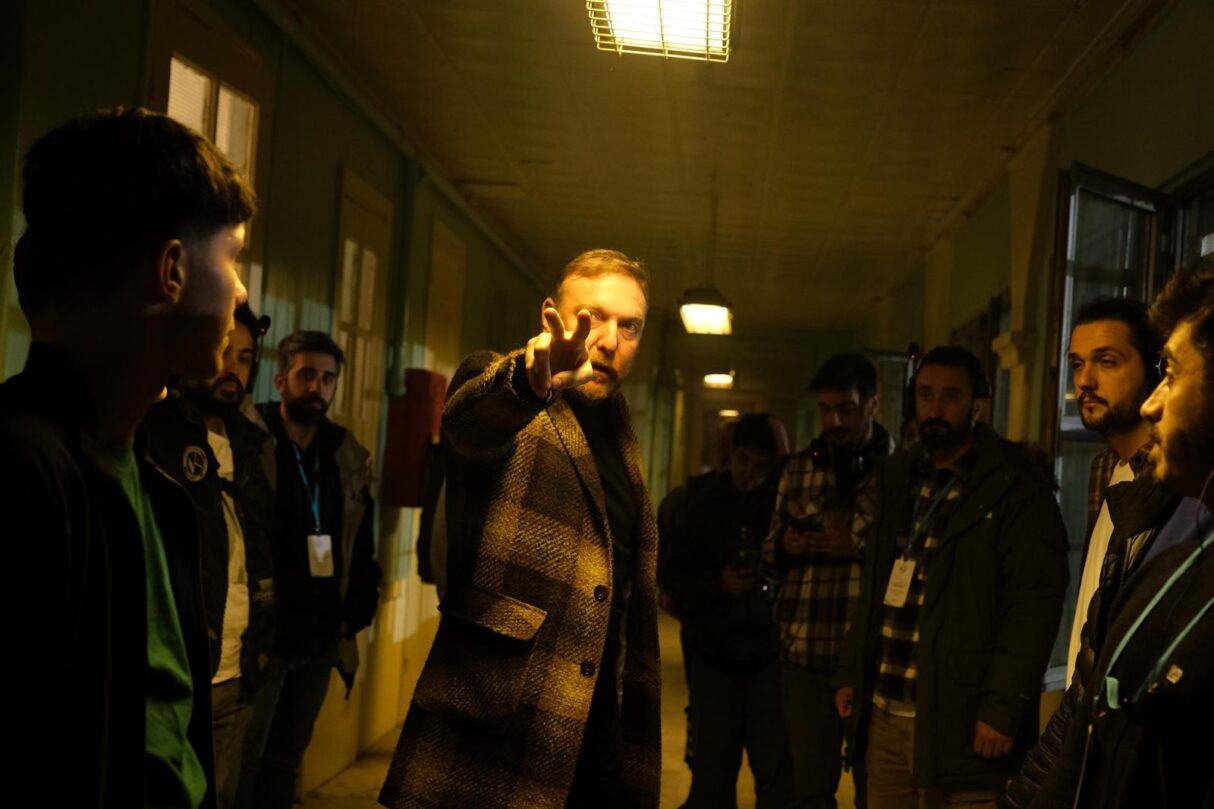
Torn Apart, which has become one of the most talked-about productions of the season, draws attention with its approach to youth stories, its strong cast, and its narrative that transforms the atmosphere of Bodrum into a part of the story. We came together with the series’ director, Emre Kabakuşak, to talk about the starting point of Torn Apart, the creative process he established with the young actors, the ratings success the series achieved in a short time, and the sense of brotherhood at the center of the story. According to Kabakuşak, the strength of the series lies in its sincere world, where the audience can find a piece of themselves.
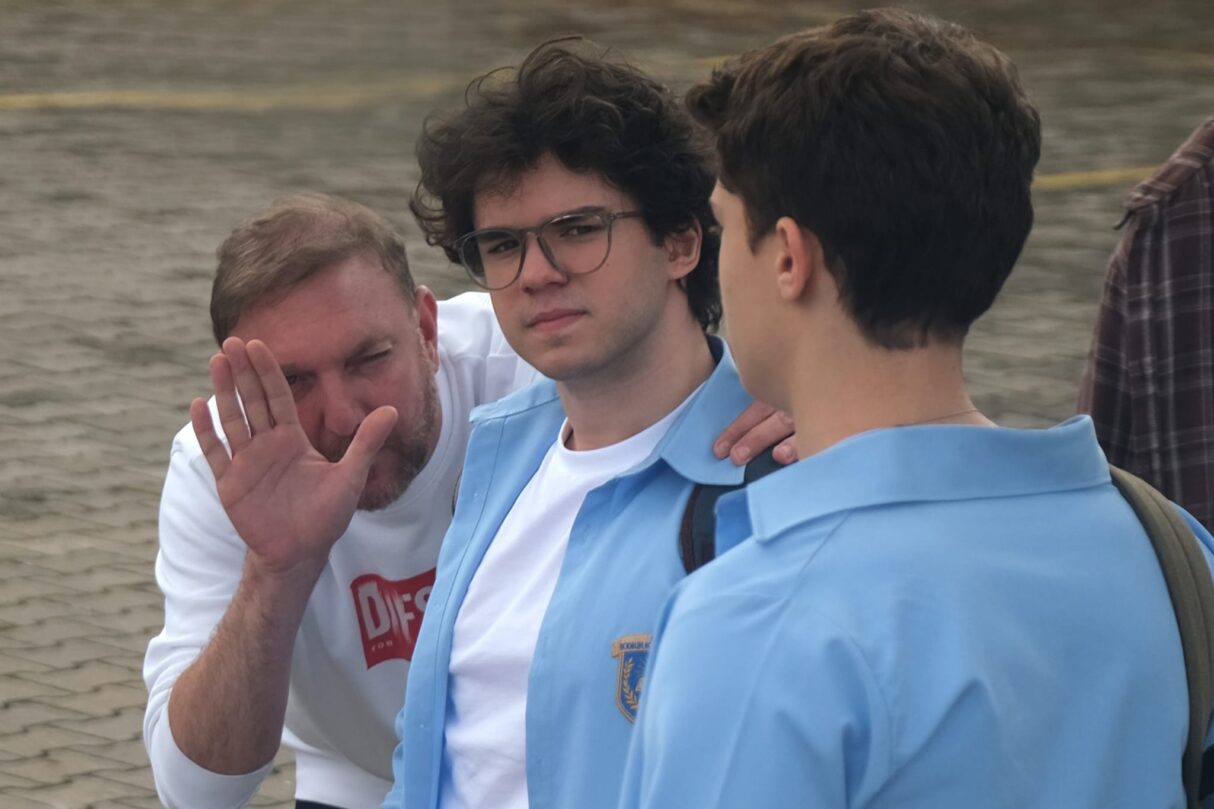
I think the strongest aspect of the series is its naturalness, sincerity, and realism. Our actors reflect their characters in an extremely genuine and correct way. When you watch each of them, it feels as if they have been living that character for years. This is what allows the story and the characters to resonate with the audience.“
When you first read Torn Apart, what was it that grabbed you as a director? What do you think distinguishes this story from other youth stories?
When I read the first three episodes, I saw that the remaining episodes had already been largely shaped by our screenwriters. We felt that a different kind of work would emerge, but for this, it was necessary to create the right atmosphere and the right cast. When all the pieces came together, a project emerged that stood out for its awareness and distinctiveness, rather than being compared to other works. It was clear from the very beginning that it would be different, and the results we received show exactly that.
At the center of the series is a search for a sibling, but there are also questions of belonging, family, and identity. Through which theme do you read this story the most?
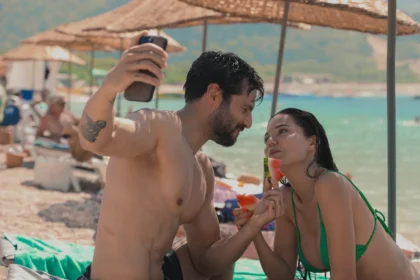
The feeling of brotherhood is at the center of the series. However, with Aras’s arrival in Bodrum, the story does not remain limited to this; friendship, love, Aras trying to face the betrayals he experienced in the past, Leyla falling in love with him as she gets to know him, and the inner journeys of the other characters also become part of the story. Actually, with Aras’s arrival in Bodrum, everyone begins to discover themselves.
In the first few weeks, the strong momentum the series achieved in the ratings caught a lot of attention. What do you think the audience found in Torn Apart? What lies at the root of this success?
I think the strongest aspect of the series is its naturalness, sincerity, and realism. Our actors reflect their characters in an extremely genuine and correct way. When you watch each of them, it feels as if they have been living that character for years. This is what allows the story and the characters to resonate with the audience.
The character Aras is someone the audience empathizes with from the very first episode. What did you pay special attention to when building him?
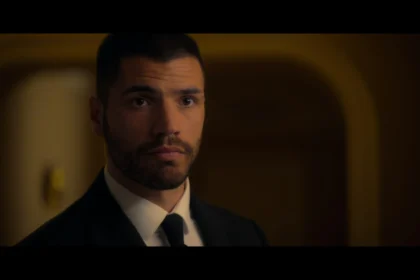
Aras is mature for his age, experiences his emotions intensely, and has high awareness. Therefore, it is not possible to describe him through a single emotion. On the journey he sets out on to find his sibling, he encounters one of the biggest tests of his life; he falls in love. This makes everything more complicated. I paid special attention to making him a confident, rational character whom the audience can empathize with. Honestly, I am also following Aras’s journey with great curiosity.
Çağan Efe Ak carries a massive narrative burden. How did you work on the balance between this character’s vulnerability and strength?
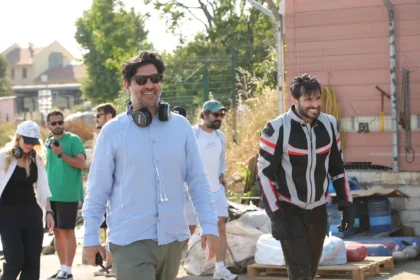
Çağan Efe is already a very talented actor. Shortly after we met, he practically put the character on like a glove. Therefore, we did not need long workshop processes. When we went on set, we captured a very good harmony. He is also aware of the burden the character carries and reflects this very successfully.
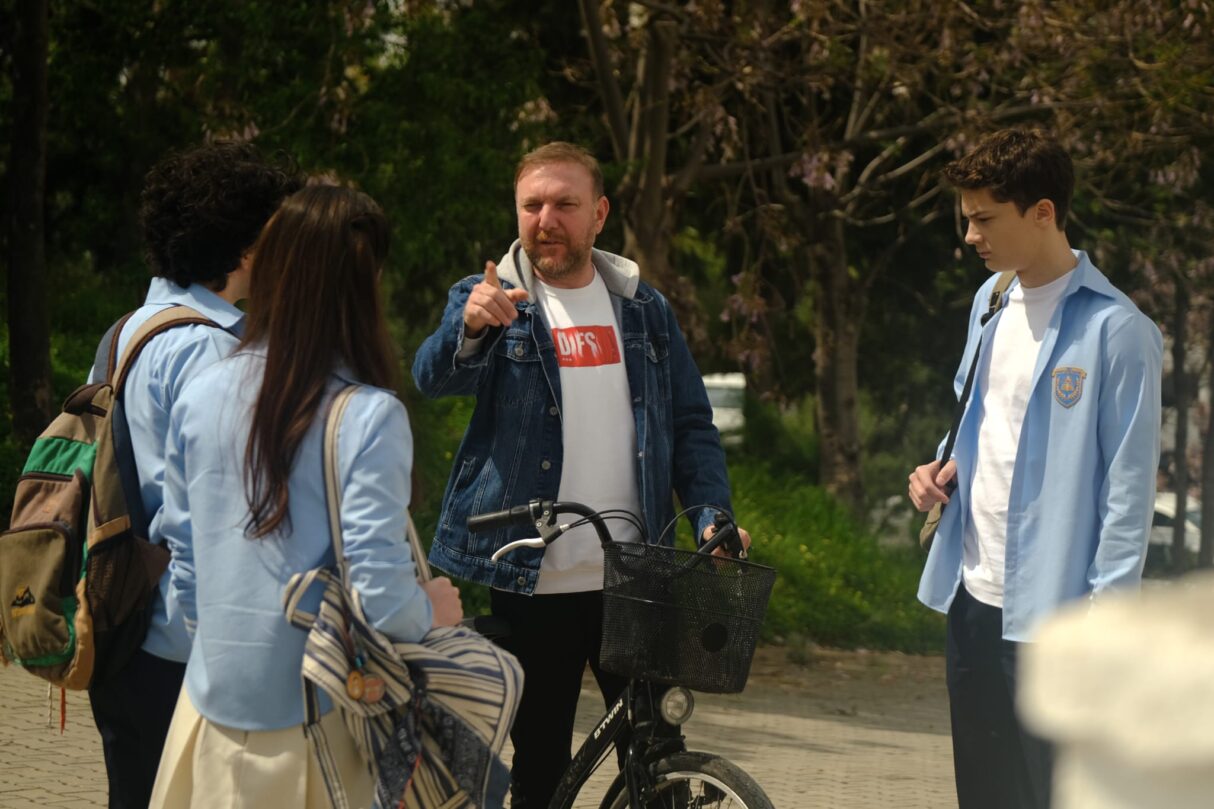
When working with young actors, is it harder to guide them or to preserve their natural states?
Actually, I don’t find it difficult at all. They act so naturally that every scene we work on together turns into a pleasure for me rather than a difficulty.
How much of the energy that formed between the young actors on set was reflected on the screen? Did the friendships established off-camera affect the performances?
Our actors became very close friends off-set as well. The friendship, conversations, and the way they feed off each other naturally raise the energy on set. I think this sincerity transfers to the screen.
“I think Torn Apart is a high-emotion, high-curiosity production where a very strong story meets very good actors in one of the most beautiful geographies of the country. Working with actors who embrace a project they believe in so much and a very good technical crew is a great fortune for a director. We are currently shooting the seventh episode, and from the very first day, there has been a very strong sense of belonging, friendship, and commitment on set. I hope this energy is lasting and the success of the series grows steadily.”
Generation gap is very visible in the series. What do you think is the biggest mistake adults make in understanding young people?
I think the biggest problem is a lack of empathy. As the age gap between generations increases, tastes, perspectives on life, and ways of thinking change. Sometimes elders impose their own truths. Yet, the way to understand each other is partly to put ourselves in the other person’s shoes.
Bodrum is not just a location in this story, but almost a character. What kind of world did you want to establish when determining the shooting locations?
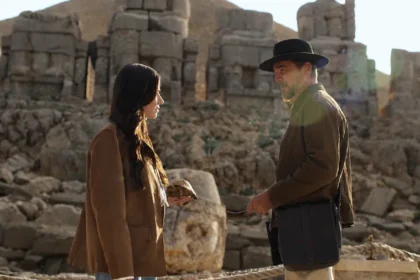
Bodrum is truly one of the characters for me. Actually, when the project was first written, the story did not take place in Bodrum. Later, we all decided together that this was the right place. I had worked in Bodrum before, and I believe the energy of this place adds a lot to the project. Its light, atmosphere, and texture make the story more sincere and watchable.
Among the scenes you shot, is there a sequence where you said, “This is the scene that explains the soul of the series”?
Actually, there are many. Let me not talk about the unreleased episodes, but among those that have aired, the construction site scene with Çağan and Ata, the meat sautéing (kıyma kavurma) fight scene between Şebnem and Hakan, and the moment Deniz jumps into the sea to save Aras are very special to me. Our actors play so beautifully that in many scenes, I experience moments where I say, “I’m so glad I entrusted these characters to them.”
Is setting up and coordinating a set in Bodrum easier than in Istanbul?
Working in Bodrum during the summer months is, of course, more difficult. However, working here between September and April is both more enjoyable and more comfortable. We are just beginning to experience the difficulties of summer in terms of density and logistics.
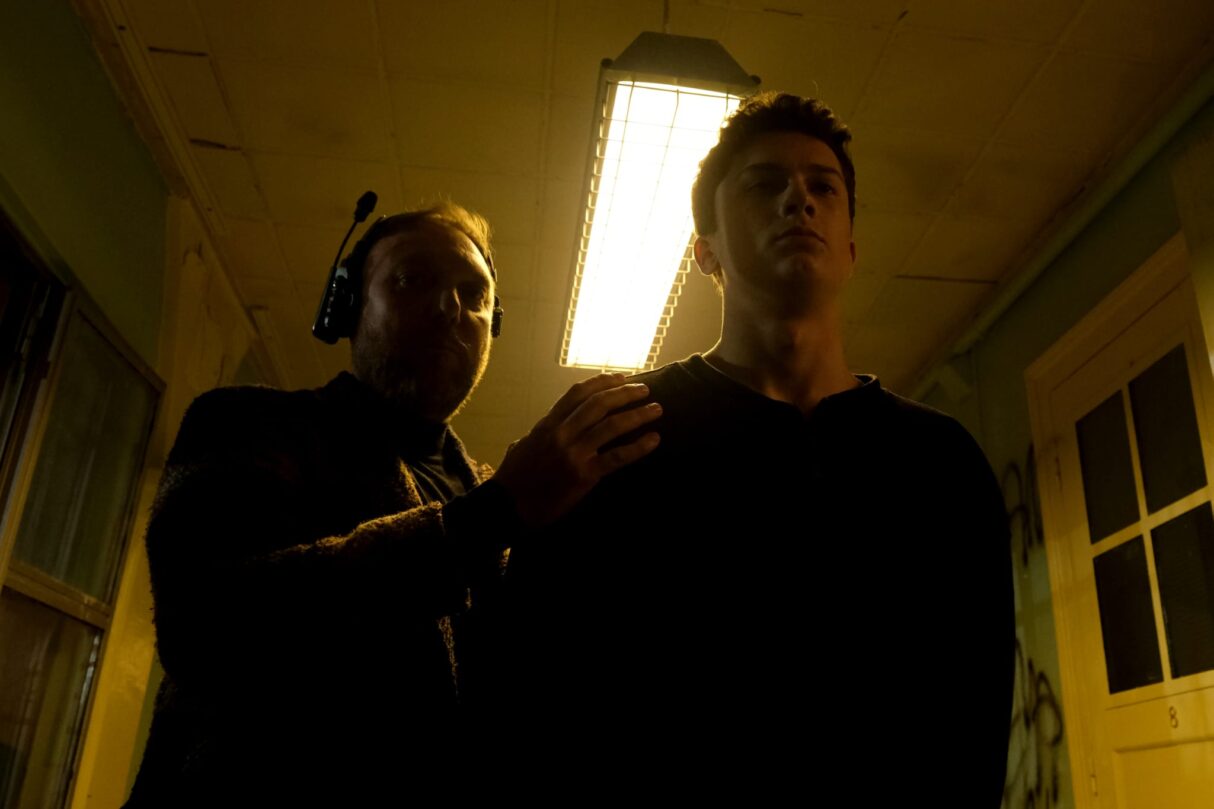
Throughout your career, you have directed works in many different genres. What makes you say “yes” to a project today? Is it the story, the crew, or the timing?
When the right story, the right time, and the right crew come together, the work already finds its reward. The most important part of this is the cast. It is very important that the right people can tell the story you love. Actually, the answer is a whole consisting of the right story, the right time, and the right crew.
How do you think the practice of directing has changed with the rise of digital platforms? What is the biggest difference between producing work for television and producing for platforms?
Actually, the understanding of directing has not changed much; rather, the working pace has changed. Since there is more preparation time in digital projects, you can dedicate more time to aesthetic details. On national channels, a serious marathon begins after a few episodes. Despite this, I do not think television series have fallen behind digital productions recently. Very high-quality productions are coming out.
Recently, both actors and content are consumed very quickly. What do you think makes a director or an actor long-lasting: talent, discipline, or right choices?
I think there is no single answer to this. Talent takes you to a certain place, discipline keeps you there, and correct choices determine your path. When all three come together, longevity becomes possible.
At this point in your career today, what still excites you? Is there a story you haven’t shot yet but say, “I must definitely tell this one day”?
I have shot all the works I’ve done so far with love, and I have internalized the stories I told. I think this has reached the audience as well. There are so many stories I want to tell. It is hard to say which one will come to the fore when the time comes, but I believe I have many more stories to tell.
I think Torn Apart is a high-emotion, high-curiosity production where a very strong story meets very good actors in one of the most beautiful geographies of the country. Working with actors who embrace a project they believe in so much and a very good technical crew is a great fortune for a director. We are currently shooting the seventh episode, and from the very first day, there has been a very strong sense of belonging, friendship, and commitment on set. I hope this energy is lasting and the success of the series grows steadily.