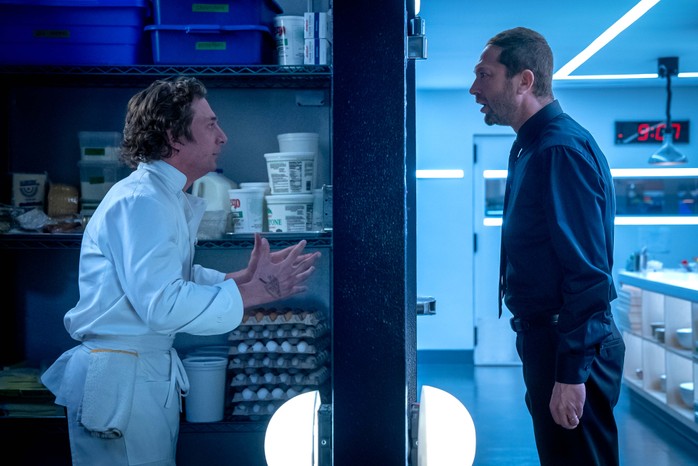





For Episode Magazine’s June 2026 issue, Ayşe Özyılmazel reviews our cover guest The Bear, now on Disney+ with its final season.
Life lesson: Some things cannot be repaired. The more you try to fix them, the more you end up breaking yourself.
And perfectionism is the fastest way to miss life itself.
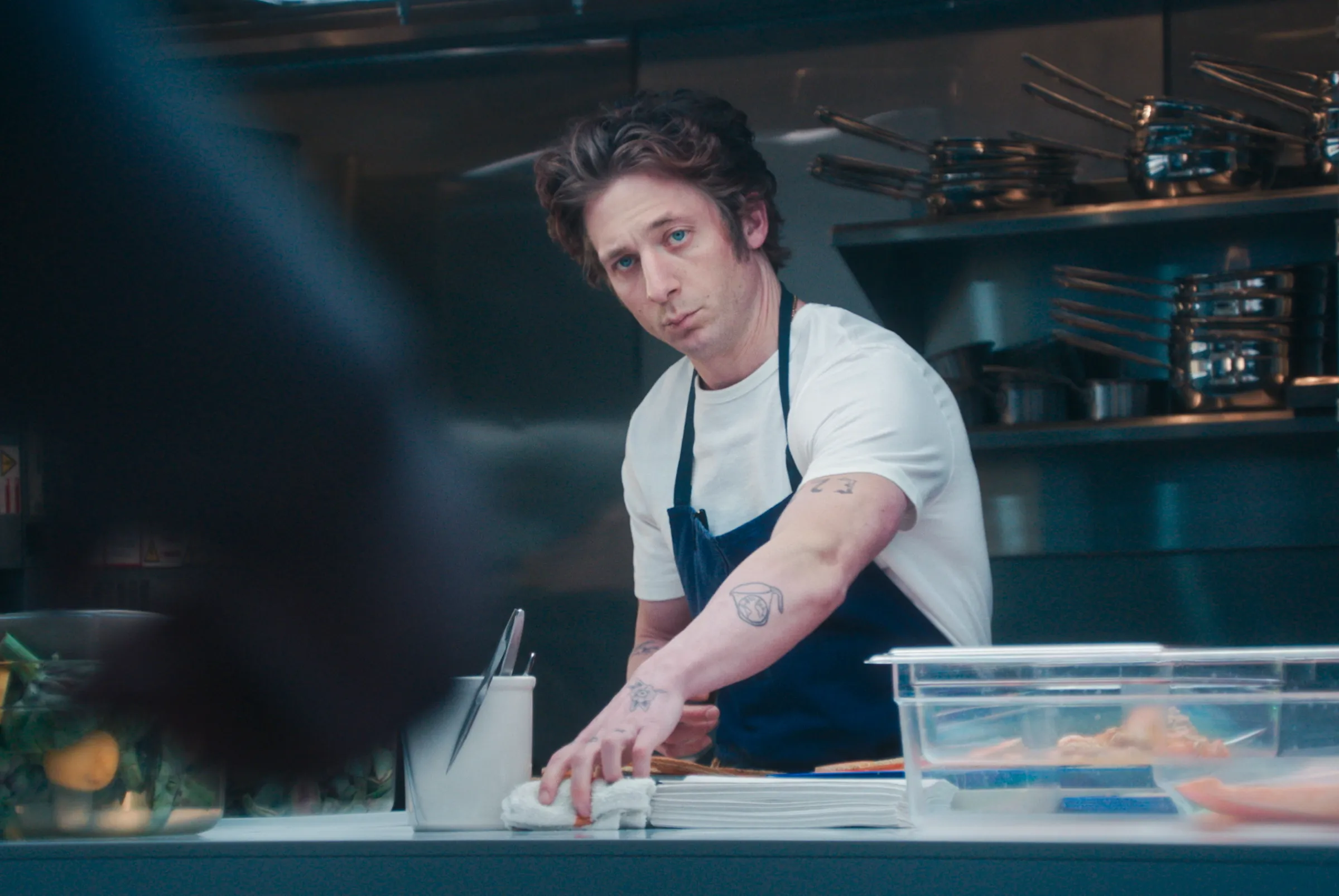
Our cover topic is The Bear. With its chaotic kitchen scenes, close-up shots, gripping storytelling, and Jeremy Allen White instantly rising to the top of “sexiest man” lists, Christopher Storer’s series exploded onto the TV scene in late June 2022. Watching it, one cannot help but wonder: why do successful but traumatized children, while appearing to do amazing things, seem to be slowly destroying themselves?
The Pandora’s box is, of course, childhood. Oh, childhood—and the traumas that never leave us.
If you are reading this article, you already know the story. Carmy has been cooking in the kitchen with his brother Mike since childhood. He is a younger brother who idolizes his older sibling. In their turbulent family life, they find safety in the kitchen. Isn’t the kitchen the most harmless place in a house?
One day, after Mike kicks him out of the restaurant, Carmy loses his sense of belonging. So he decides: fine, I will go through the best training, work in the toughest kitchens, surpass this mediocre family business, and show everyone how valuable I am. A motivation like no other.
What he truly wants is to forget—to escape his deep pain and unmet need for approval. But life, as always, delivers its surprise to the rising chef Carmy. After his brother’s suicide, he is forced to return to Chicago and take over the chaotic restaurant “The Beef,” and The Bear begins—dragging us not into appetite, but from problem to problem, and into countless questions about ourselves
The Bear is not just a kitchen story. It is about broken families, bonds you can never escape, conversations you never had, avoidance, avoidant attachment, teamwork, chaos, addiction, and dreams that slip further away the more you chase them. A true modern human analysis.
Carmy’s perfectionism leads him to believe he can fix the past and control everything. Season after season, his dissatisfaction grows so much that you want to reach into the screen and shake him. He will sacrifice the woman he loves, quit smoking just to avoid taking a five-minute break, then sit alone on the floor, messy and crying. Like a woman who believes that if she keeps her house clean, her marriage will stay intact.
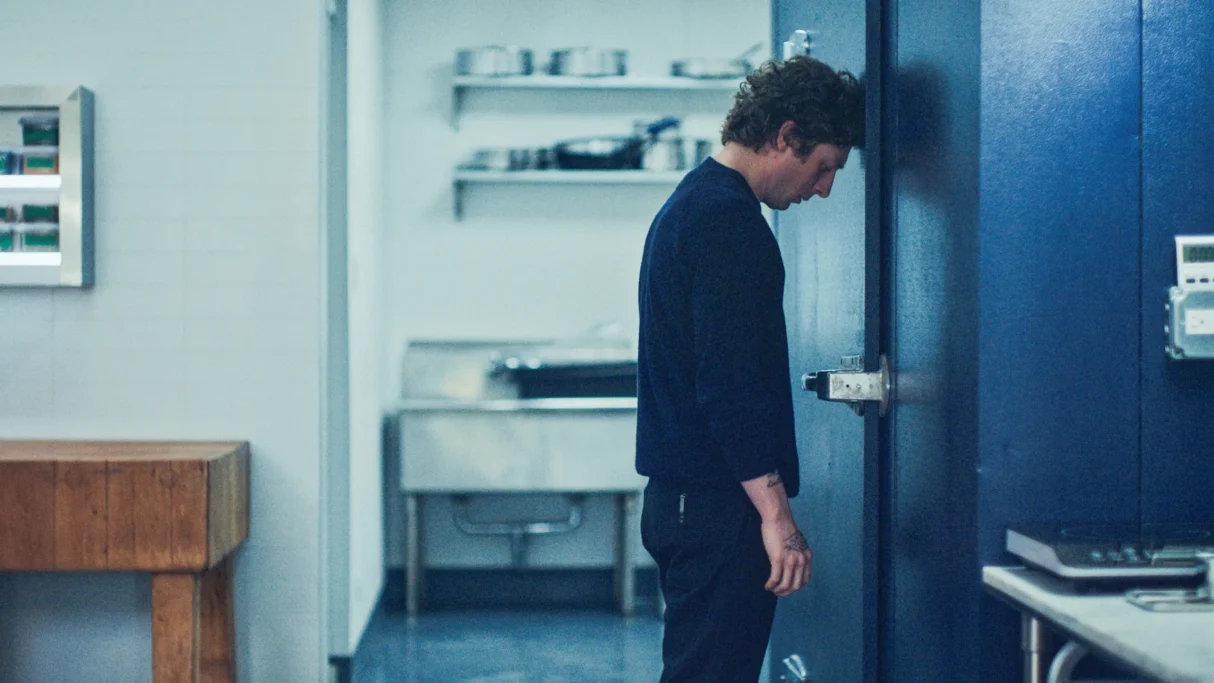
And what happens? You end up locked in the fridge on opening night. While trying not to become your mother or father, you end up becoming their copy while destroying everything in your path.
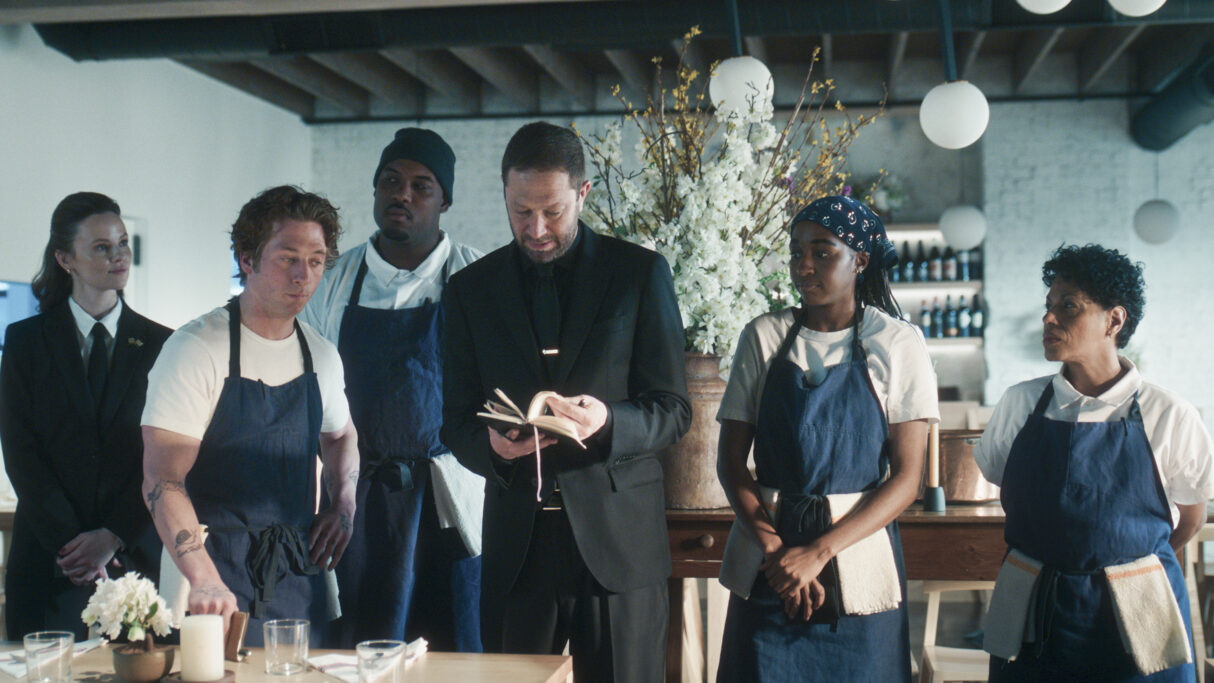
Meanwhile, characters like pastry chef Marcus and self-taught sous chef Tina rise because they do not obsess over perfection and keep their curiosity for learning alive. They grow as both chefs and humans.
And those dishes, prepared with blood, sweat, and tears, hoping for a Michelin star, are defeated by a simple four-ingredient tomato pasta.
In a world where even the Noma empire can fall and psychologically and physically abusive kitchens are no longer glorified, there are still chefs disconnected from life, unsure where to place their hands outside the kitchen. What a loss for food’s healing, unifying, and restorative power!
Because while life changes, one thing does not: perfection is destined to lose. Mike’s family tomato pasta always gathers all the real stars.
With respect for chefs’ artistry, I bow to the flawed but priceless art of living. Let’s see in the final season whether Carmy will find himself.
As they don’t say—but I will now: when life gives you tomatoes, make pasta.
They say… Let It Rip.