



For our NEM Dubrovnik 2026 issue, Eda Akça took a deep dive into Deep in Love‘s story.
The Black Sea has a unique characteristic; no matter how calm it appears, it always hides an approaching storm within. Even as the waves gently strike the shore, one feels the presence of another fury clinging beneath the water. Deep in Love tells exactly such a story. It is a tale of people who have remained silent for years, of buried truths, and of suppressed emotions.
The “sea” mentioned in its Turkish title (The Sea Will Overflow) is not just the Black Sea itself. It represents the anger, grief, love, and longing accumulating inside every character… emotions that remained silent for years to avoid overflowing, but deepened as they stayed quiet.
In this story, everyone buries something in the earth: Adil buries his love, Esme her motherhood, Eleni her identity, Oruç his life, İso his hatred, and Fadime her fears. But some emotions do not vanish as they are buried; instead of rotting in a grave, they grow silently as if they were planted. The pains carried through years of silence, the hidden truths, and the suppressed feelings can no longer stay beneath the earth after a certain point; like the sea, they overflow.
Stolen Lives
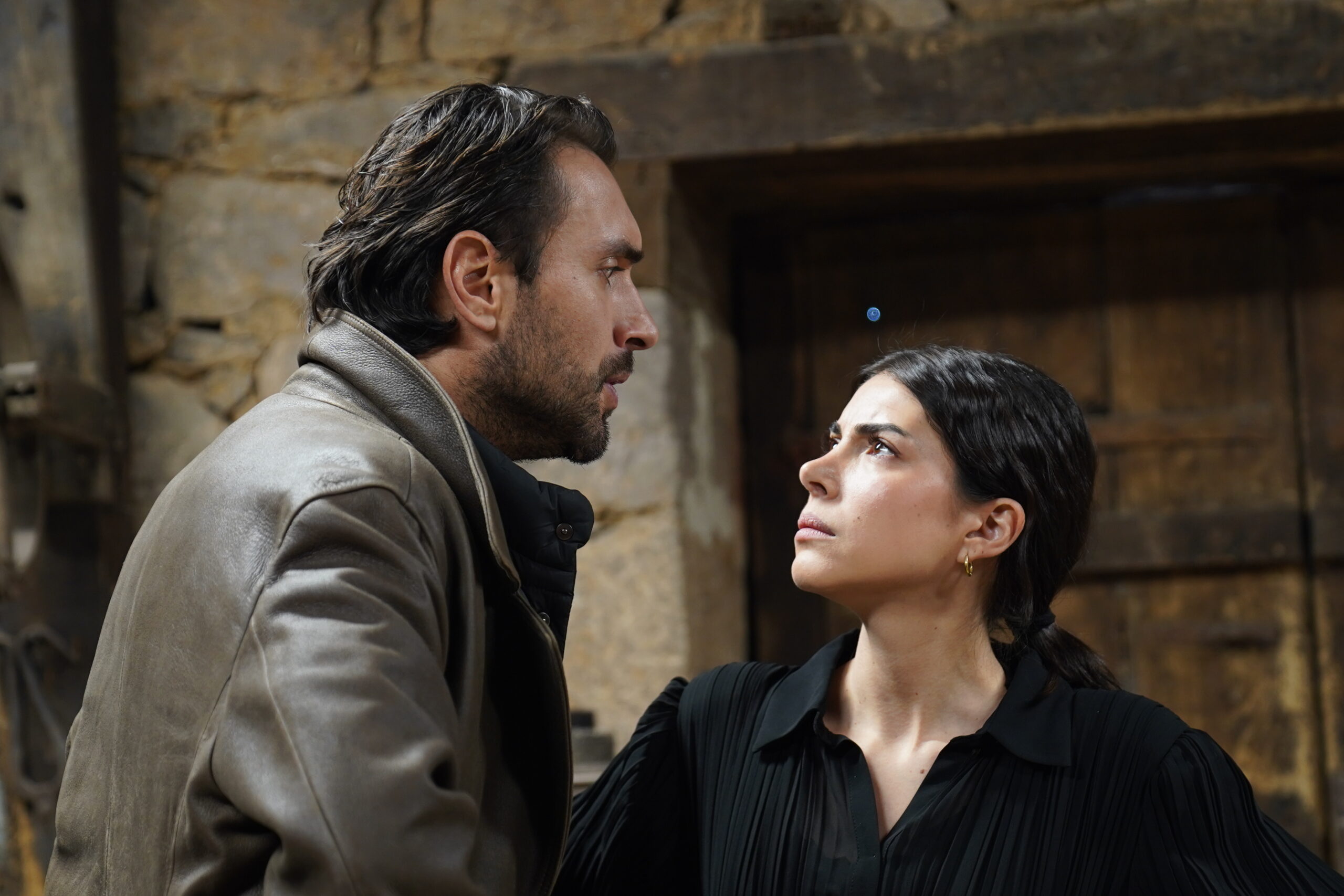
At the heart of Deep in Love, there is more than just an impossible love. The real issue is the lives stolen from one another. The enmity between the Koçaris and the Furtunas grew years ago with spilled blood; deaths gave birth to new deaths, and revenge was passed down from generation to generation. No one truly lives; everyone merely tries to carry the anger left to them as an inheritance.
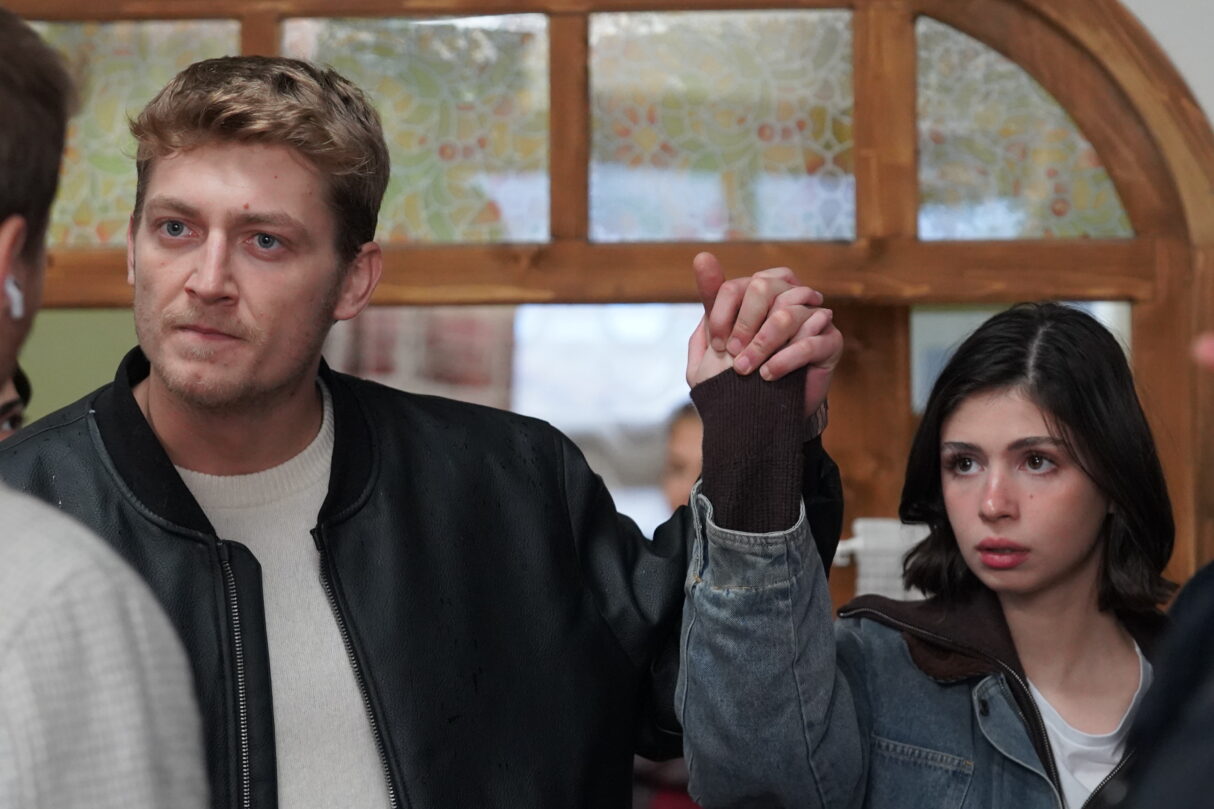
The story of Adil and Esme is like a person paying the price for a sin they never committed. Two people who love each other fall apart within a hatred that does not belong to them. Just as they were starting to build a life together, before they could even experience the existence of their daughter together, they are left within a lifetime stolen from them for years. While Adil believes he has lost the woman he loves, Esme mourns a daughter who is actually alive. Twenty whole years are stolen from them. And for those twenty years, both are trying to survive within a life that was taken from them.
A mother mourning her living daughter, a father left with the pain of a daughter he never knew, a young girl growing up as a stranger to the lands she belongs to… They are actually searching for each other within the same story. While they unknowingly draw closer to one another, their greatest fear is not the events of the past, but the fact that the truth, once revealed, will bring about bloodshed once again.
The Stranger Returning Home
Eleni is not just a lost child; she is someone caught between two worlds, with a shattered sense of belonging. As a Turkish girl raised by a Greek family, she has spent her life searching for a place to belong. She grew up with science, carved her own path with her intellect, and is a young doctor developing artificial intelligence projects; yet, the only thing she cannot solve is her own past. Perhaps the most tragic side of the series is hidden here: a girl who can establish her own algorithms cannot reach her own story.
Her arrival at the Black Sea is not just a physical journey, but an unconscious return to her roots. Moreover, the fact that the first person she encounters is her biological mother gives the story a quality that feels almost like destiny. But the story does not frame this with a classic “fate brought them together” romanticism. Instead, it feels like a person being called by the place they belong. It is as if blood leads a person back, even to a place they have never known.
Perhaps this is why Eleni feels she “belongs” for the first time, even before learning the truths. Esme’s unexplainable closeness to her, the way Adil protects her, the Koçaris embracing her… all of these are actually Eleni’s homecoming without her realizing it. Because sometimes, even if a person does not know the truth, they feel it. They feel they belong to a place they have never known. As if they recognize it.
Carrying the Weight of Truth
Oruç is someone trying to build a life outside of the enmity. He studies, becomes a doctor, and tries to distance himself from this cycle of blood, but eventually, he is pulled back into the same darkness. Because he knows that if Adil learns the truth, he won’t just become a father; he will also demand an account for the life that was taken from him for years. Oruç’s tragedy begins exactly here. On one side is his family, and on the other is the woman he loves. As he gets closer to Eleni, he wants to protect her, but sometimes the way to protect her is to hide the truth and keep her away from himself.
What he tells is not just a lie; it is an effort to delay a truth that could tear everyone’s lives apart. Because Oruç knows that Eleni is not just a lost child. She is the truth standing right in the center of years of accumulated anger. And this is exactly what everyone in this story fears: not the revelation of the truth, but the blood that the truth will give birth to. This is why Deep in Love constantly asks the same question: Is the weight of truths more painful, or is it the act of hiding them?
Something Stronger Than Hate
The story of İso and Fadime represents the most hopeful side of the series. Their relationship shows that humans are not born with hate; they grow by learning hate. The fact that İso, who once kidnapped Fadime to threaten Adil, eventually falls in love with her is not just a romantic transformation. It is the story of him being caught between the order he was raised in and his own heart. İso choosing to protect Fadime instead of killing her is significant for this reason.
Because for years, what was taught to them in these lands was killing rather than loving, revenge rather than forgiveness, and the continuation of blood. His feelings for Fadime, for the first time, show him that another possibility might exist. As he gets closer to Fadime, he begins to see the void within the hatred he was taught.
A similar breaking point occurs on Fadime’s side. While the mere fact that the enemy touched her hair was enough for her to cut it off, her starting to fall in love with İso does not just mean a romance; it means she can step outside the fears, boundaries, and enmities taught to her for years. Thus, their story shows that loving is still possible within a world fueled by enmity. While the elders nurture hatred for years, the youth are trying to stop it for the first time.
Before the Overflow
The Black Sea is not just a cinematographic setting here; it is the soul of the characters. Wild, deep, silent, but ready to overflow at any moment… Adil’s anger that he has nurtured for years is like this, as is Esme’s suppressed motherhood and Eleni’s search for the place she belongs. It is as if another emotion flows beneath everything that appears calm from the outside. Therefore, in the series, the sea is not just a landscape; it becomes the silence itself, the accumulated pain, and the emotions that will inevitably overflow.
In Deep in Love, everyone is a bit wounded, a bit incomplete, a bit guilty… because they have lived within the same pain for years. Everyone in the series is actually drowning in the same sea. And now, the sea is beginning to overflow. Because no matter how deep some truths are buried, they eventually come to the surface one day.
But perhaps, with the overflowing sea, someone can break this cycle for the first time. Perhaps what keeps a person alive is never giving up on loving one another, even in the midst of all that darkness.