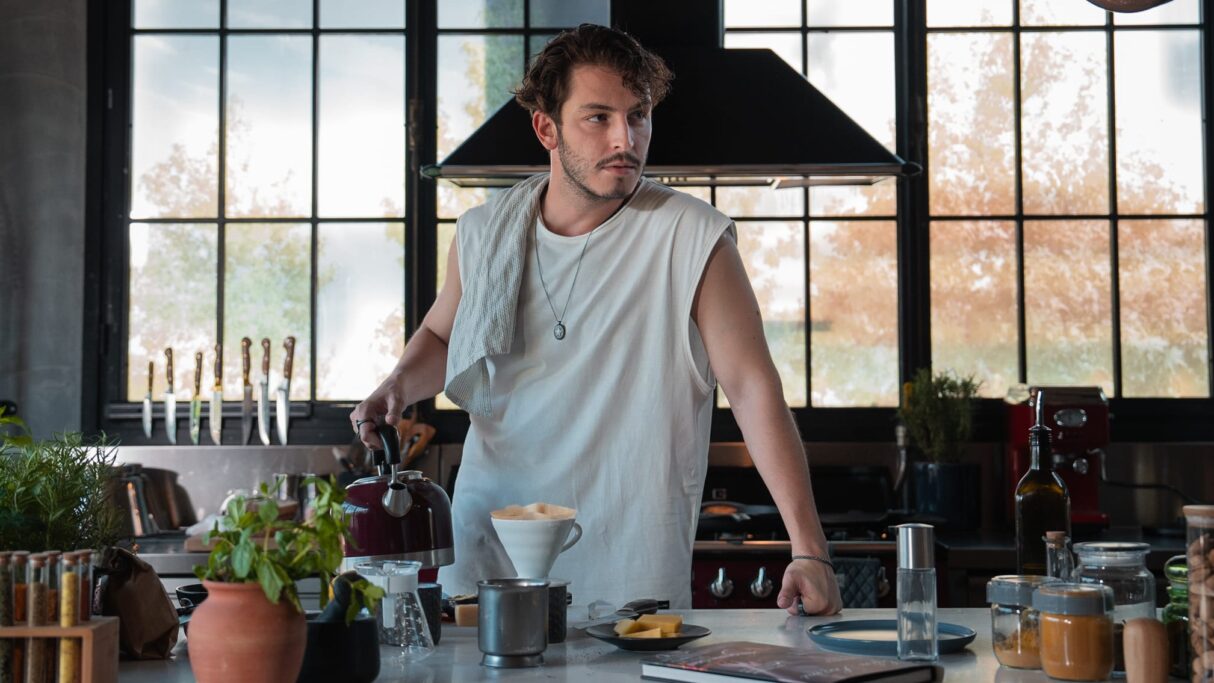




In the June issue of Episode Magazine, Cengizhan Özcan examines the significance of houses in Turkish TV series through the lens of Thank You, Next.
When we watch a series, we mostly remember the actors. Some lines stick in our minds, and certain scenes are talked about even years later. However, there is something else we often fail to notice: the houses.
A character’s living space frequently provides more information than the sentences they utter. The positioning of a couch, a coffee mug standing in the kitchen, a blank space on the wall, or a bookshelf that hasn’t changed for years… None of these are coincidences.
For many years, Turkish TV series used houses as areas of exhibition. Large living rooms, grand staircases, flawless dinner tables, and rooms that felt as though they had almost never been lived in were indispensable elements of the screen. In recent years, however, a different approach has emerged. Houses are no longer just decor; they have transformed into a silent language that tells the story of the characters’ pasts, fears, loneliness, and perspectives on life.
The Netflix production Thank You, Next can be read as one of the most striking examples of this transformation. To understand Leyla, Defne, and the other characters at the center of the series, it is sometimes enough to look at the spaces they inhabit. Because some stories are hidden not in words, but inside spaces.
The Duty of a House Is Not to Shelter, But to Tell
In architectural history, a structure is not evaluated solely by its function; the kind of emotion the structure produces is also important. The same applies to series houses. A well-designed series house must provide information about the character. The audience should be able to enter that person’s world from the very first scene.
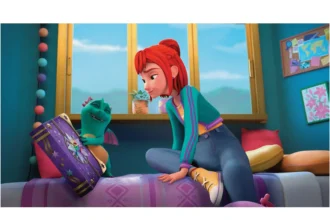
For example, old objects become more visible in the house of a character who cannot break their bond with the past. In the living space of a character who lives in constant motion, a sense of transience is dominant. Some houses are settled, while others look as if the suitcases were never closed.
That is why, in successful productions, houses are not just areas where filming takes place. They are the visible form of the character file. An actor prepares for their role by reading the script. The audience, on the other hand, usually gets to know that character for the first time by looking at their house.
Thank You, Next and the Modern Urban Inhabitant
Although Thank You, Next appears to be a story built on relationships, in the background, it describes the lifestyle of the modern urban human. The characters in the series do not just struggle with romances; they look for a place to belong.
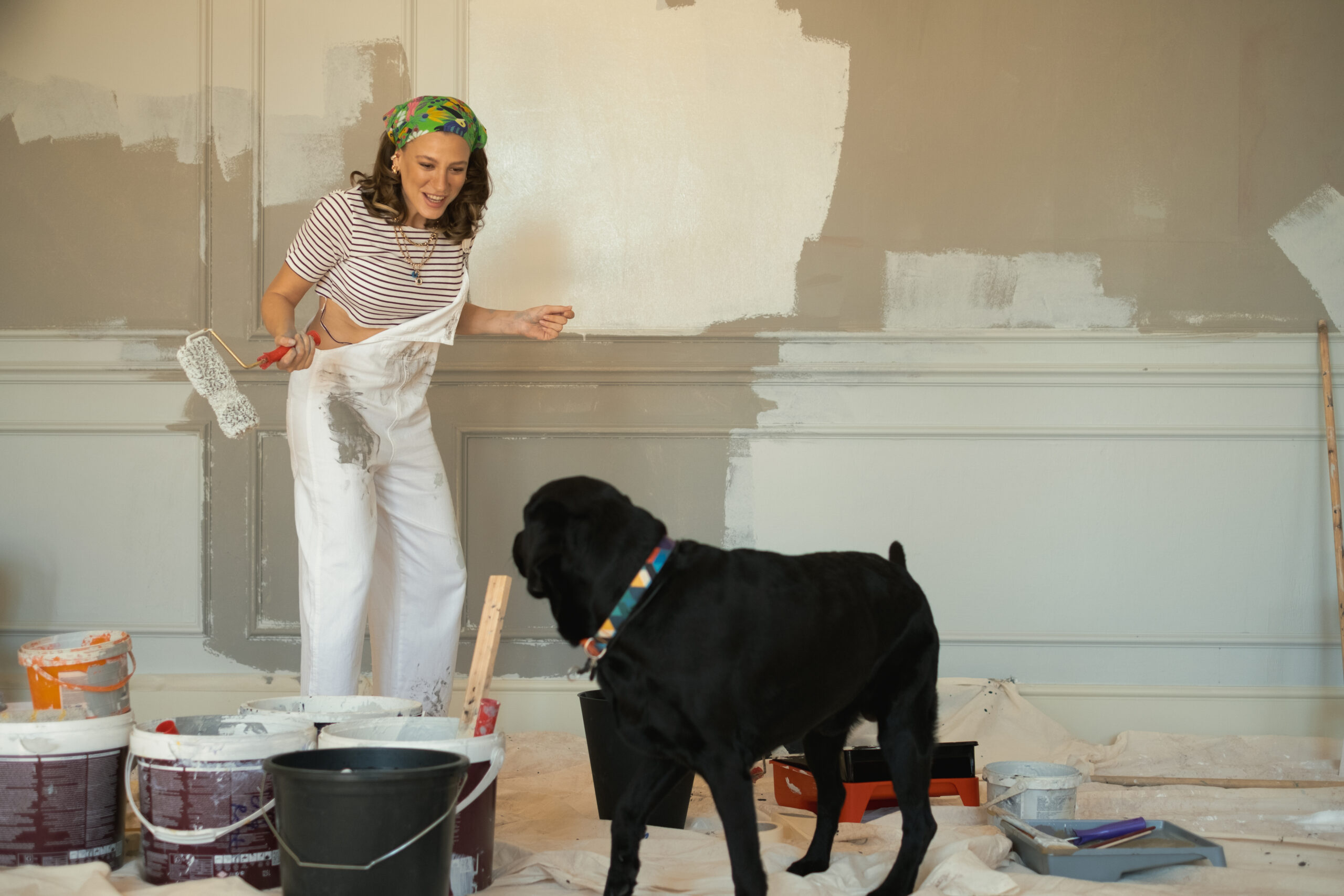
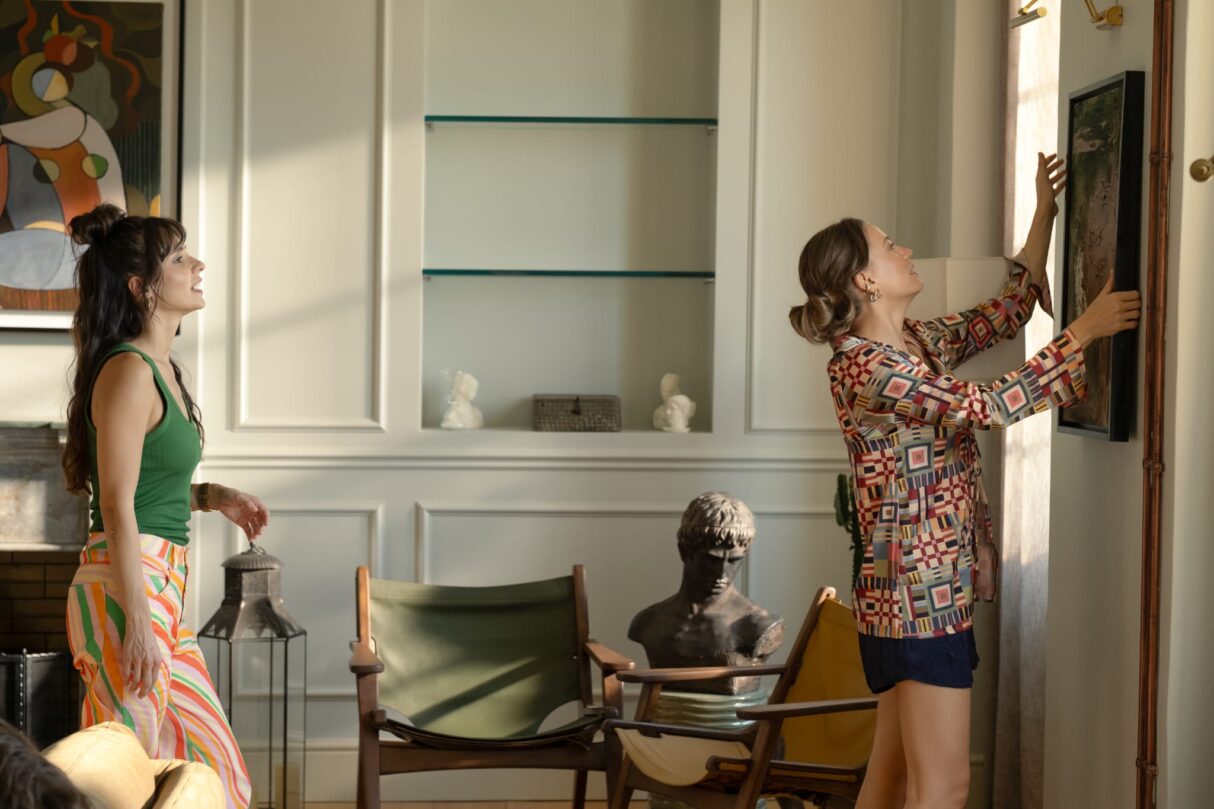
When we look at the character of Leyla, portrayed by Serenay Sarıkaya, it is possible to see this clearly. The spaces Leyla inhabits are not designed to look flawless. A life continues there. The pace of work, evenings spent alone, corners reserved for thinking, and the moments when a person is left alone with themselves at the end of the day are deeply felt.
This situation is one of the important features of digital platform productions in recent years. The camera no longer just follows the character; it makes the environment where the character breathes a part of the story as well. Before understanding what Leyla is thinking, the audience sometimes sees what the environment she is in makes her feel. This makes the narrative more layered.
Serenay Sarıkaya’s Character and the Language of Emptiness
In the television world, crowded and showy houses were used as a status symbol for many years. Today, however, a different approach draws attention.
In the world Leyla lives in, what matters is not the quantity of the furniture, but the impact it leaves. Some rooms are excessively tidy. Others give a sense of being deliberately left incomplete. This incompleteness actually corresponds to the unfulfilled emotions in the character’s inner world. Serenay Sarıkaya’s performance also progresses in harmony with these spaces.
The character usually does not explain things out loud. Instead, she is read together with her surrounding environment. A few seconds spent in front of a window can say more than a long monologue. The power of spatial usage in modern series emerges exactly here. The house is no longer a frame carrying the character; it becomes a piece of the character.
Gülcan Arslan’s Defne Character and Spatial Identity
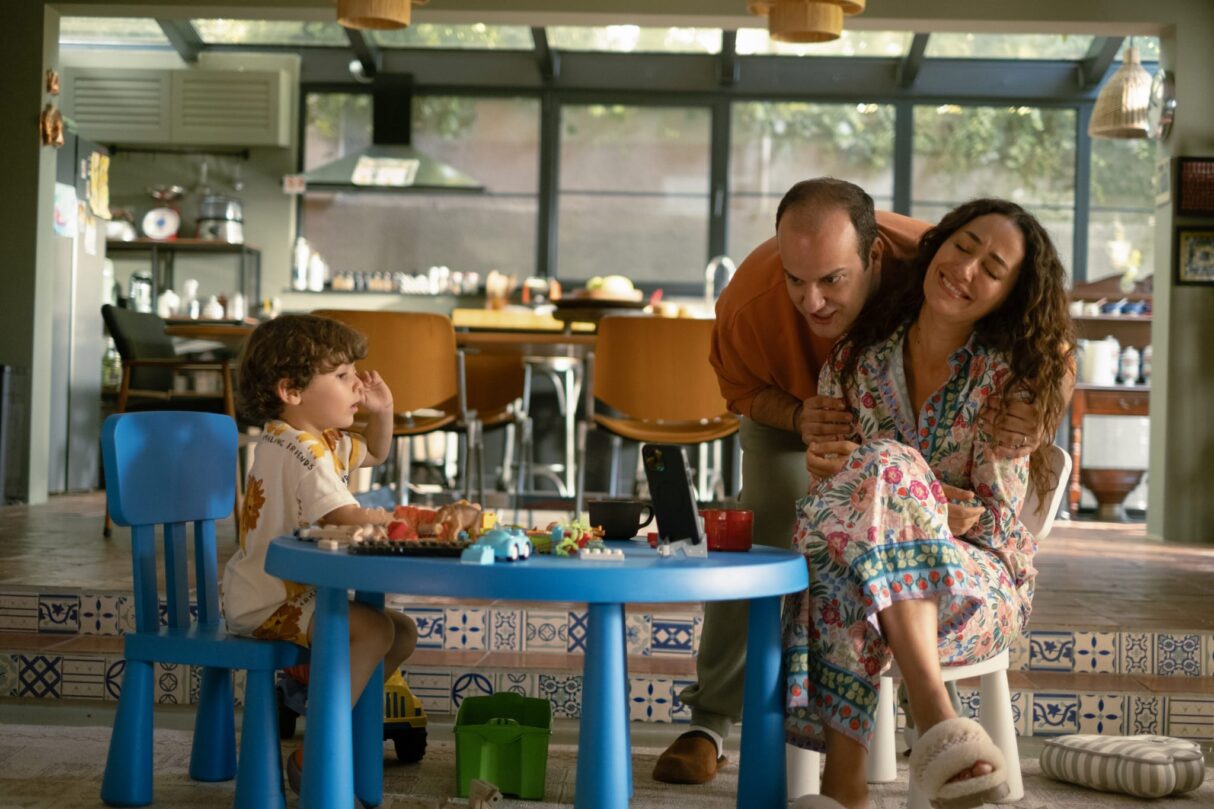
One of the remarkable characters of the series is Defne, brought to life by Gülcan Arslan. Defne’s presence is felt not only through her function in the story, but also through the lifestyle she carries. The differences between the spaces where the characters are located make the differences in their worldviews visible.
The success of a good production design also reveals itself here. The audience usually does not notice this, but each character possesses a different spatial language.
Some prefer open spaces.
Some exist in more sheltered areas.
Some live within a life that is constantly moving.
This distinction is also felt when looking through the character of Defne. There is a distinct harmony between the character’s lifestyle and the environment she is in. This harmony allows the audience to believe in the character. Because just like in real life, people in series resemble the places they live in.
Why Do We Remember Certain Series Even Years Later?
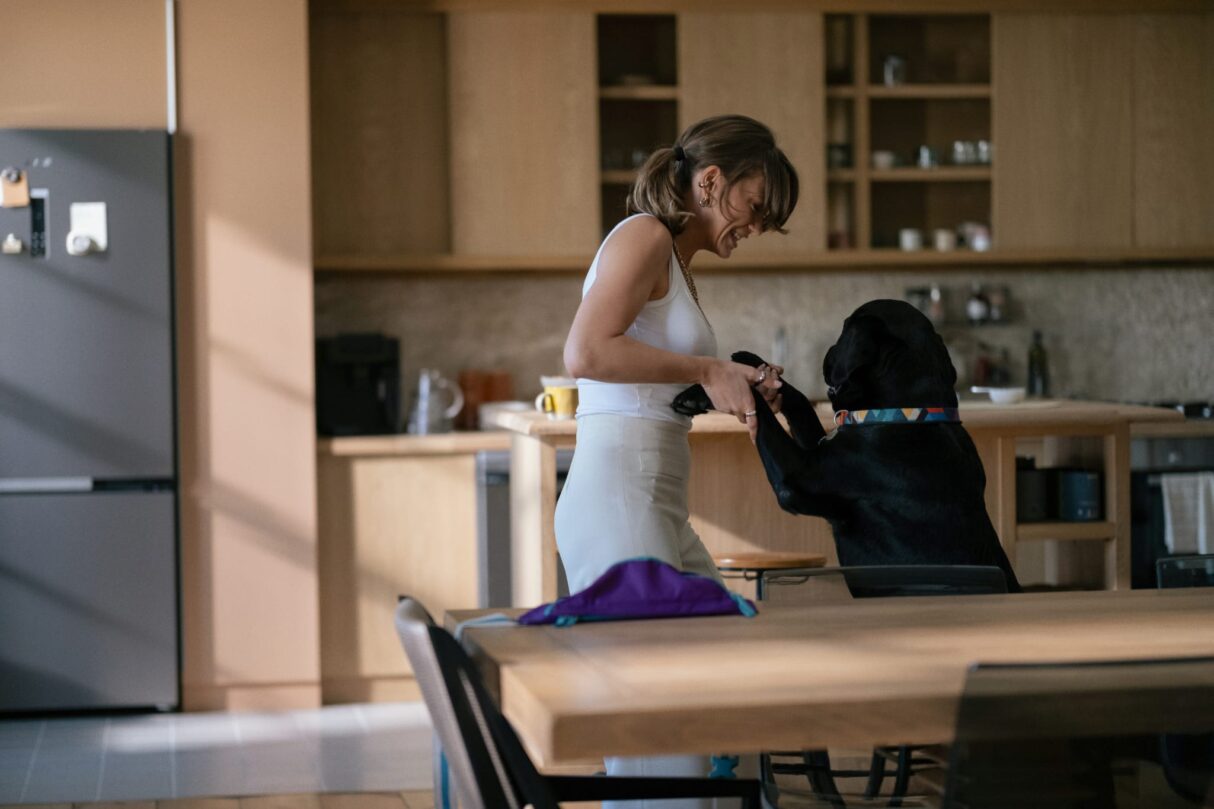
When a series ends, what remains in our memory? Most of the time, we do not remember the entire plot. We forget what happened in which episode. However, certain images continue to live in our minds.
A balcony.
A kitchen table.
A lamp left open at midnight.
The daylight entering through the window.
The reason for this is that memory works with atmosphere rather than events. The human mind erases details but preserves emotions. Therefore, unforgettable series do not just have strong scripts; they also produce strong spatial memories.
Today, when many viewers think of a specific series, they first remember the places where the characters lived. Because those spaces transform into an inseparable part of the story over time.
Perhaps that is why a good house design is not just an aesthetic choice. It is one of the invisible actors of the story.
The reason why houses are so important in Turkish TV series is actually quite simple. People leave traces in the places they live. Those traces make the characters visible. A script can tell us what the character says. The actor can show what they feel. However, a house tells who the character is.
The remarkable side of productions like Thank You, Next emerges exactly here. We do not get to know Leyla, Defne, or the other characters solely through their behaviors. We also get to know the world that surrounds them. Because good stories do not consist only of people. They also consist of the places people try to belong to. And sometimes, the most accurate information about a character is given not by the couch they sit on, but by the very first window they look at when they enter the house.