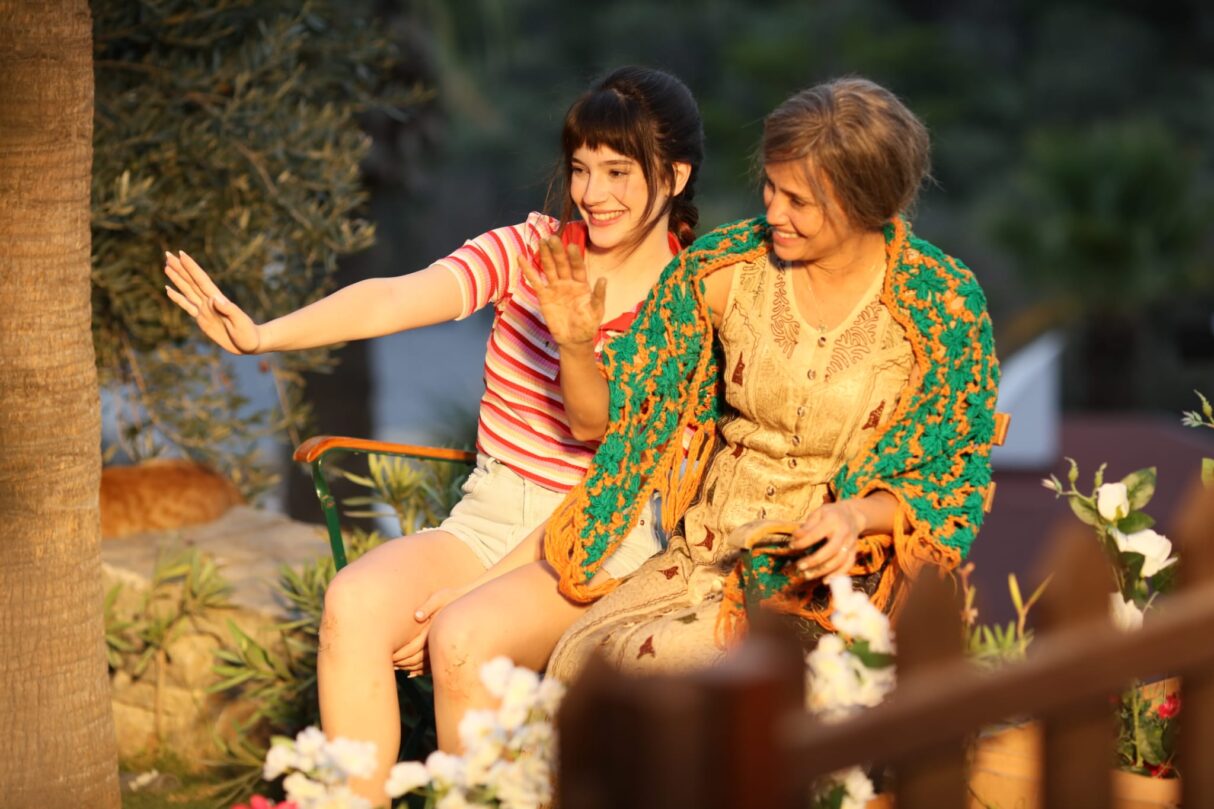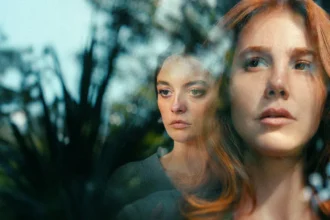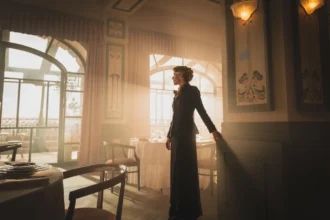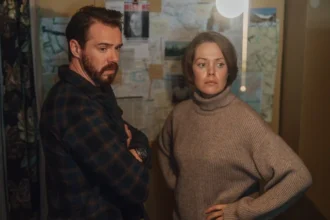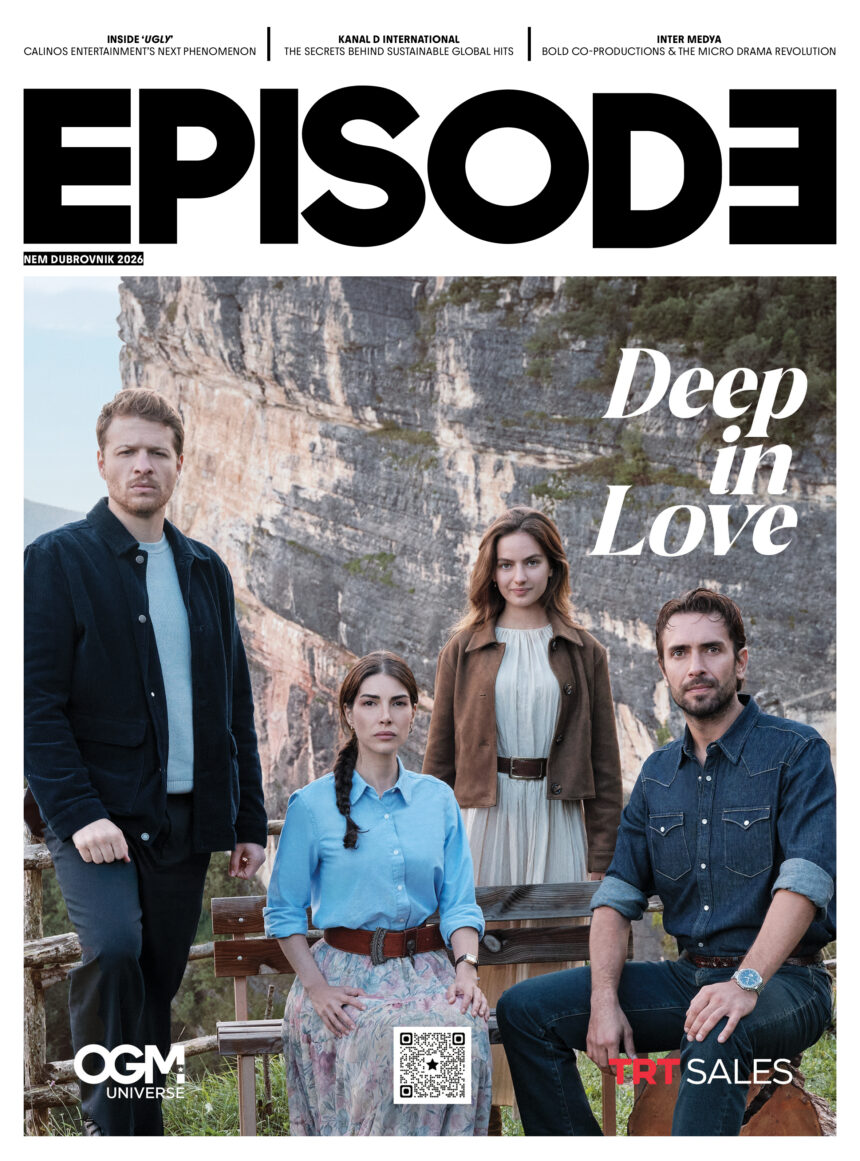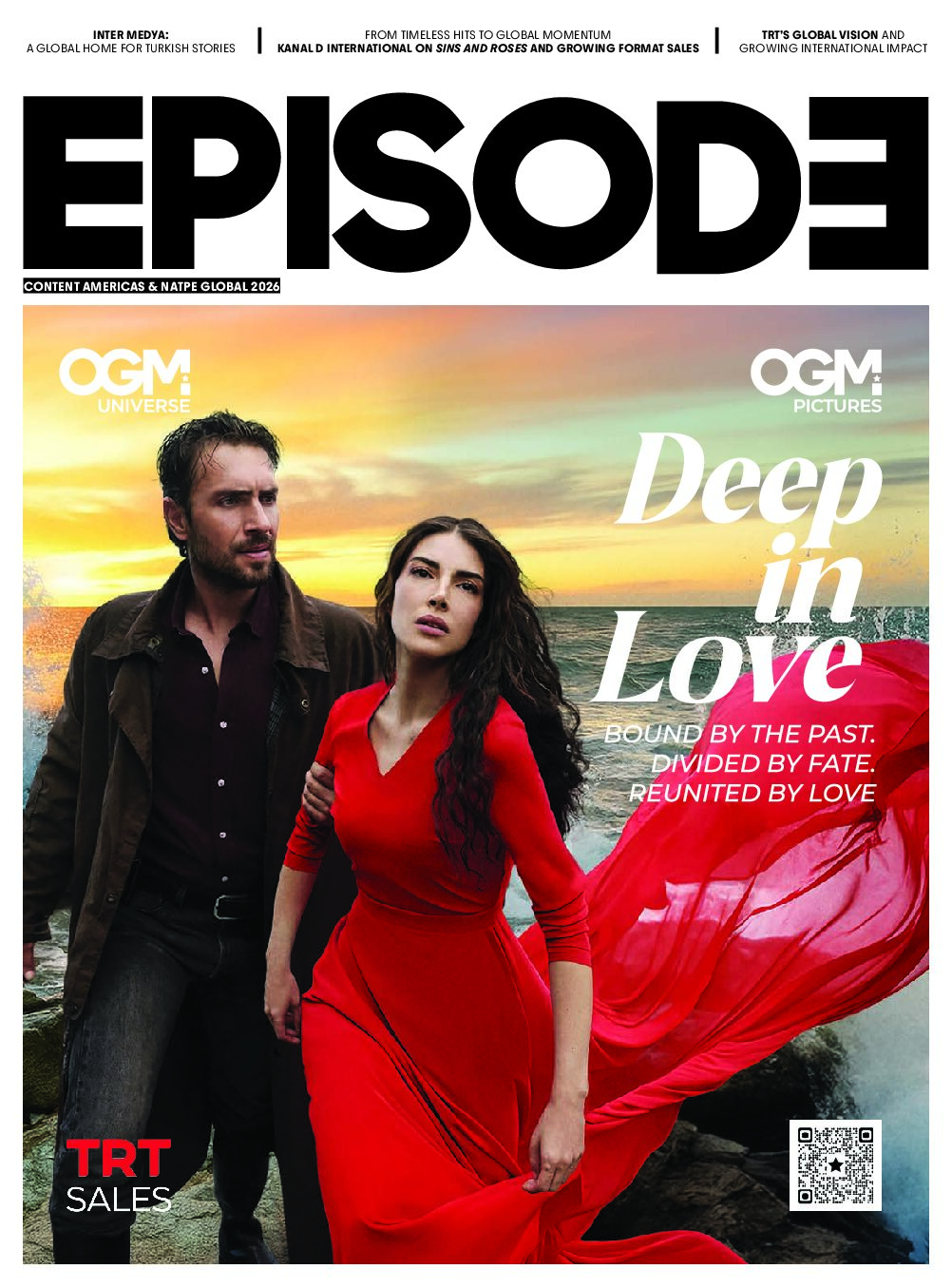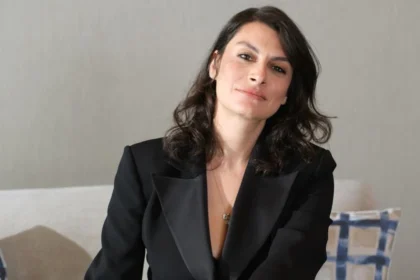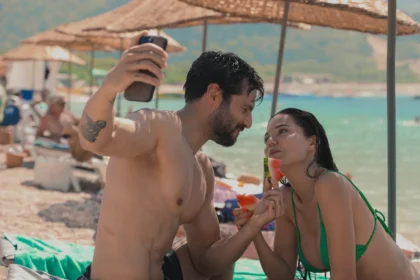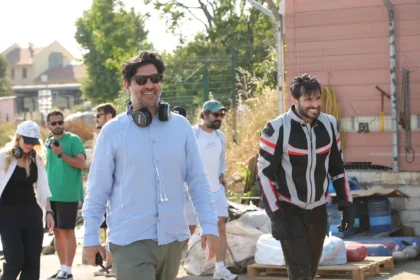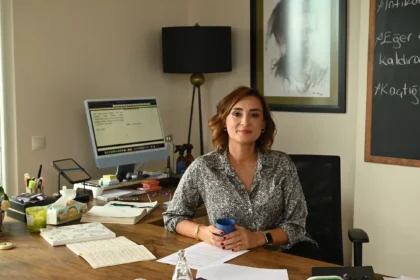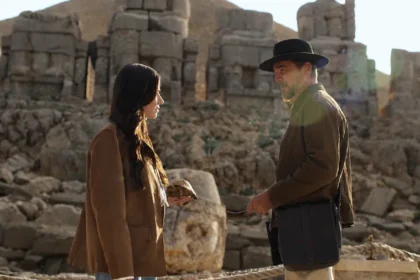



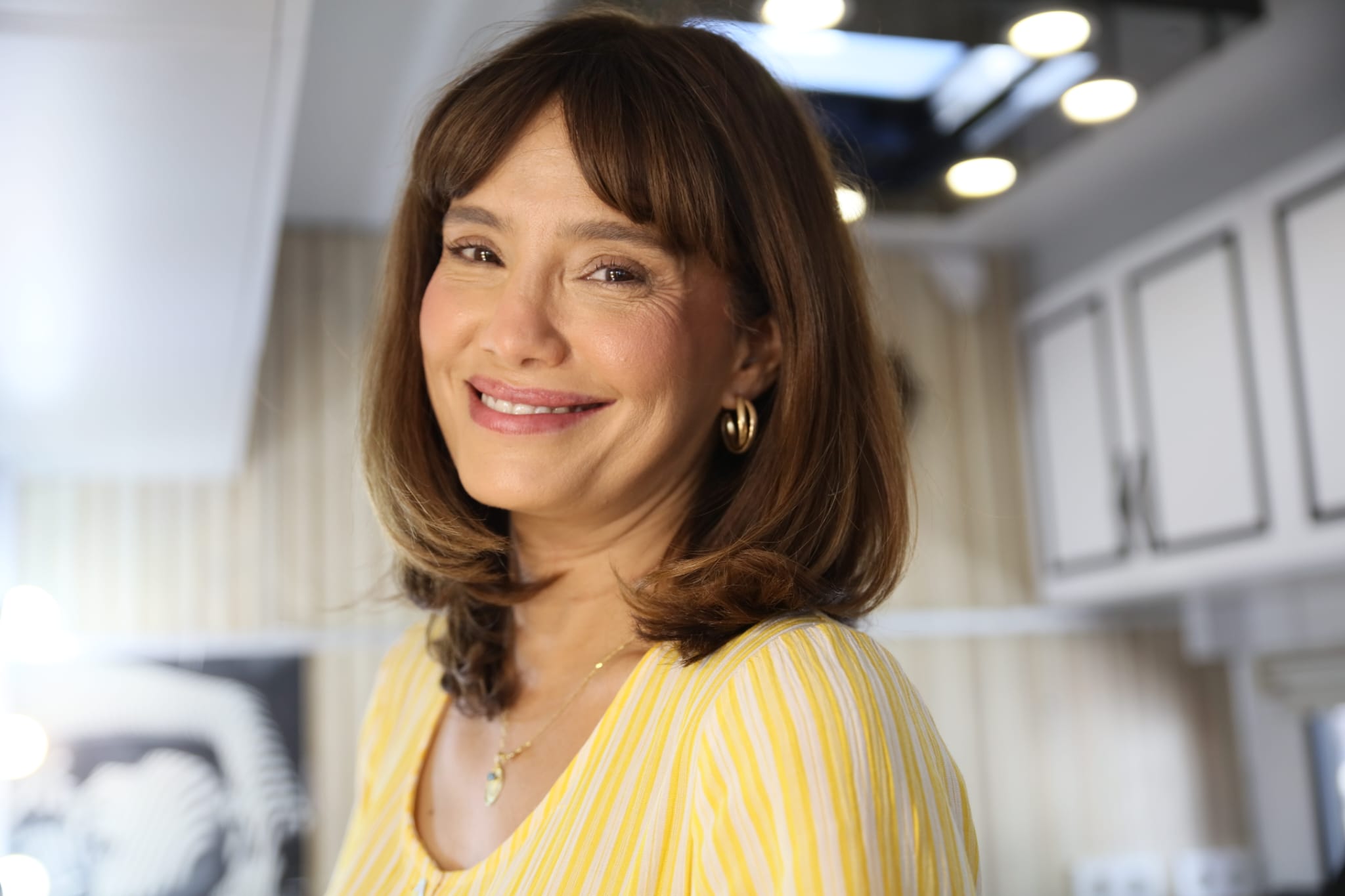
In the June issue of Episode Magazine, Burcu Asena Şahin Gençoğlu spoke with Nehir Erdoğan, one of the lead actors of Prime Video’s new production Summer House, which takes us back to the 90s.
You have been very active on screens and sets again recently, and it’s wonderful to watch you in such deep projects. When the Summer House script first arrived, what was that first feeling that impressed you the most and made you say, “I must absolutely play this grandmother”?
I was going through a period where I became quite alienated from some sentences I have heard frequently lately. One of them is this famous expression: “Years haven’t been merciful to you either, Nazlimou…”
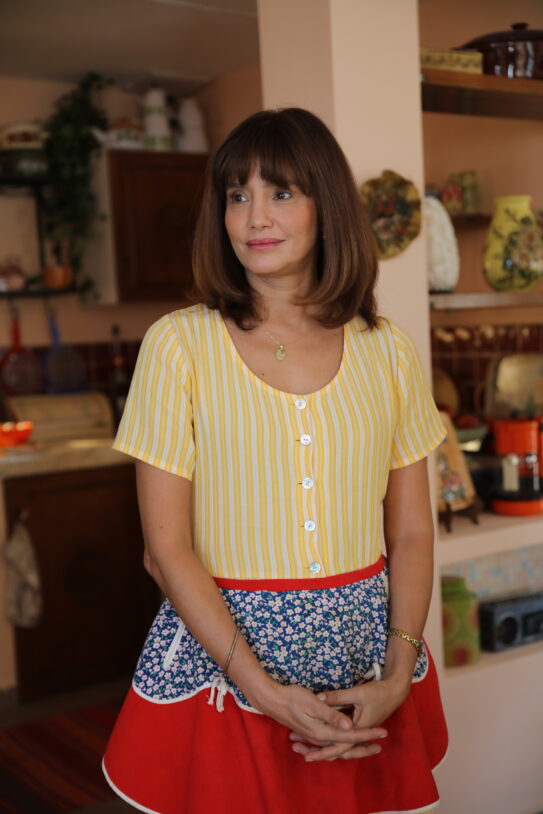
Of course, it’s usually not said to my face; I encounter it as a comment on social media. Every time I read it, I think to myself: Who is “years”? Why do they need to be merciful to me? What would happen if they were merciful? Do years have an action like being merciful or unmerciful? Moreover, have they been unmerciful only to me?
While having fun with these questions, I was also surprised by how people view the matter of aging. Summer House came right on top of this state of alienation of mine. Even though we are in a story where we pass through a time tunnel and extend to the 90s, the idea of being a “grandmother” set all these thoughts on a foundation. Because yes, years exist. We flow along with them in life. For an actor, aging does not mean diminishing; on the contrary, it means enriching.
Then there was the creative side of the job. I got excited about getting to know very talented young actors whom I watch and admire, like Mina, Derya Pınar, and Onur Seyit. Our director Erdem Tepegöz, on the other hand, was a director I have been following especially since his film Gölgeler İçinde and definitely wanted to work with one day. When I read the script, I didn’t think for too long. I wanted to be in both this story and this team. In short, I said “yes” with great pleasure to the idea of teleporting to the 90s with them.
Your character is the starting point of the film’s entire intergenerational trauma. How did you conduct a character analysis while turning this mother, who forces her daughter into law school and rejects the conservatory, from being a pure “bad” or “oppressive figure” into a woman who has protective justifications within her own period?
When playing characters, I try never to judge them. Because no human being is bad in their own story. Sevinç of Summer House also thinks within the conditions of the period she lived in. She is afraid of the insecurity of being an artist, she doesn’t want her daughter to struggle economically. When we look at it from today’s perspective, it may seem wrong, but in her world, this is actually a language of love. The problem is that sometimes the desire to control can get mixed up with love. So I tried to understand the character from that fragile place.
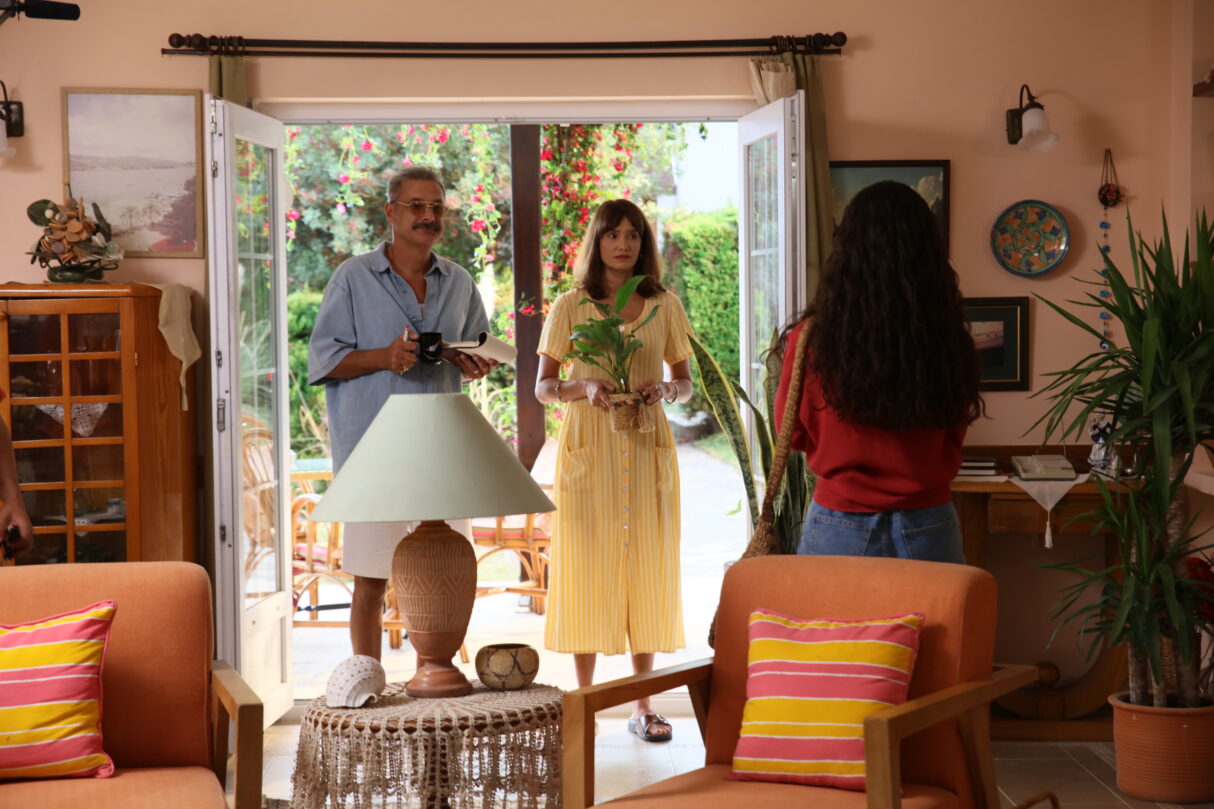
In that accident scene where your daughter’s arm is broken, your direct blame of her instead of showing compassion creates a great emotional breakdown for the audience. As an actor, did playing that authoritarian and punitive anger that precedes mercy challenge you emotionally?
Yes, it did. Because instinctually, we think at that moment what suits a mother is to wrap her arms around her child. But sometimes when people are afraid, they show it not with love, but with anger. While playing that scene, I thought that the character was not angry at her daughter, but was actually reacting to the fear she experienced. Fear can sometimes come out not as compassion, but as a need for control. Therefore, that scene was a scene of helplessness for me, rather than anger.
In your opinion, is it heavier to realize that one cannot radically change great tragedies by going to the past, or is it to be unable to prevent the approaching storm while living that moment in person? If your character could foresee her daughter’s future unhappiness and that brokenness, how would she reshape this authoritarian protectiveness?
I think the heaviest part is seeing the approaching storm and still being unable to stop it. Because then a person experiences not only pain but also helplessness. If it were possible for my character to see the future, she would probably learn to stand by her daughter instead of trying to change her choice of profession. Because the film actually tells us this: We cannot manage people’s lives on their behalf. At most, we can walk beside them.
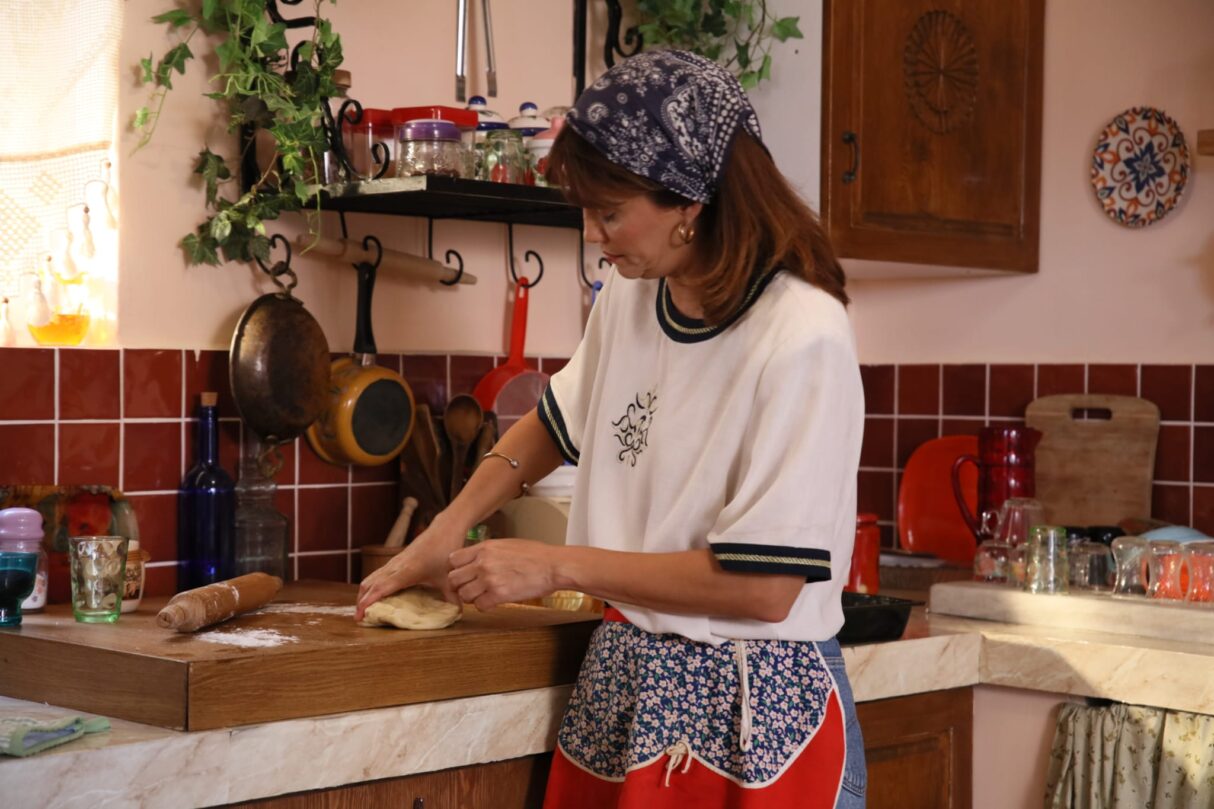
The film actually shows us how traumas are inherited from mother to daughter. We see your character’s past dreams, even if just for a moment. How do you interpret this tragic legacy of your own character?
Actually, the biggest tragedy of the character Sevinç is that she was once a woman who also had dreams herself. Probably there are things she had to give up in her own life. Sometimes people can try to compensate for the disappointments they experienced by controlling their children’s lives. This was one of the things that affected me in the film. Traumas can be transmitted from generation to generation not only with pains but also with unfulfilled dreams.
If you had that mysterious stone that opens a door to the past as in the film, would you want to go to your own mother’s/father’s youth, a period when they were not parents yet and were building dreams? At what age and doing what would you like to watch them?
Actually, I had the chance to read the poems they wrote to each other, the diaries, and memory books they kept before my older brother and I came into the world. Therefore, I know them not only as my mother and father, but also as two young people with dreams, hopes, fears, and passions.
Maybe if I had that stone, rather than going to watch them at a specific age, I would want to exist within the times they continued to write to each other. In fact, I sometimes think I wish they had continued to write those letters even after we were born. Because when a person looks back years later, they want to see not only the parental identity of their mother and father but also their journey as an individual.
I think a parent can accompany their children better as long as they do not completely abandon their own dreams. The space opened up for their children by people who maintain their connection with their own feelings, curiosities, production, and joy of life is different.
I feel lucky in this regard. I lost my father at a young age; I don’t know how our relationship would have evolved if we could have walked a longer path together. But my mother, despite all her fears, anxieties, and that magnificent classic motherhood, became a woman who did not give up on her own emotions and dreams. On one hand, she always gave us full support, and on the other hand, she continued to live her own life. Therefore, we had the chance to know not only our mother but also an individual with all her contradictions, emotions, dreams, and story. I think this is a great chance.