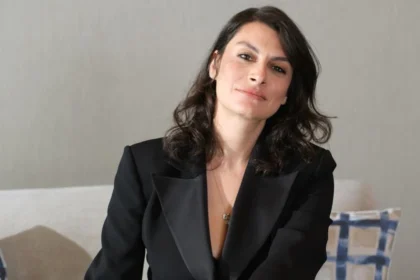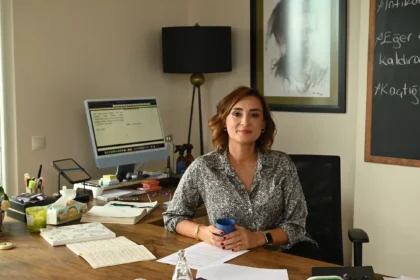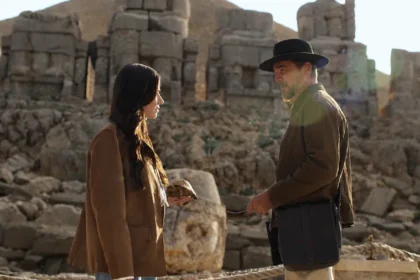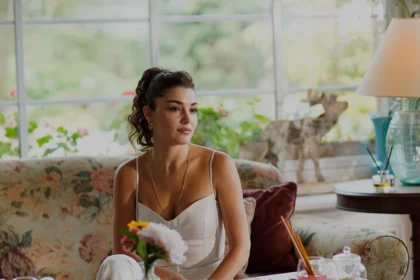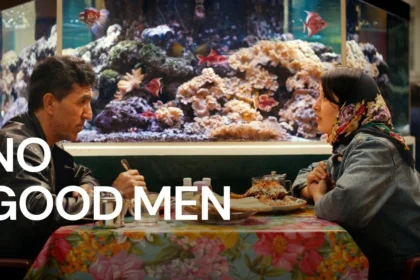





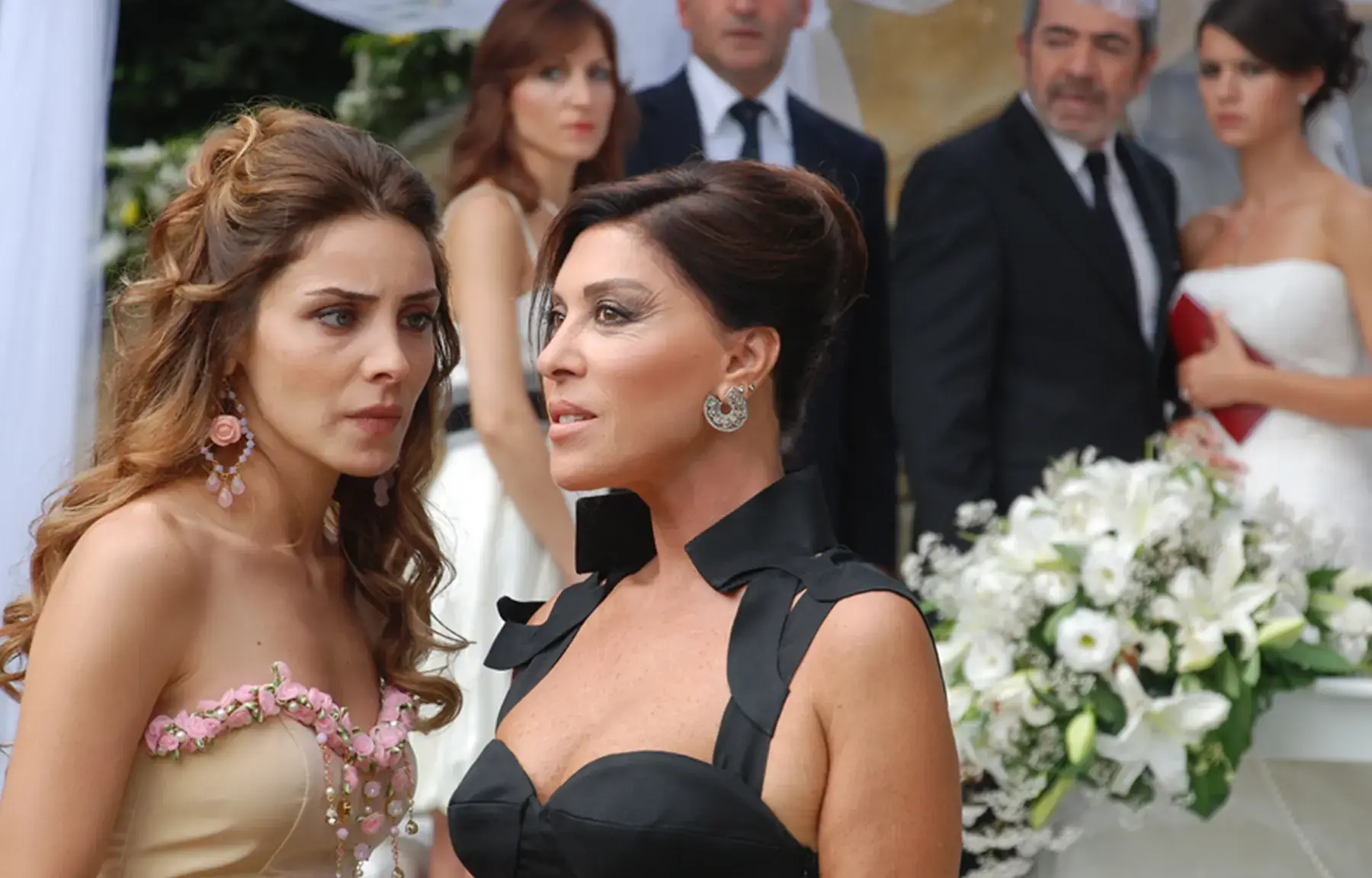
Sevtap Tuzcu analyzes the toxic families in Turkish TV.
How a pop song became a diagnosis and why our love stories keep sounding like our childhood homes.
Once upon a time, “toxic” was a fantasy. In 2003, Britney Spears turned it into a glossy, dangerous seduction in her song ‘Toxic’. Poison, but desirable. Today, the word is no longer aesthetic—it’s diagnostic.
Your ex is toxic. Your friend is toxic. Your workplace is toxic. Your family? Definitely toxic.
The word is efficient. Almost too efficient. It compresses entire relational histories into a single, shareable label—and lets us step out of complexity.
So what does ‘toxic’ actually mean?
Not everything that hurts is toxic. Not every conflict is abuse. Toxicity is less about isolated moments and more about repeating patterns: boundary violations, emotional inconsistency, manipulation masked as care, control disguised as protection, and affection tangled with punishment.
Toxicity is not an event. It is a system.
Before we ever date or choose, we rehearse relationships at home. Family is where we learn the architecture of intimacy: how love feels, how conflict works, and whether closeness is safe.
We don’t choose what’s healthy—we choose what’s familiar.
Turkish TV reflects this powerfully. Family is not background; it is the engine of drama. Love stories are produced by it.
The most toxic families on Turkish TV share common dynamics: control, silence, hierarchy, and emotional inheritance.
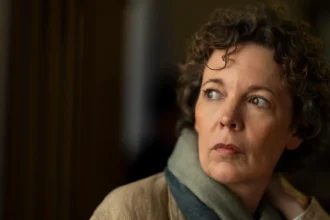
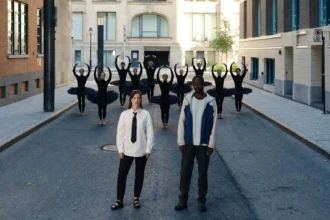
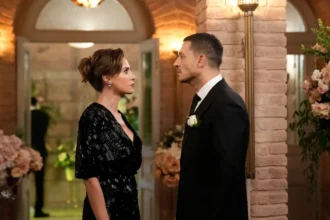
Forbidden Love – The Ziyagil Household: Love replaced by possession.
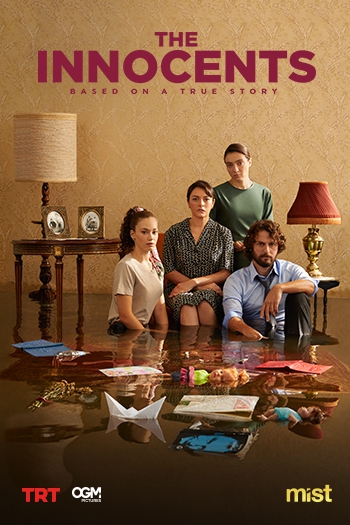
The Innocents – The Derenoğlu Family: Protection that suffocates.
The Red Room: Intergenerational trauma passed down as destiny.
Leaf Cast – The Tekin Family: Morality used as control.
The Pit – The Koçovalı Clan: Loyalty that destroys.
Fatmagul – The Yaşaran Family: Power over justice.
Ezel: Chosen family built on betrayal.
Ethos: Emotional invisibility.
Chrysalis: Love shaped by fear and shame.
The Family – The Soykan Family: Autonomy as threat.
These families are not exaggerated—they are recognizable.
So which toxic Turkish TV family is yours?
Not literally, but structurally.
The real question is: which patterns are you still repeating?
‘Toxic’ may be overused, but it points to something real: the difficulty of loving without repeating harm.
And maybe the work is not to label—but to notice.
Because the pattern doesn’t live on screen. It lives in us.