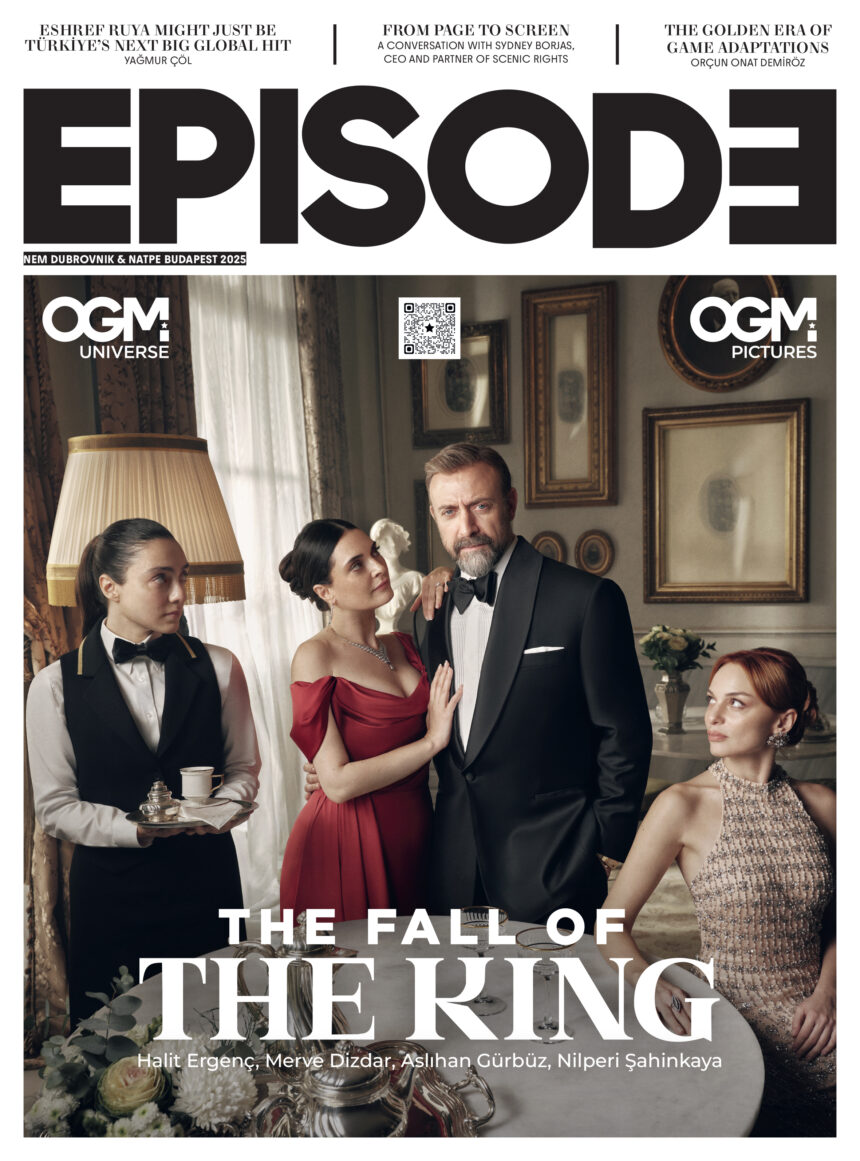




For our MIPCOM 2026 issue, Burcu Asena Şahin Gençoğlu breaks down the potential of gaming IP.
For years, “video game adaptation” was almost a warning label. Hollywood had no shortage of famous games to choose from, but turning them into successful films and television series proved considerably harder. A loyal gaming audience did not necessarily translate into a cinema audience, and critical or commercial success was far from guaranteed.
That relationship has changed dramatically.
The Last of Us, Fallout, Arcane, Sonic the Hedgehog and The Super Mario Bros. Movie have helped move game adaptations from a notoriously difficult corner of Hollywood into one of the industry’s most closely watched IP pipelines. According to Ampere Analysis, 272 video game adaptations were greenlit between 2019 and 2025, with commissions increasing by around 30% a year. The shift has also been increasingly towards live-action: 69% of projects commissioned in 2025 were live-action, compared with a much smaller share the year before.
But the growth of the market is only part of the story. The more interesting question is why some adaptations manage to turn players into viewers, and then viewers back into players, while others struggle to satisfy either audience.
FROM PLAYERS TO VIEWERS — AND BACK AGAIN
The strongest recent adaptations have changed the traditional relationship between gaming and screen entertainment. Rather than treating a game as a story that simply needs to be reproduced, studios are increasingly looking at it as an established universe that can support new stories.
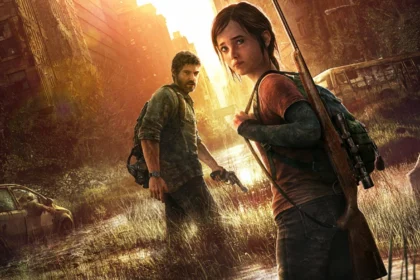
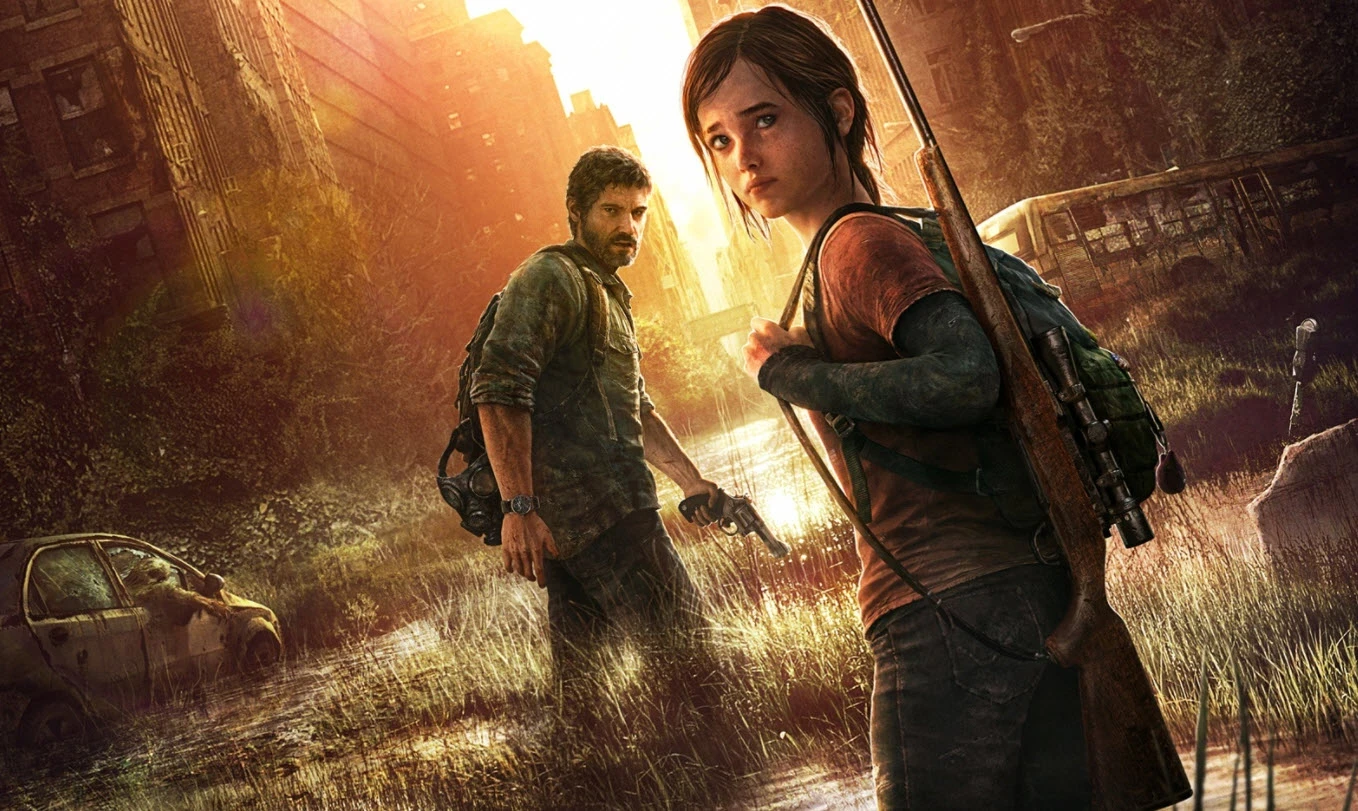
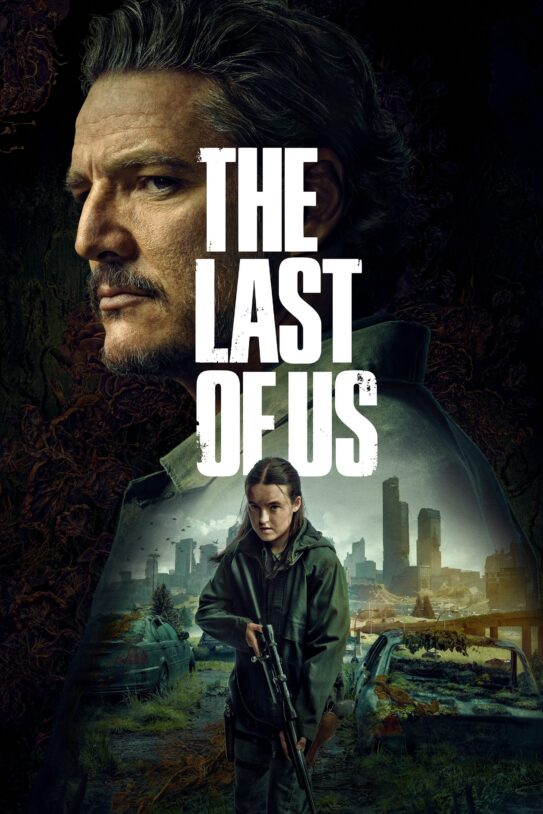
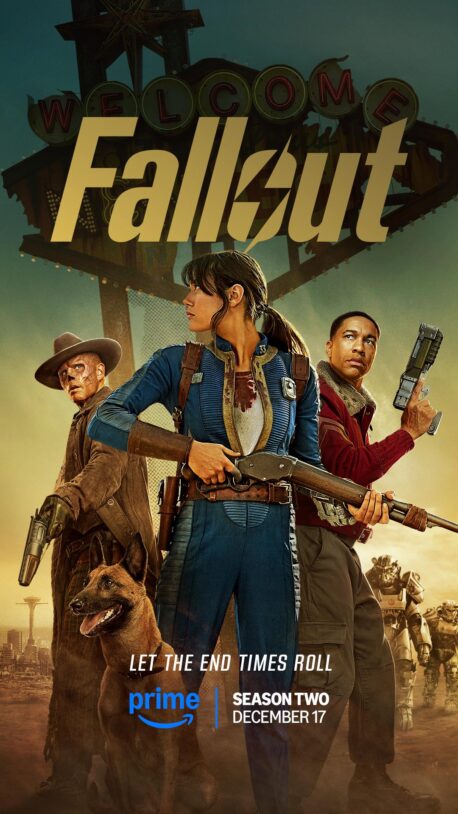
The Last of Us is a good example. HBO’s series retained the emotional core and many recognisable elements of Naughty Dog’s games, while expanding or restructuring parts of the story for television. Fallout took a different approach, creating an original narrative within the game’s established universe rather than directly adapting one title.
Both approaches underline an important distinction: faithfulness does not necessarily mean reproducing the plot.
And there is now evidence that this flexibility can have a direct commercial impact on the games themselves.
Ampere found that TV adaptations generate an average 203% increase in player numbers, compared with 48% for movie adaptations. Fallout produced an increase of almost 500% in monthly active users, while The Last of Us saw franchise engagement increase by an average of 150% across its two HBO seasons.
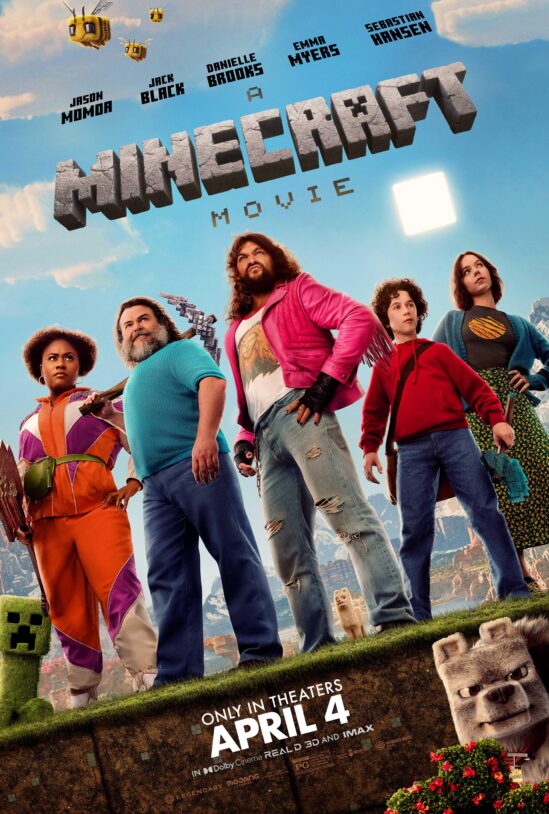
Even a less dominant screen title can have a meaningful effect. Netflix’s animated Devil May Cry peaked only at number 58 among TV shows in Ampere’s April 2025 popularity rankings, yet the game experienced a 358% increase in players compared with the previous month. Minecraft, meanwhile, saw monthly active users rise 30% around the release of A Minecraft Movie, with 54% of the returning players classified as lapsed users.
The implication for rights holders is significant. An adaptation can now be valued not only by its own viewing figures, box office or licensing revenue, but also by its ability to reactivate an existing game audience or introduce an entirely new one.
The model is becoming less of a straight line and more of a loop: Game → series or film → new viewers → new players → renewed engagement → stronger IP.
THE CASTING PROBLEM
There is, however, one area where game adaptations face a particularly complicated challenge: casting.
Book readers may develop a strong mental image of a character, but game players have often spent dozens or hundreds of hours actively inhabiting one. They know the character’s voice, movements, personality and visual appearance. In many cases, they have helped shape that character’s journey themselves.
That makes casting unusually personal.
The debate around Pedro Pascal and Bella Ramsey as Joel and Ellie in The Last of Us showed how quickly fan expectations can become part of the adaptation conversation. The series ultimately demonstrated that screen casting does not need to be a literal recreation of the game’s character models. What mattered was whether the performers could reproduce the emotional relationship at the centre of the story.
This is one area where game adaptations differ from books. A reader imagines a character; a gamer has already experienced one.
The issue becomes even more complicated when established game performers are involved. Troy Baker and Ashley Johnson, who voiced Joel and Ellie in the original games, appeared in different roles in the HBO series, creating a bridge between the two versions of the story without attempting to reproduce the original casting.
As more major games move to television, casting is likely to remain less a question of resemblance and more one of managing the relationship between an existing fandom and a new interpretation.
FAITHFUL DOES NOT MEAN IDENTICAL
The same principle applies to story.
Some of the most successful adaptations have understood that games and television have different storytelling mechanics. A game can allow a player to explore a world for 30, 50 or even 100 hours. A television series has to control pace, point of view and dramatic structure.
That is why Fallout’s decision to tell a new story rather than remake one of the games was so important. The series preserved the tone, mythology and visual identity of the franchise while giving both newcomers and existing players something they did not already know.
Animation has long understood this principle.
Omdia found that 72% of video game adaptations since 1982 have been animated, with 65% of those animated adaptations coming from Japanese anime series. Japan’s entertainment industry has historically treated major properties as cross-media IP rather than belonging to a single format.
Pokémon is the obvious global example, but the model extends much further. Omdia points to Uma Musume: Pretty Derby, where the success of the anime helped drive the accompanying mobile game to more than $1.2 billion in net revenue across 11 million players.
The West is increasingly moving towards the same logic, even if it is often starting with an established game and expanding outwards.
WHEN THE FORMULA FAILS
The current boom should not obscure the fact that gaming IP is not a guarantee of success.
Borderlands demonstrated how quickly a promising franchise can lose momentum. Despite an established game audience and a star-heavy cast including Cate Blanchett, Jamie Lee Curtis and Kevin Hart, the 2024 film struggled critically and commercially. The lengthy development process, changes behind the scenes and reshoots also became part of the conversation surrounding the movie.
Halo offers a different lesson. The Paramount+ series had the advantage of an enormous gaming franchise but made creative decisions, including showing Master Chief’s face and significantly altering elements of the established story, that became flashpoints among fans.
Then there is Five Nights at Freddy’s, which illustrates another complication. Critics were largely unimpressed, but the film performed strongly with its target fanbase and became a commercial success.
That contrast is useful for the industry. There is no single metric for determining whether a game adaptation has worked. Critical approval, fan satisfaction, streaming performance, theatrical revenue and the impact on the original game can tell very different stories.
The challenge is understanding which audience the project is actually designed to serve.
THE NEW GATEKEEPERS OF GAMING IP
Another important change is who gets to shape these adaptations. Game developers are increasingly expected to have a meaningful role in the process rather than simply licensing their characters and worlds. The Last of Us is a particularly notable example, with Naughty Dog’s Neil Druckmann serving as co-creator alongside Craig Mazin.
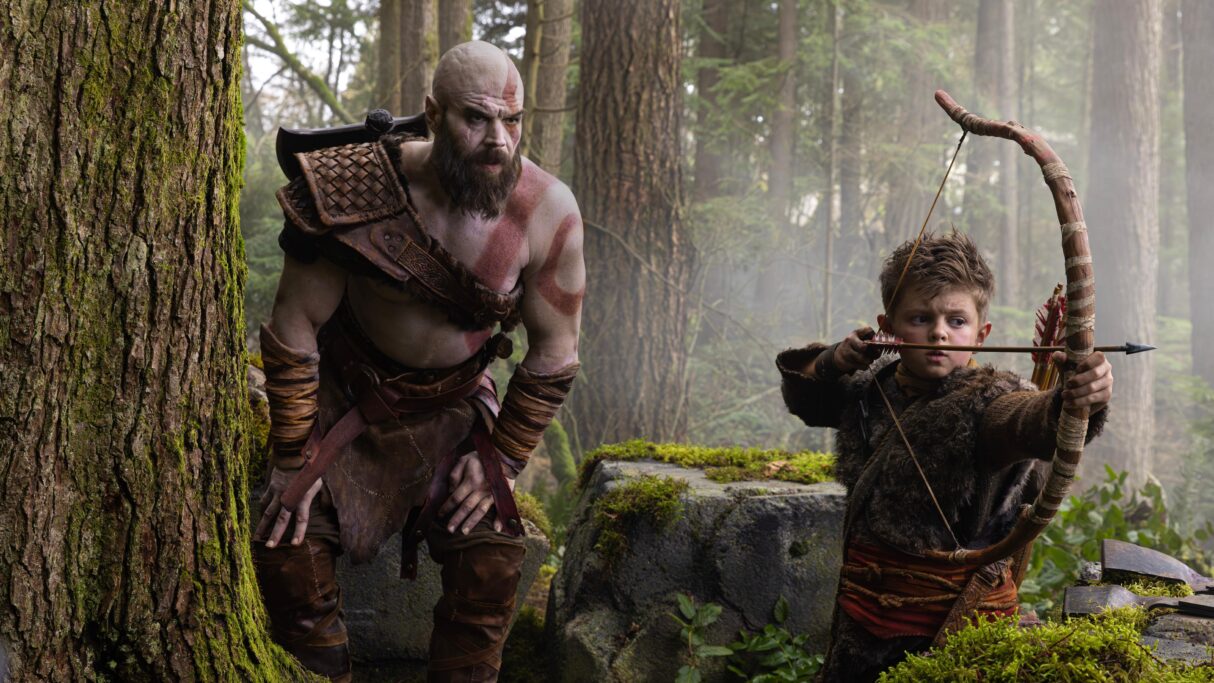
Sony has taken this idea further through PlayStation Productions, positioning its game catalogue as a broader entertainment ecosystem. The company’s strategy connects games with television and film projects including The Last of Us, Twisted Metal, Gran Turismo and the upcoming God of War and Ghost of Tsushima adaptations.
Amazon MGM is similarly active, with Fallout, Tomb Raider and God of War among its major gaming-related projects.
And the creative infrastructure around game adaptations is expanding as well. Companies such as Story Kitchen have emerged specifically around the intersection of games and screen entertainment, helping bring properties from games into film and television while connecting game creators with Hollywood producers and writers.
This matters because the next stage of the market is unlikely to be built entirely around the biggest names already known to audiences. It will depend on finding the next generation of adaptable IP.
THE NEXT WAVE
That search is already visible in the upcoming slate.
The next few years will bring a striking variety of approaches: The Legend of Zelda is heading to cinemas, Street Fighter and Resident Evil are returning to the big screen, while God of War and Tomb Raider are being developed as premium television properties. Elden Ring offers perhaps the most unexpected combination, bringing together FromSoftware and Bandai Namco with filmmaker Alex Garland and A24.
The range of projects is revealing. Gaming adaptations are no longer confined to one particular type of blockbuster. They can be family entertainment, prestige television, horror, animation, theatrical action or auteur-driven fantasy.
And there is still plenty of IP available.
Ampere has identified titles including Baldur’s Gate III, Black Myth: Wukong, Hollow Knight: Silksong and Sons of the Forest among high-potential game properties that remained unclaimed in its latest analysis.
That suggests the next phase will be less about proving that games can work on screen and more about determining which games have the depth to become long-term entertainment franchises.
BEYOND THE ADAPTATION
For the international television business, that may be the most important development.
Gaming IP comes with something most original productions spend years trying to build: an existing audience, a recognisable world, a visual identity and an established emotional connection.
But the strongest adaptations are not simply exploiting those assets. They are adding to them.
A successful series can send viewers into a game. A film can bring lapsed players back. An animated adaptation can open a franchise to a new demographic. And a game can continue to keep an audience engaged between seasons or films.
The adaptation, in other words, is no longer necessarily the end product. It is another entry point into a much larger IP ecosystem.
The first wave of gaming adaptations was about proving that games could work on screen. The next wave is likely to be more ambitious: turning game worlds into flexible, international franchises that can move between platforms without losing the audience that made them valuable in the first place.
The question for the industry is no longer whether games can become successful films and television series. It is how far a game universe can travel once it gets there.