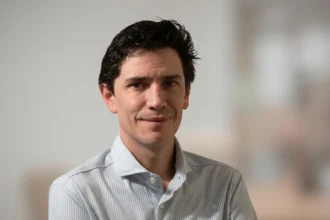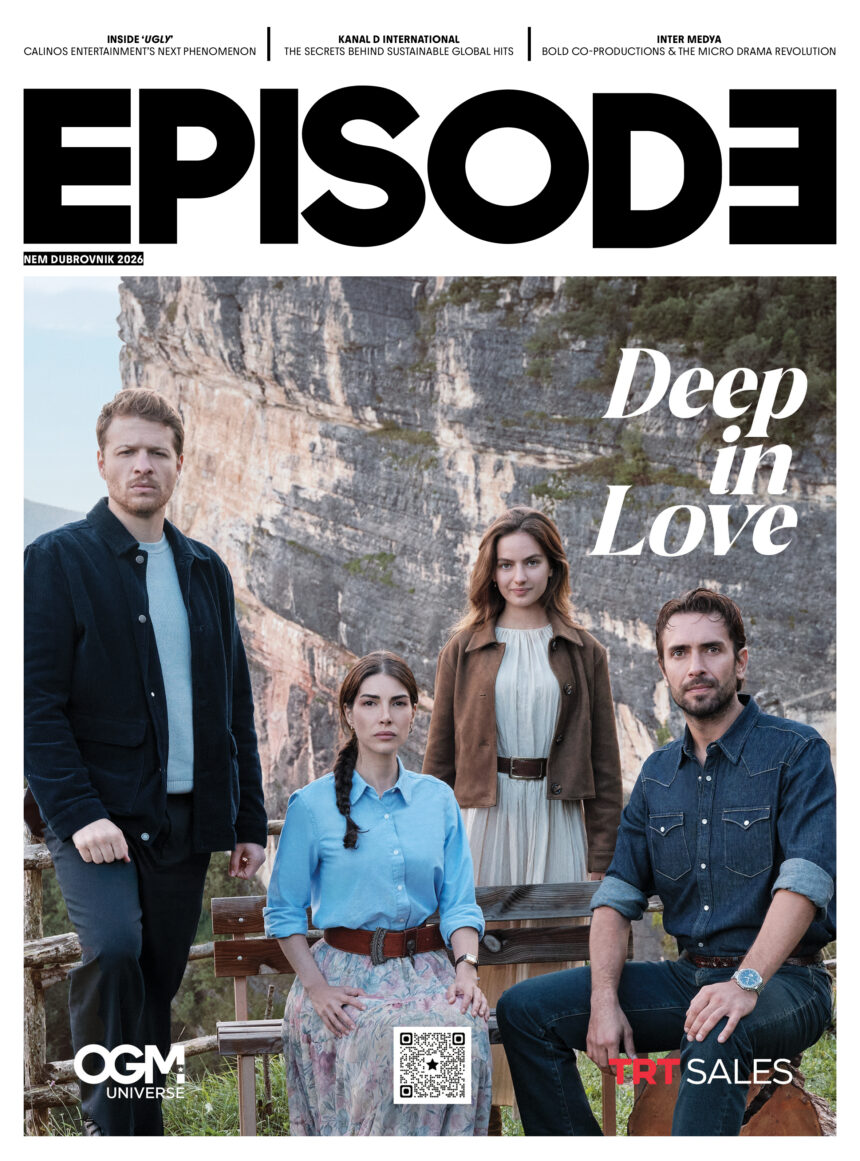



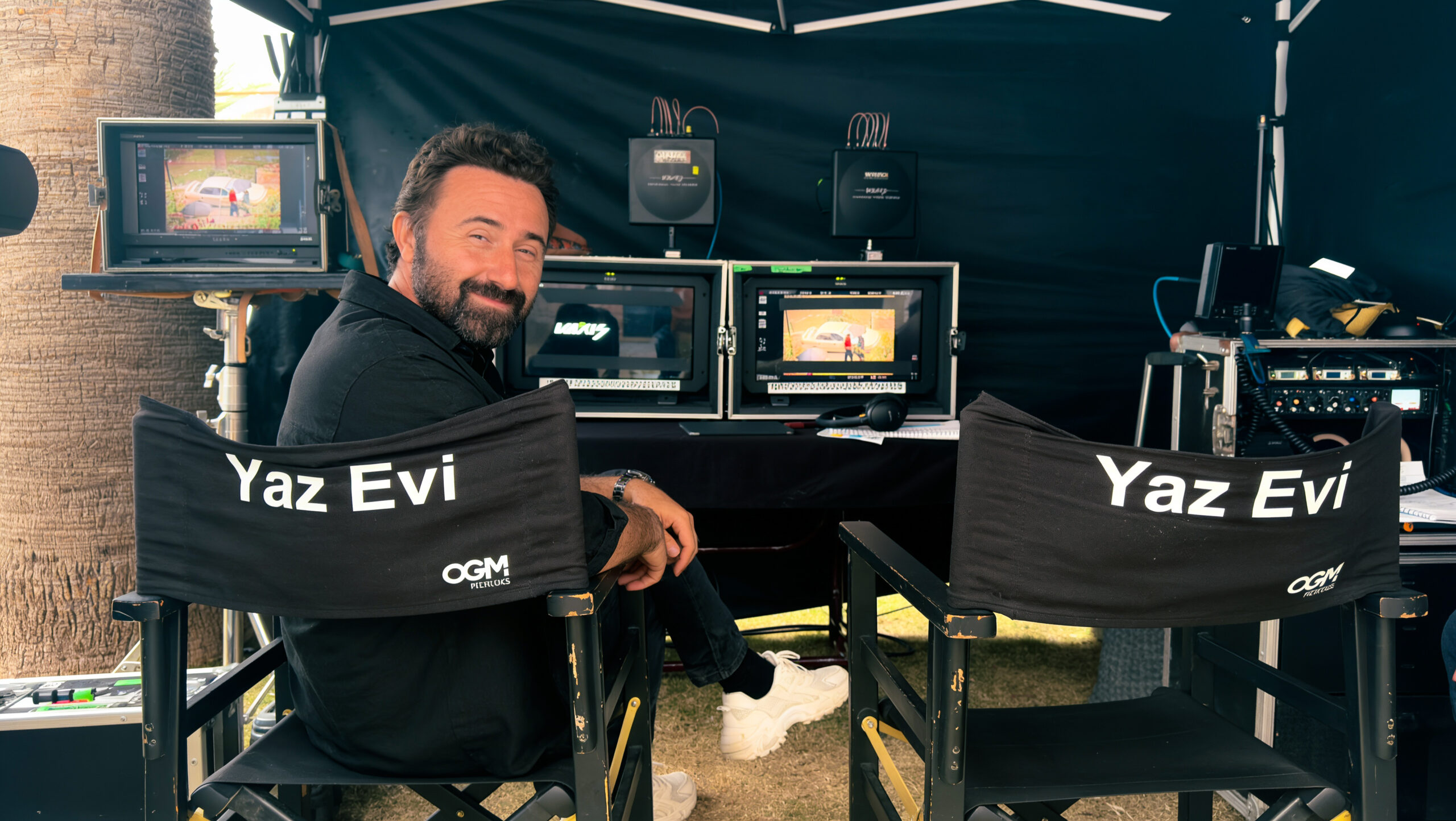
In the June issue of Episode Magazine, Burcu Asena Şahin Gençoğlu spoke with Erdem Tepegöz, the director of Prime Video’s new production Summer House, which takes us back to the 90s.
As a director, what was the core emotion that caught you in this project and made you say, “I must shoot this story”? Were you more attracted by the domestic traumas in the script or by that fluid nature of time?
When I first read the script, the idea that shook and captivated me the most was Selin going back to the past and spending a summer season while she was the same age as her mother. This was a very powerful and fascinating idea in terms of the perspective on the intergenerational concept of family and its bonds. Observing how the nature of relationships transforms as time changes… Also, as a director who loves summer movies, reading this atmosphere aroused a great excitement inside me. The opportunity to go back to those years had come before us.
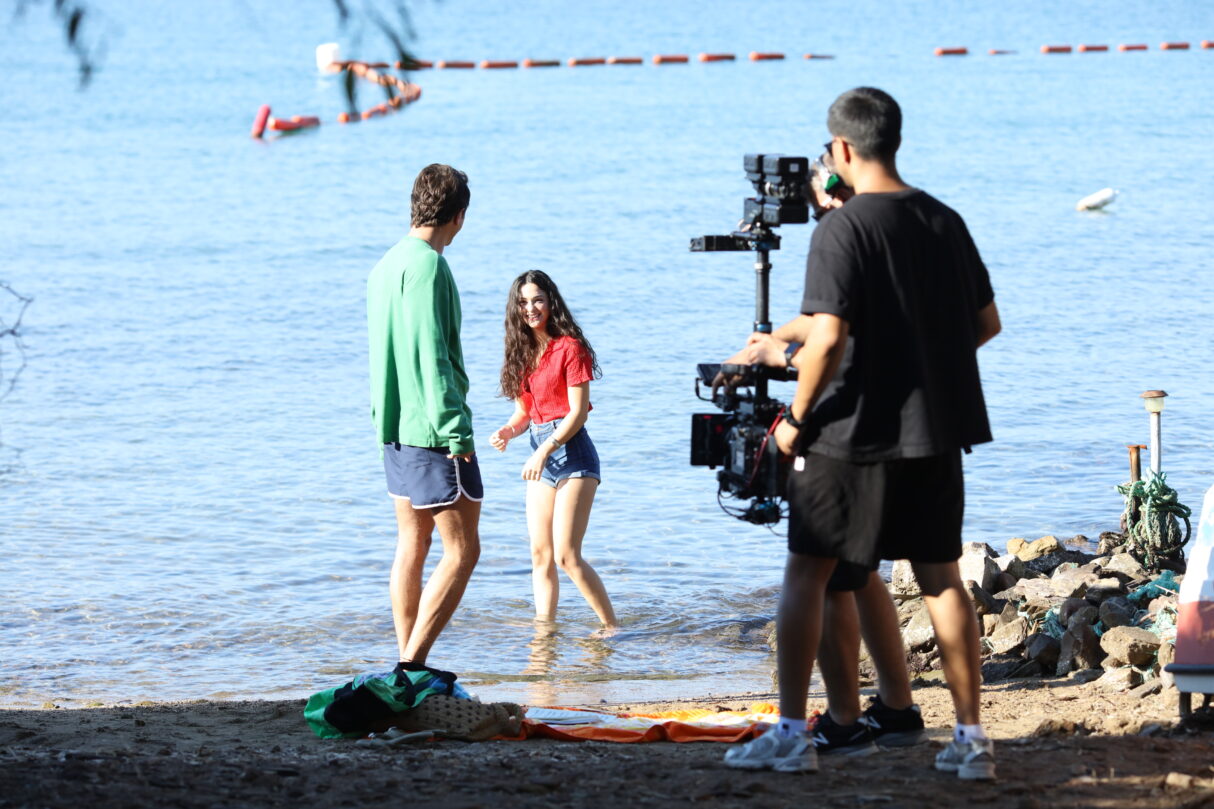
The concept of time travel has been treated countless times in the history of cinema and series, but in Summer House, rather than a mechanical science fiction, this situation is treated almost in the genre of “magical realism,” as a spiritual journey into memory and family. How did you maintain this fantastic balance while establishing the narrative language?
Frankly, I did not want Summer House to turn directly into a “time travel” movie. Instead of a technical element, I positioned this concept as a “thought experiment” and an emotional tool through which the character would discover herself and her mother. Selin is a character who did not personally experience the 90s; therefore, when she goes back to the past, she is greeted by the year 1996, which she only knows through hearsay and is a stranger to.
At this point, the astonishment she experiences, her effort to get to know her mother anew, and even witnessing the process of her parents coming closer together takes the story out of being a “struggle to return home.” For her, time travel turns into a process of deeply understanding and making sense of the past and her family, rather than an ambition to change the past and the future.
The film’s world instantly draws the audience in with its colorful, music-filled, and analog atmosphere of the 90s. While choosing the songs, color palette, and texture of that period, how did you balance the contrast between the film’s emotional weight and this colorful environment?
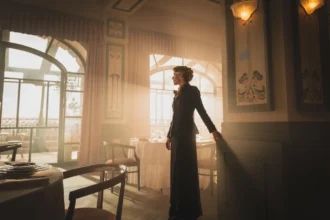
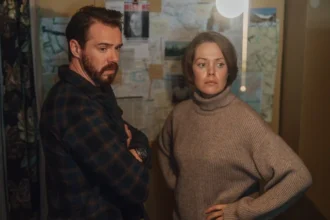
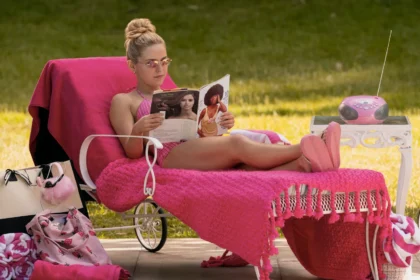
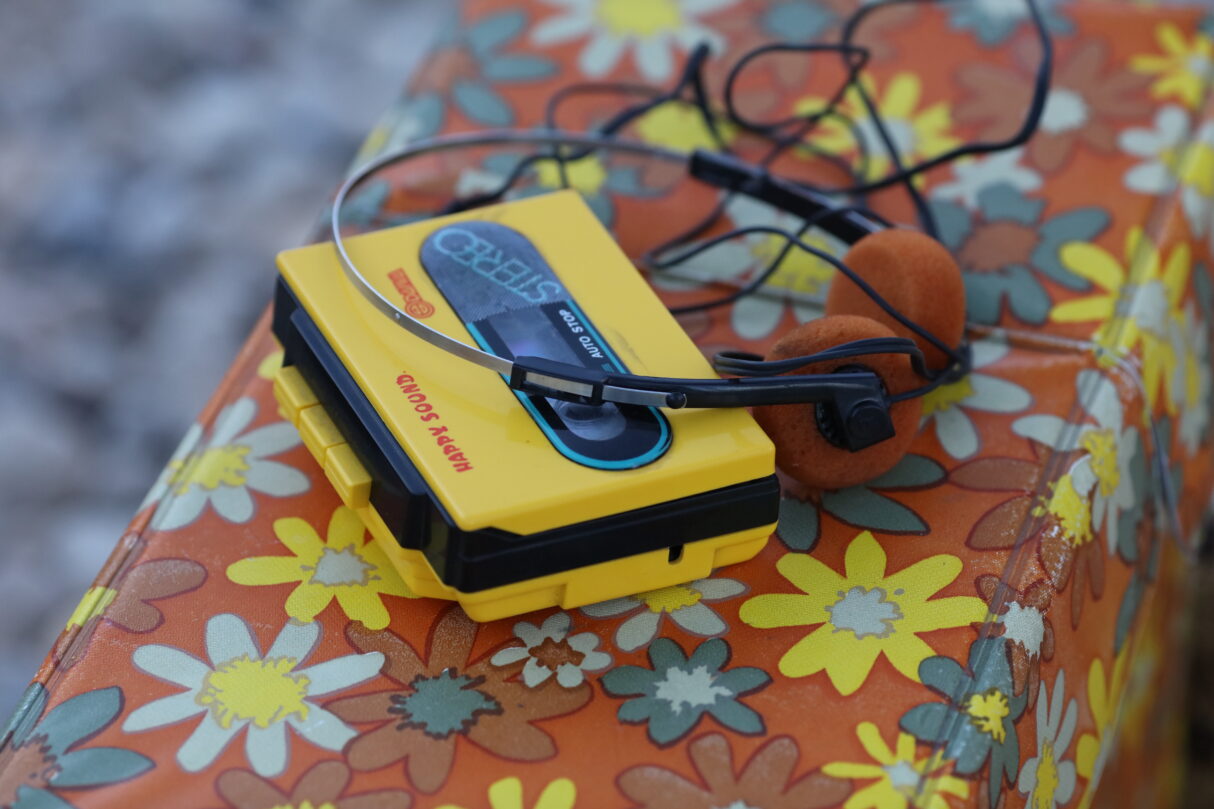
As the creative team, our goal when starting out was not to look at those years from today through an external and distant window of nostalgia. Just like Selin, we wanted to infiltrate that period and live there. I think the secret of the 90s atmosphere conveying itself so sincerely and strongly to the audience in the film lies right here. I also grew up in a summer resort area in the 90s. Those years were definitely more colorful, a period when technology had not yet taken over life, and speed was replaced by the consciousness of “living time to the fullest.”
Looked at from this perspective, this period, which is a fascinating universe on its own with its music, costumes, and analog details, creates a wonderful contrast with Selin’s distant, uncommunicative, and cold world of today. I believe this contrast gives the film both an emotional and a very powerful visual journey character.
In the finale of the film, you do not show in definite lines what the intervention to the past changed or did not change; instead of a big miracle, we only see that the mother has softened a tad, we learn that she went to the conservatory, but we don’t actually know for sure that she didn’t go to the conservatory at the beginning of the film. What was the cinematographic philosophy behind this “not definitive” choice of healing, conveyed only through feelings?
The philosophy underlying the subtext of the film that fascinated me the most was the idea that deeply understanding the past creates a much more powerful healing and change in the human soul than changing it mechanically. While trying to understand her mother and even bringing her grandmother’s forgotten poems to light, Selin actually opens an intergenerational Pandora’s box. She undertakes the mission of reminding them of the goals, dreams, and excitements lost in the family’s past.
If the goal was to see her mother as a happy, confident, and proud woman, this could not be tied to a miracle as shallow as “if only she had completed the conservatory.” Even if there is no concrete change, when we can change our perspective on events and understand the person across from us with complete empathy, we actually gain the power to transform everything. From this perspective, understanding and accepting can be the physical change itself. The film also aims to transform this abstract healing into a visual reality.
What kind of directorial bridge did you build between Selma Ergeç and Derya Pınar Ak, and between Onur Seyit Yaran and Çağdaş Onur Öztürk, who play different periods of the same character? What did you pay attention to while ensuring that actors from two different generations reflected the stretching of the same soul?
I feel very lucky to have worked with a wonderful cast in this project. Selma Ergeç carefully examined the youth scenes of her character and caught the same spiritual texture and gestures. Onur Seyit Yaran and Çağdaş Onur Öztürk also successfully shouldered the two-temporal fracture of the character. Onur Seyit Yaran brought out that unique rhythm and pure feeling of love of the 90s from such a realistic place that the bond established with the character’s shadow today became much more striking. While building the directorial bridge, we tried not to forget that both generations were playing different seasons of the same soul.
In any case, dear Mina Demirtaş’s acting rhythm, which completely dragged us along, and her powerful performance that made us believe in the character with all our hearts, was one of the most important elements forming the emotional center of the film. Along with this, Nehir Erdoğan’s deep interiority and high emotional power, which put me at great ease as a director, also made an impressive contribution to the project. Actually, the fact that the entire cast believed in and surrendered to the story so from the heart; I can say it was the most fundamental element that allowed the film to reach the audience so sincerely, genuinely, and deeply.