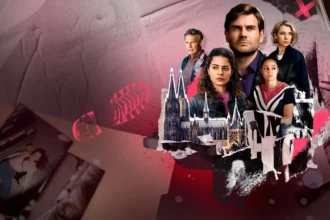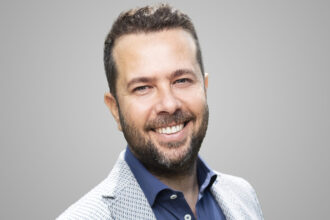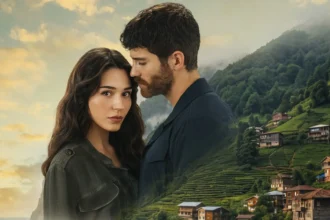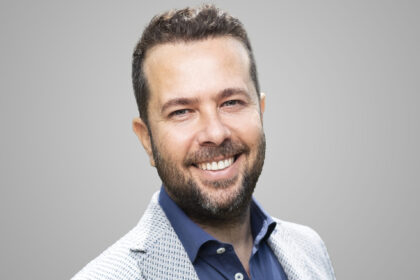




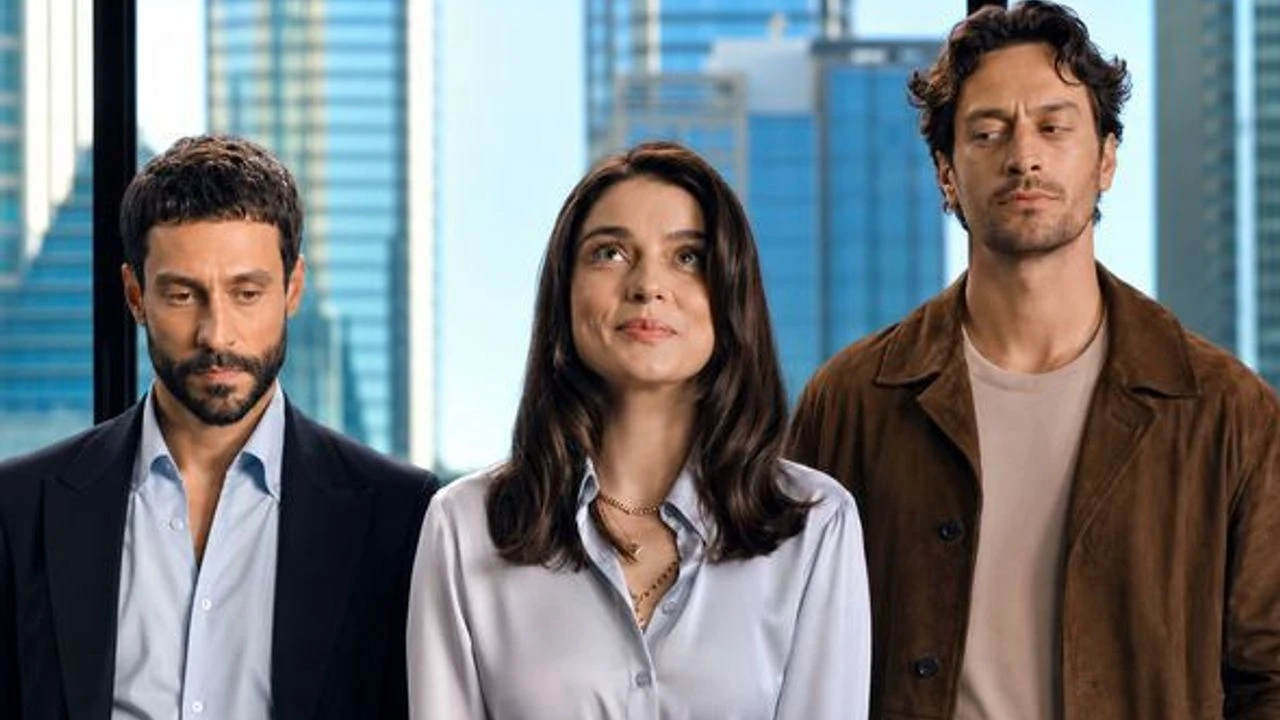
Eda Akça spoke to Love, Probably‘s director Altan Dönmez about the world they built for the series.
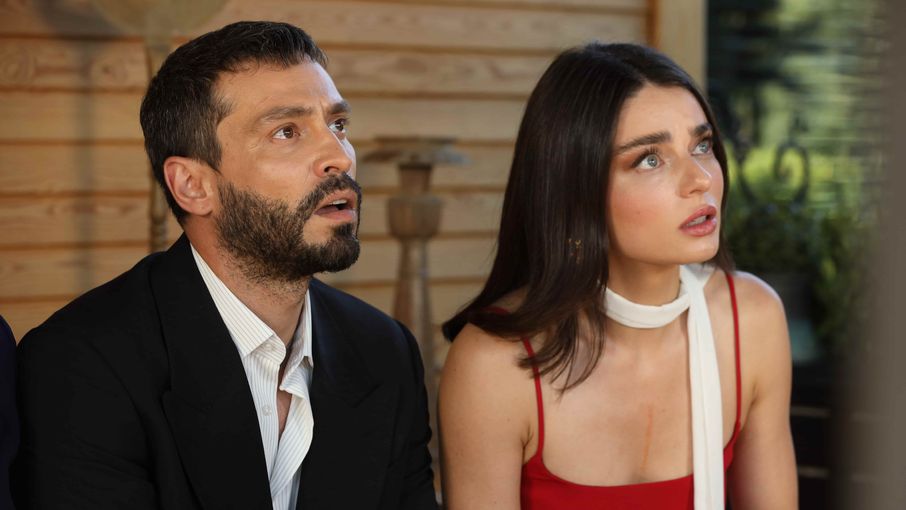
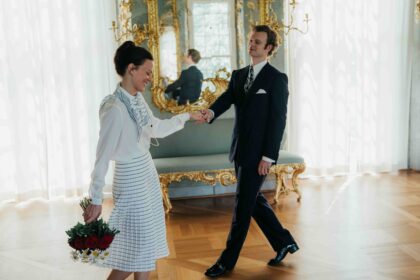
Bringing romantic comedy and drama together in the same story, Love, Probably approaches the relationship between Defne and Kadir not as an idealized love story, but as a possibility shaped by their own pasts, values, and the lives they are unwilling to give up. Altan Dönmez, the director of the series, describes the world they have created as “romantic but not idealized, warm but realistic.”
We spoke with Altan Dönmez about the tone of Love, Probably, the different worlds of Defne and Kadir, the on-screen chemistry between Ayça Ayşin Turan and Ekin Koç, the transformation brought about by the time jump in the story, and his directorial approach, which allows actors to step outside their comfort zones.
What convinced you to become part of this story when you first encountered the script for Love, Probably? How did you initially envision the world of the series?
The energy and joy of the project really appealed to me on the first read. It was a genre we had been missing. The genre sets a certain framework for you. To make it feel real, we first focused on the characters and their world; then we began working on the colors, music, and warmth the genre required. As with every project, we built this world together with a large team, a strong production company, and a producer. We wanted to create a world that was romantic but not idealized, warm but realistic.
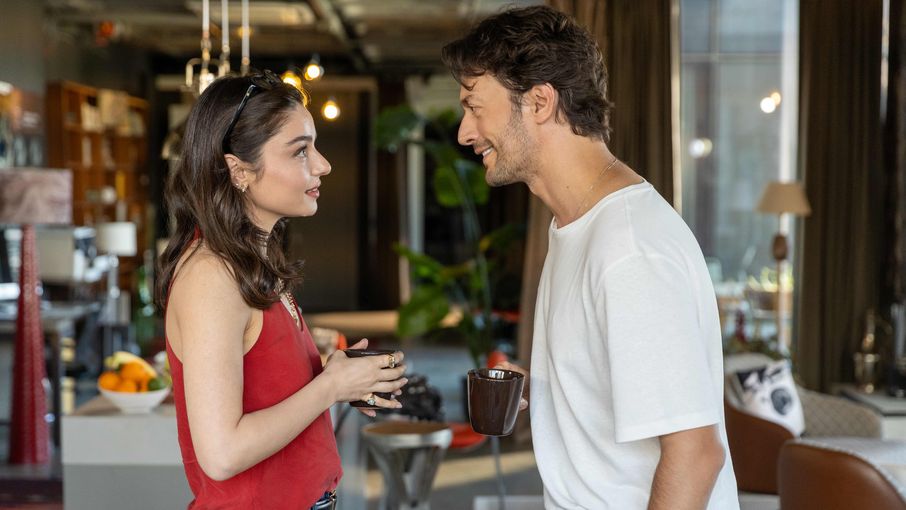
At first glance, the series may seem like a romantic comedy built around a love triangle, but it also establishes a more intense dramatic world through family, the past, and geography. As a director, how do you balance these two distinct tones?
We try to stay true to the natural flow of life. The source of comedy and drama is actually the same: the situations the characters find themselves in. Rather than telling an actor to “be funny” or “heighten the emotion,” we focus on what the character wants and work together to bring that out. Sometimes desperation can be funny, while a brief silence can be deeply dramatic.
Kadir is quite different from the urban, seemingly flawless male characters we are used to seeing in romantic comedies. As he brings the culture, way of speaking, and family ties of the region where he was born into his life in Istanbul, he also reveals a vulnerable side when it comes to love beneath his strong and tough exterior. How did you build this multifaceted world of the character?
Kadir is a strong and tough man, but when he meets Defne, the order he is accustomed to is shaken. We see the vulnerability beneath his toughness mostly through his glances and silences. He is a man who protects and looks after others, expressing himself through actions rather than words. He has very clear ethical rules in the business world and does not compromise on them. His sense of family and belonging is also one of the strongest aspects of his character.
Defne is a young lawyer at the beginning of her career, trying to stand on her own two feet. How did you develop her individual world beyond her love story?
Defne is a woman who values her individual freedom, has boundaries, and defends those boundaries to the very end. She plans her career, stands on her own two feet, and often acts according to reason. But of course, she also has dreams, fears, and pride. We wanted to approach her not merely as the female character in a love story, but as a person with a life of her own.
Ayça Ayşin Turan and Ekin Koç, who share the lead roles, have a certain chemistry that comes from having worked together before. How do you think this chemistry is reflected in the relationship between Defne and Kadir?
Knowing each other’s rhythms is a great advantage. They can understand one another through subtle glances and pauses. This chemistry also makes Defne and Kadir’s relationship feel more natural.
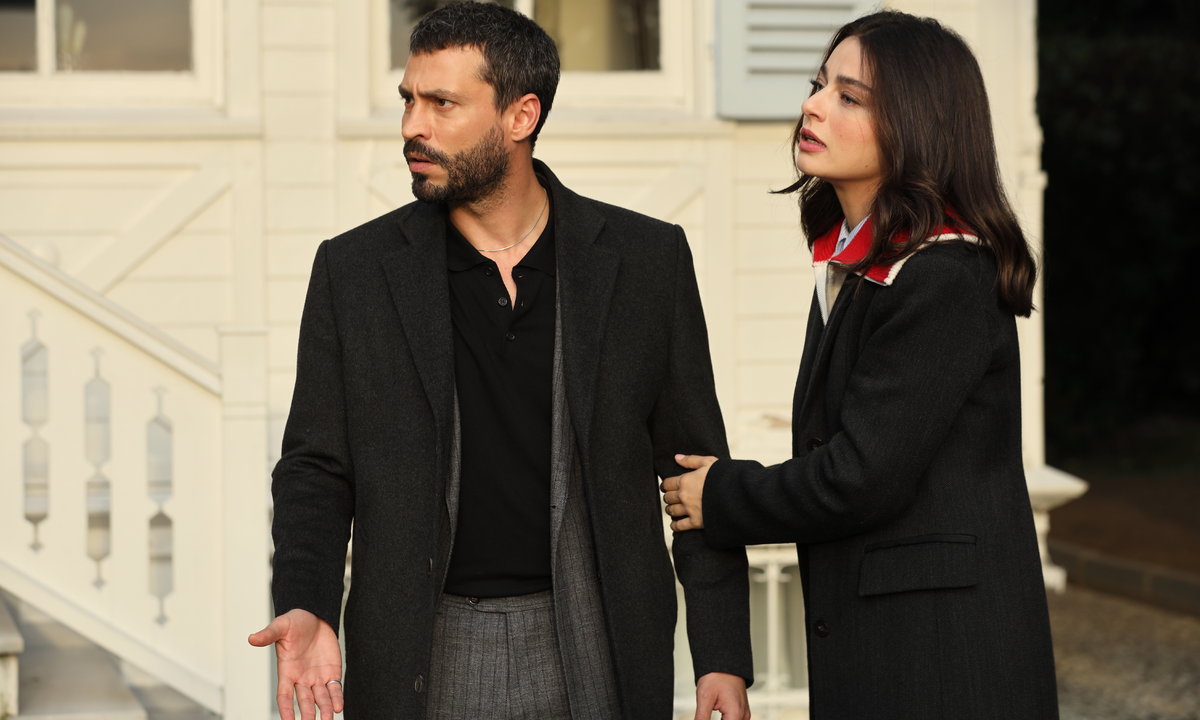
The title of the series points to a “probable” love; it does not promise a relationship that is certain or idealized from the outset. What do you think is the fundamental conflict that makes the love in this story “probable”?
The issue is not simply that they love each other. They both have a past, a character, values they stand up for, lives of their own, and things they are unwilling to give up. Sometimes, the obstacle to love is not a person, but life itself.
In romantic comedy, the rhythm of humor is just as decisive as the chemistry between the actors. How do you work with the actors to achieve this naturalness and rhythm?
Humor emerges naturally from the script, the contrasts between the characters, and misunderstandings. Sometimes a glance or an unfinished sentence is enough. When an actor does not deliberately play a written joke as “comedy,” it often becomes much more effective.
Defne’s urban life and the culture Kadir carries from his family and the region where he grew up take the story beyond the boundaries of classic romantic comedy. How do you use locations to portray the different worlds to which the characters belong?
For me, a location is more than just a set; it is part of the character. Where they live, the objects they use, even the arrangement of the space says something about them. Defne’s world is more individualistic, while Kadir’s is built around family and belonging. The way these two worlds gradually move closer to one another is also part of their relationship.
With the time jump in the series, significant changes have taken place both in the characters’ lives and in their relationships. How did you build the visual and emotional world of this new period?
We wanted to convey the changes not only through costumes and locations, but also through the transformations of our actors and characters. Even the fact that someone who used to react immediately now remains silent can show that time has passed. We also supported this through lighting, atmosphere, and the distances between the characters.
You have worked on projects across different genres that have reached wide audiences for many years. How has your approach to directing evolved during this time? Have there been any directors or productions that inspired you and helped shape your storytelling language?
I deliberately avoid following directors so that I do not draw inspiration from them. What matters to me is that my latest work is better than the one before it. My real concern and competition are mostly with myself: not repeating the same things. That is why I try to approach every project within its own world. In the name of realism, when I have to choose between what is “right” and what is “beautiful,” choosing what is right is probably one of the ideas that has changed my approach to directing the most over the years.
Is there any preparation you always do on set or a habit you cannot do without before you start shooting a scene?
I plan the scene in my head beforehand, but I remain open to change on set. We go over it with the actors as the scene is being set up. My actors are not afraid to experiment or interpret things differently. I have always believed that there is a child inside every actor who is ready to play with you.
If that child feels anxious, they will not play with you; they will simply do what you tell them. They will not allow what comes from within to emerge and will stay within their comfort zone. But creativity begins when you step outside that comfort zone. This way of working applies not only to my relationship with the actors, but also to my relationship with all the creative teams involved in a project.
Click here to read our review about Love, Probably:
Changing Narrative in Summer Series