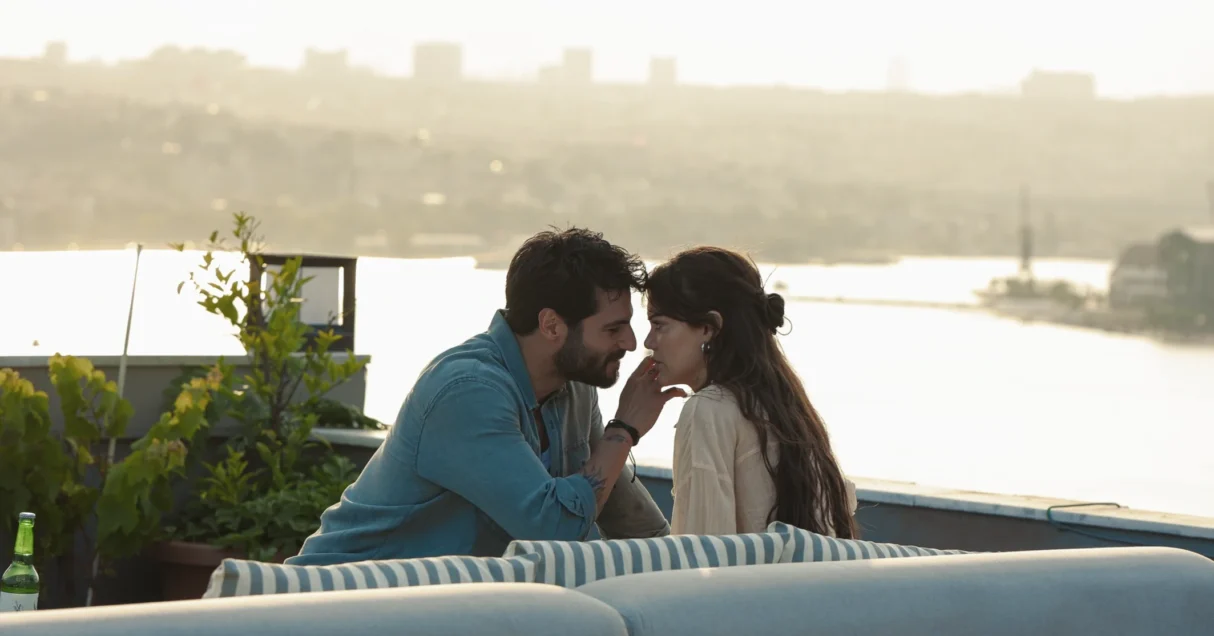





Whether love reopens our wounds or helps heal them is one of life’s greatest dilemmas. Disney+’s new Ay Yapım-produced film The Last Scene takes this question to a striking new level through the ability to see the future.
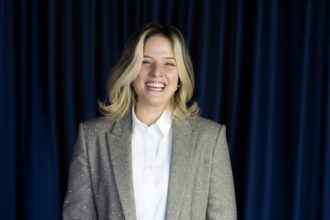
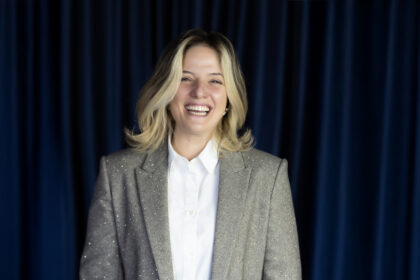
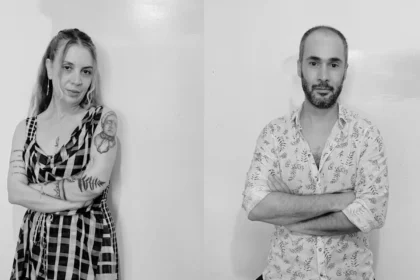
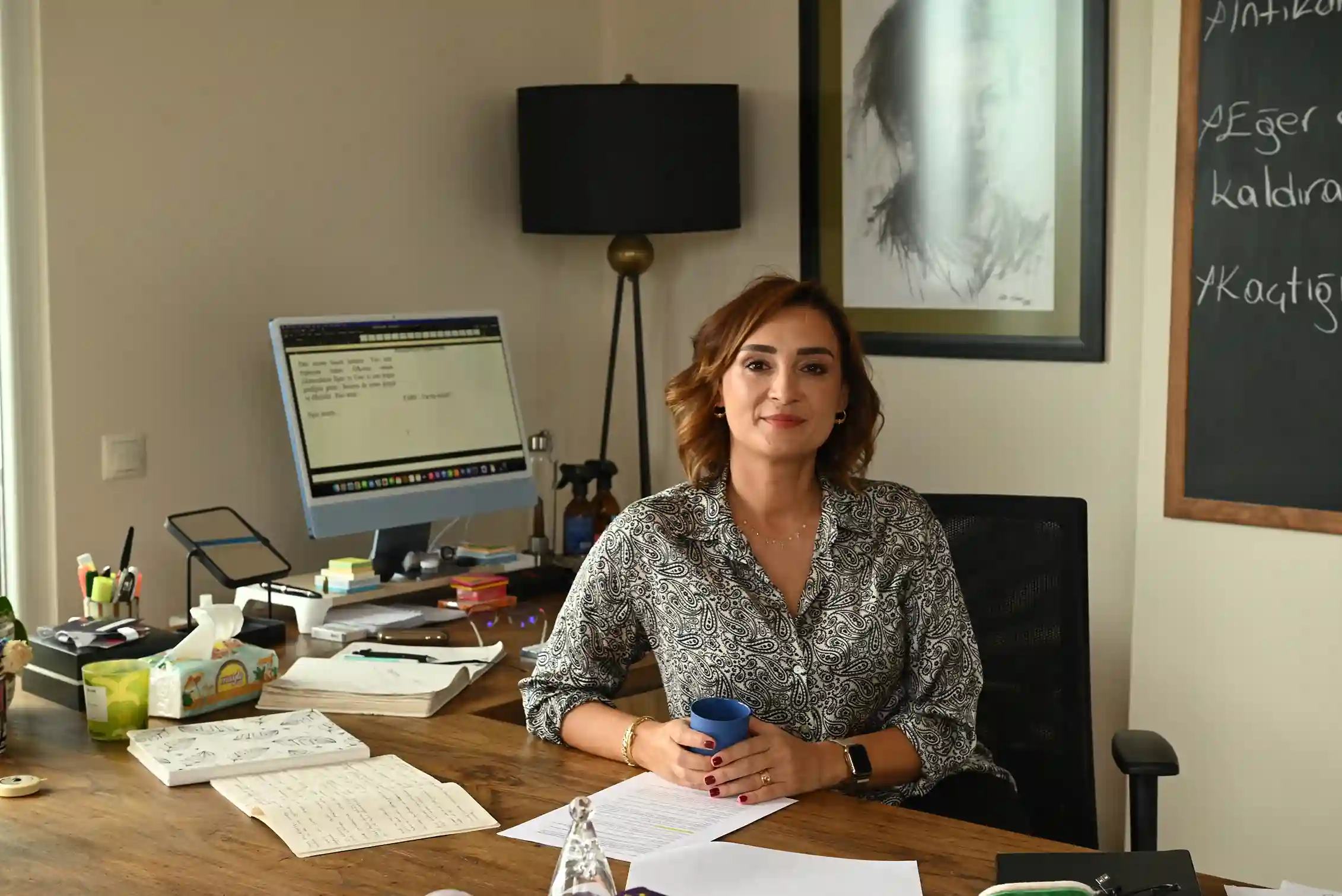
We spoke with the film’s creator, Sema Ergenekon, about how the idea for Öngörü first took shape, what the question of knowing the future means within her creative world, and the healing power of love.
How did the initial idea for The Last Scene first take shape in your mind? What inspired or triggered you most personally while writing this story?
The appeal of the question, “Can someone fall in love with a person they know will kill them?” was what gave birth to this story. Can death stop the unstoppable flow of love?
Selen is a character who manages to prevent the terrible events she sees in her dreams, but one night she is confronted with the date of her own death. Knowing one’s own end is one of the oldest existential questions in human history. Do you think knowing the day you are going to die would make a person braver or more fearful?
Finding out when you are going to die is terrifying beyond imagination. It takes courage to seek that knowledge, but I think everything that follows would be filled with fear.
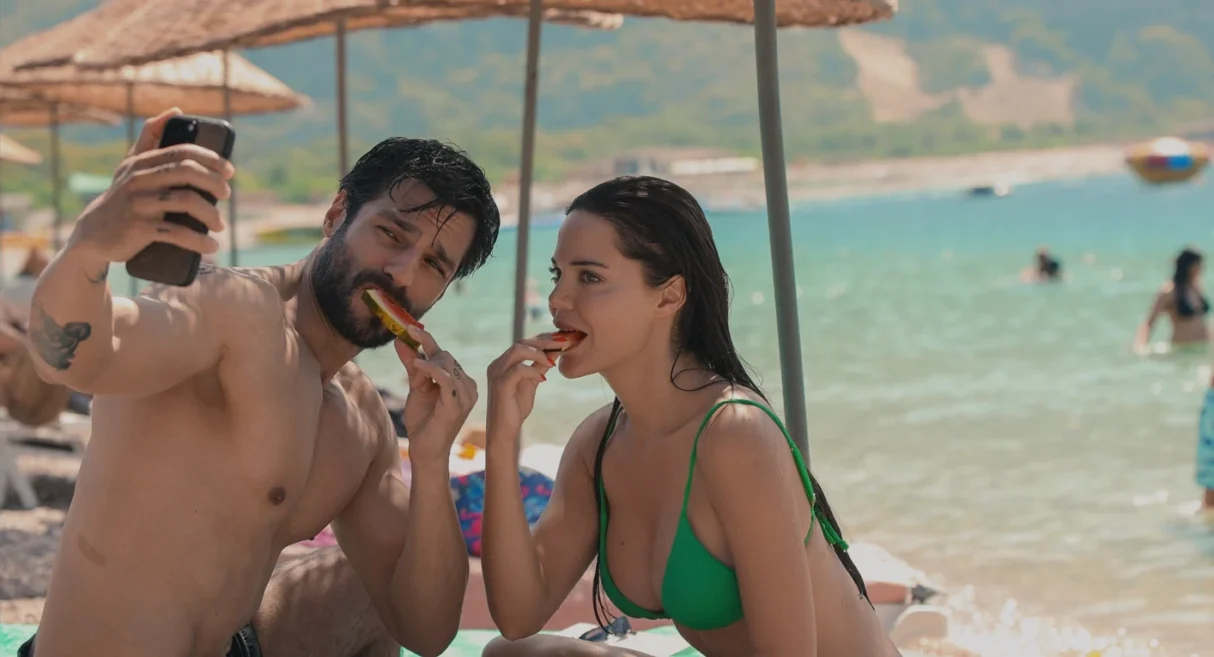
Selen and Kemal are two characters who try to heal one another while carrying wounds they have lived with since childhood. When constructing the conflict and connection between these two wounded people, where did you find yourself being most careful or sensitive?
Love has the power either to reopen a person’s wounds or to heal them. Which one you experience depends both on the person you are with and on the choices you make. I chose to have the characters in the film become a source of healing for one another. I was careful not to exploit or overdramatize those wounds. I hope I succeeded.
The film actually poses a very powerful question: Which is harder, knowing the future or not knowing it? As the creator of this story, what would your answer be?
I think knowing the future is harder.
You are the screenwriter behind many successful and long-running television series that have been widely loved both in Türkiye and internationally, but this is your first film. Since cinema is very different from television in terms of both duration and structure, how did the process of writing a feature film feel to you as a screenwriter?
In fact, whether you are writing a series or a film, the dramatic structure is fundamentally the same. The difference is that when you write for television, you need to design a more expansive story that can reach a broader audience while also complying with the requirements of television.
With a film, you have more freedom, but you also have to construct a more visually driven story within a much more compressed timeframe. Experiencing how to tell a story through sharper, clearer and more pivotal scenes was a very enjoyable process.
What are you currently working on in terms of new films or series following The Last Scene?
I am currently continuing the writing process for Susuz Yaz.
And finally, The Last Scene question: If you had the chance to see just one image from your life five years from now, would you look? And if you did, what would you want to see?
While writing the film, I also asked myself whether I would want to know something about my own future. My answer was no.
‘The Last Scene’: Hilal Altınbilek Talks About Her New Film
‘The Last Scene’: Serkan Çayoğlu Talks About His New Film
‘The Last Scene’: Director Ali Bilgin Talks About His New Film