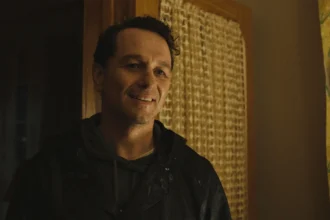



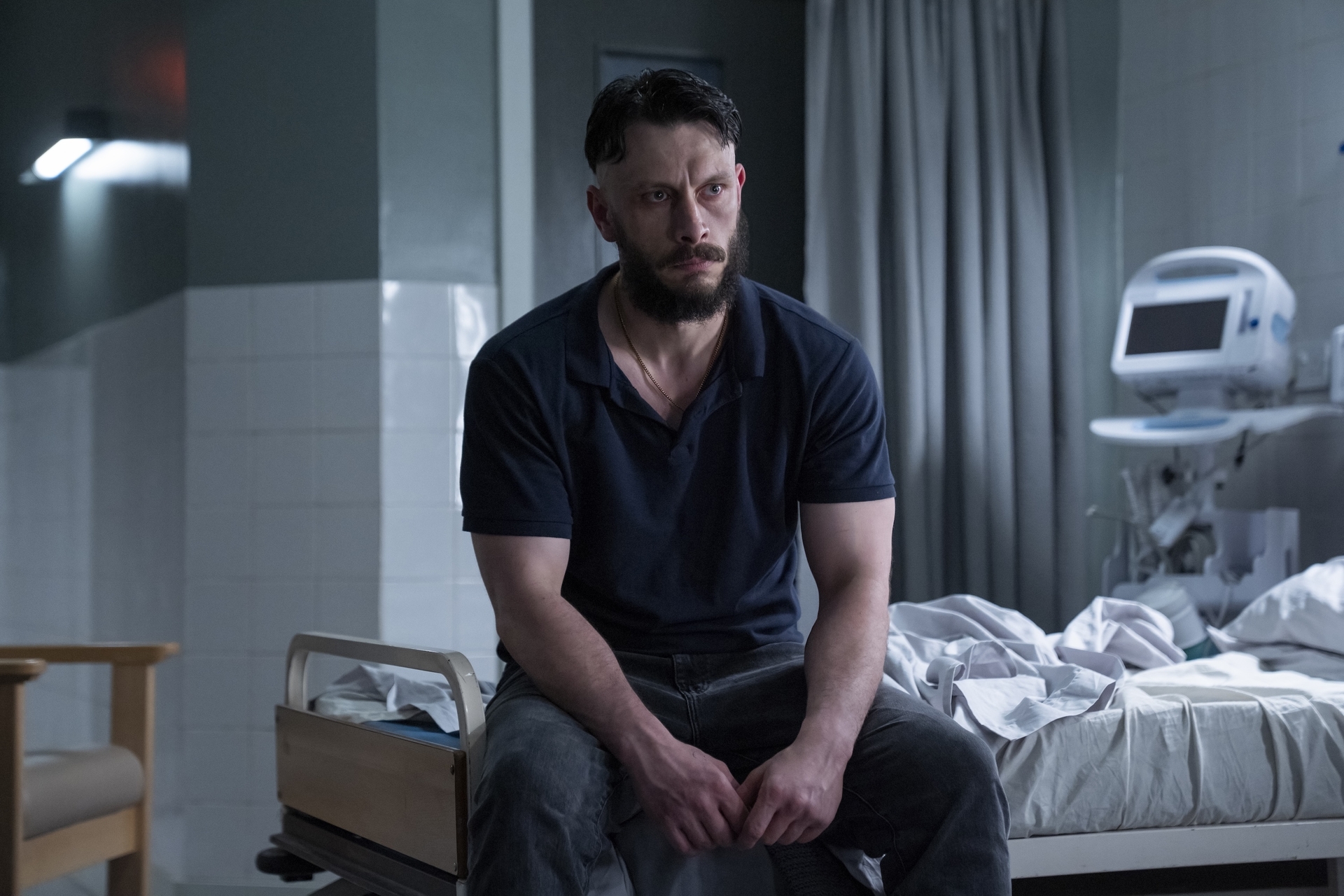
Following Baby Reindeer, Richard Gadd has signed onto another jarring story with Half Man; he continues to push boundaries with his roles as writer, director, and actor.
In this candid interview, he reveals in full detail his physical and spiritual transformation in the BBC and HBO co-production, the intense set traffic during the creation process, and the price of living a character to the marrow.
Using the term “multi-talent” for Richard Gadd is a very accurate choice to define the depth of the work he produces; because Richard Gadd is not just an actor, but an artist who builds his own “creative universe,” personally controlling the entire architecture of the world he creates through its script, dramaturgy, and production process.
BBC and Half Man offer an experience that takes one’s breath away in front of the screen, almost shaking the viewer. So much so that at the end of each episode, the viewer needs a moment of pause to digest that intense emotional burden and recover before moving on to the next episode. The narrative offered by Richard Gadd has such a pure and realistic impact; watching the series transforms into a challenging journey into the darkest corridors of masculinity, rather than just an act of viewing
Half Man: Confronting the Dark Side of Masculinity
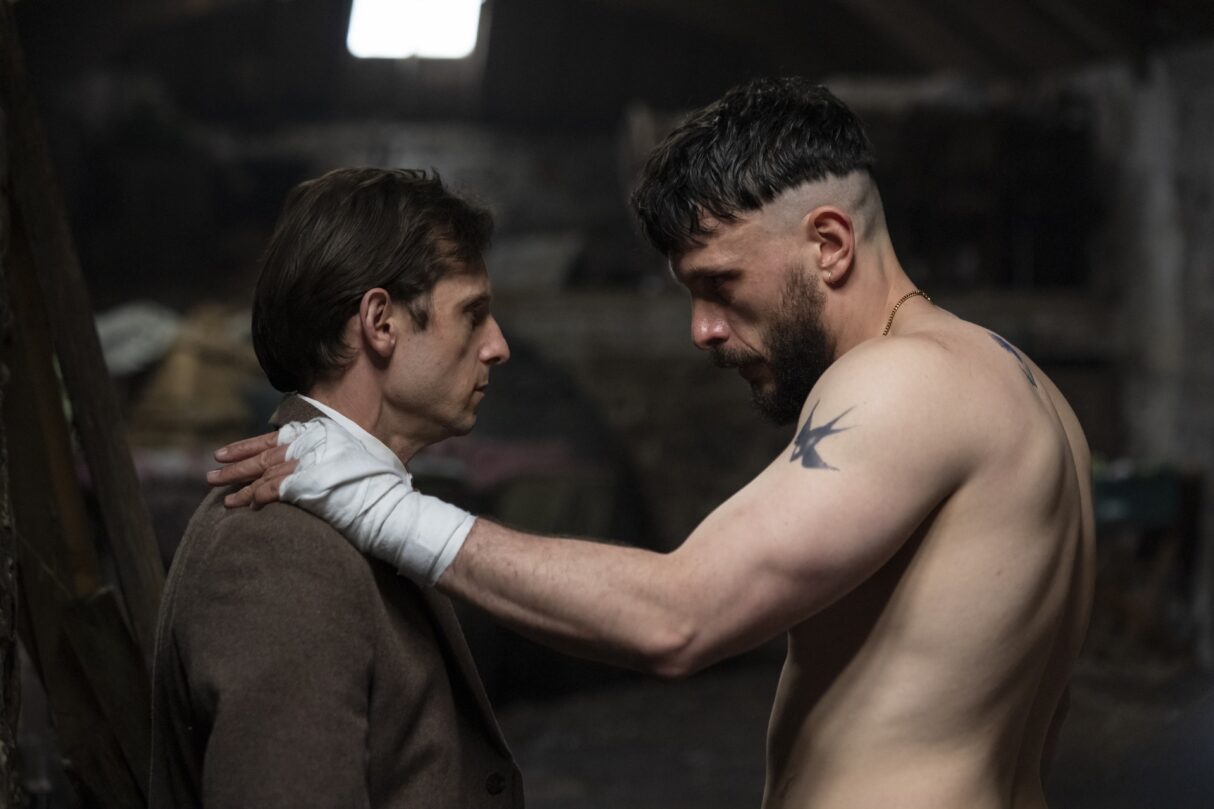
Half Man is, in a single word, a masterpiece; it is a truly powerful drama, thank you for this. Your work has a very strong and sincere impact on the audience. I am sure you have many stories to tell. So, how was the idea for Half Man born? What was the breaking point that made you say, “I must tell this story, this subject of masculinity, right now”?
Actually, I didn’t set out with the intention of a social responsibility project or to solve a specific sociopolitical problem. An idea emerged in my mind about two men who had experienced ruptures in their adult lives. Flashbacks to their childhood help you make sense of how they reached that point.
This idea came to me completely all at once; it was likely a reflection of the intense public debates in the UK regarding men and the source of male violence. A spark of an idea struck, and I pursued it. My main drive is never a social mission, but rather an idea that bothers me and requires me to explore it. That is exactly what happened with Half Man.
I definitely agree; this is certainly a conversation that needs to be had, and you have captured this struggle perfectly. The tension and violence in the series feel visceral; like a punch to the stomach. So, as both the writer and the actor playing the character of Reuben, how do you shed that darkness at the end of the day? How do you decompress after filming such heavy scenes?
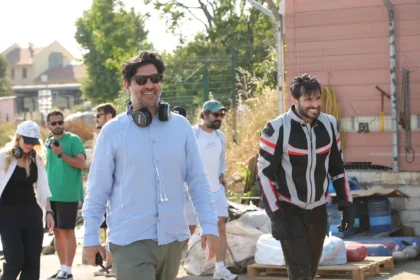
To be honest, I wear so many different “hats” on sets that I don’t have time to decompress. The moment I finish a scene, I go behind the camera; I’m at the monitor, we’re in constant discussion: “How can we get the best version of that scene? What else can we do?” Then I step back in front of the camera.
In other words, if I were doing pure acting, perhaps a process would be necessary, but my job is to deal with the set as a whole. Sometimes I’m crying, shouting, hitting, or breaking things in front of the camera; then “cut” is called, and I immediately turn to my teammates with my director’s hat to talk about our goals for the day and how to overcome practical problems. I don’t have time to “decompress” by myself; I just flow within the process.
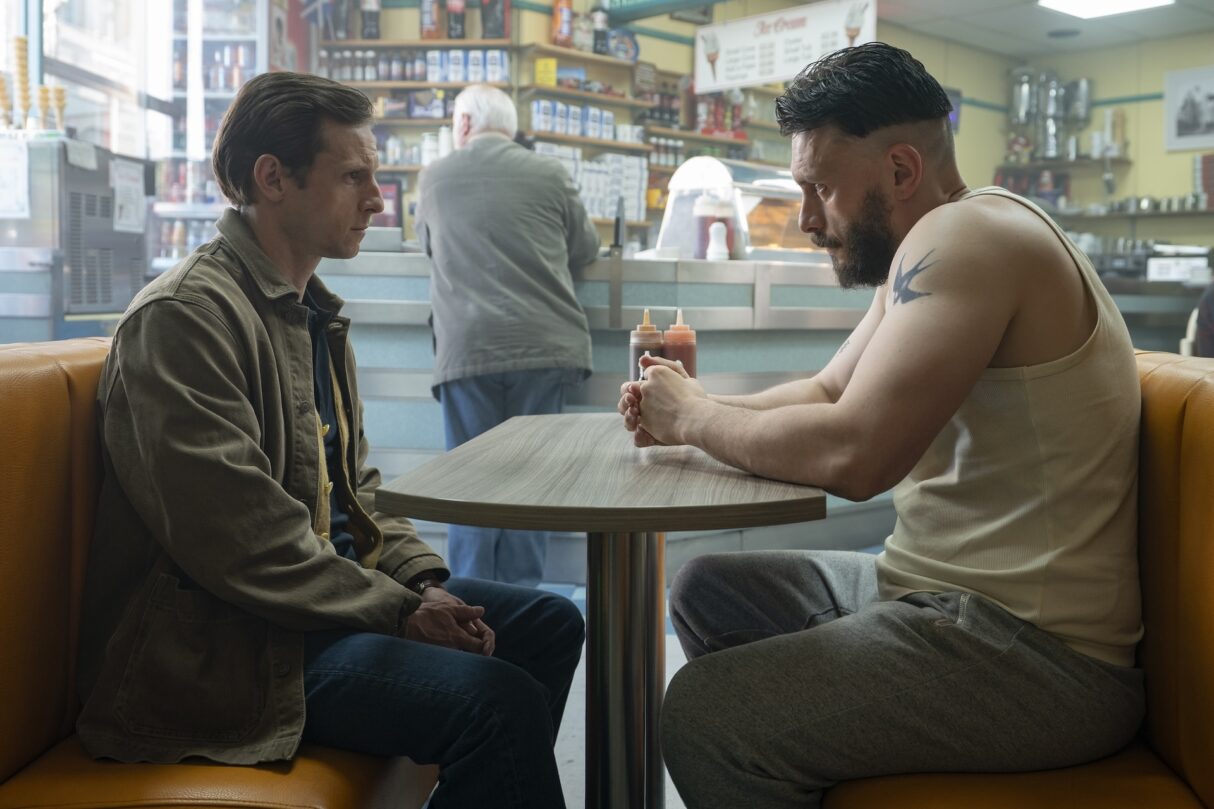
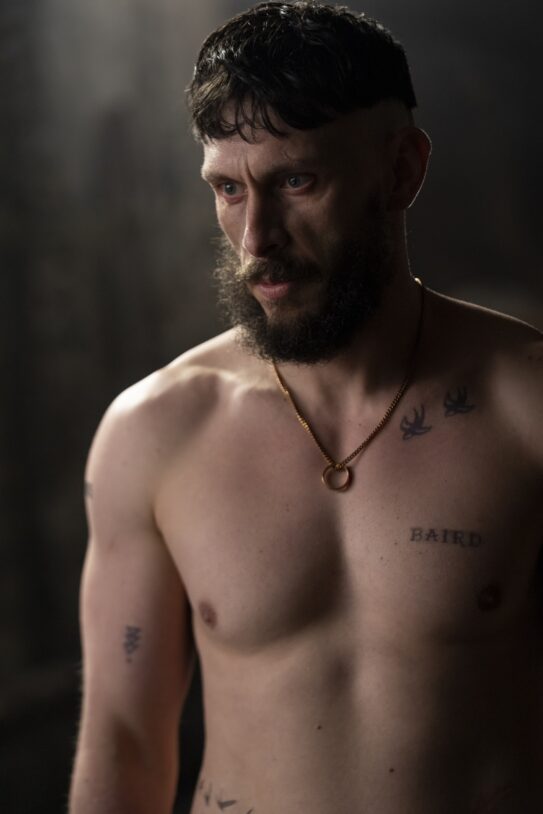
It’s great to see this dedication. This dedication is also clearly visible in your physical transformation. The muscle issue; was this a standard preparation for this role, or was it a kind of “method acting” to feel Reuben’s aggressive “alpha” appearance in your own skin?
I definitely felt that I needed to transform. When I accepted the role of Reuben, I weighed 68.8 kilos while filming Baby Reindeer. I knew I would take the audience on a challenging journey to make them believe that I was the embodiment of masculinity. Being a very different person from Reuben, I was aware that I needed to change.
I hit the gym, worked with a nutritionist and a personal trainer. A chef sent my calorie-calculated meals to Scotland. Throughout the shoot, I never deviated once from my nutrition and training routine. This transformation process was a great help in getting into character.
I also heard that you used specific “playlists” during the shoot. Does music function as a blueprint for the emotional rhythm of the scenes? For example, while writing a tense moment for Reuben, does the music tell you how the scene should “breathe”?
I don’t listen to music while writing. While writing, I mostly listen to music that reflects the soul during writing breaks and create playlists. These playlists reflect the heart and soul of the character. I listen to these playlists when I go for a run or when I’m at the gym; this is a source of creative inspiration. What is surprising is that many songs from these playlists end up in the series; because the songs are actually the elements that trigger those ideas I felt while writing the scene.
The Young Faces of ‘Half Man’ – Exclusive Interview