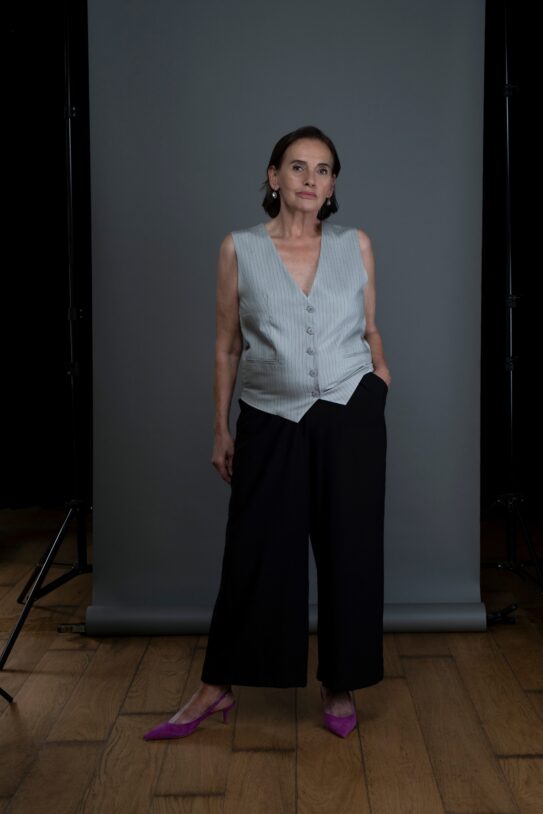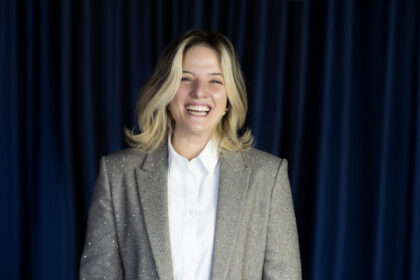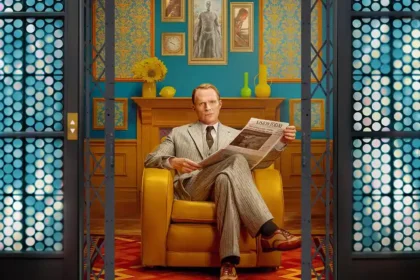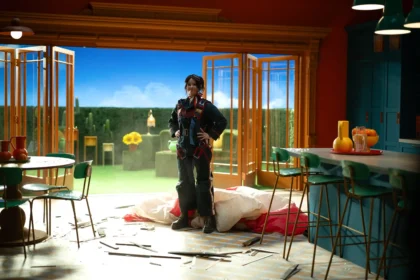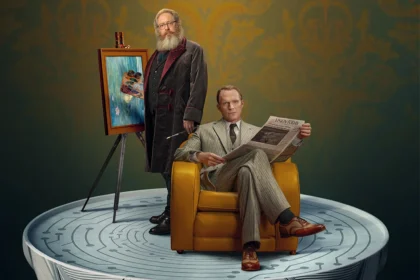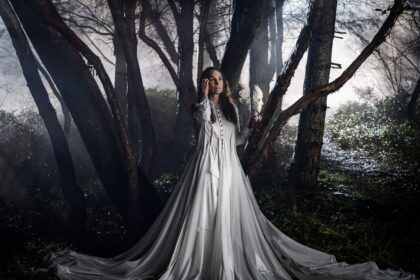




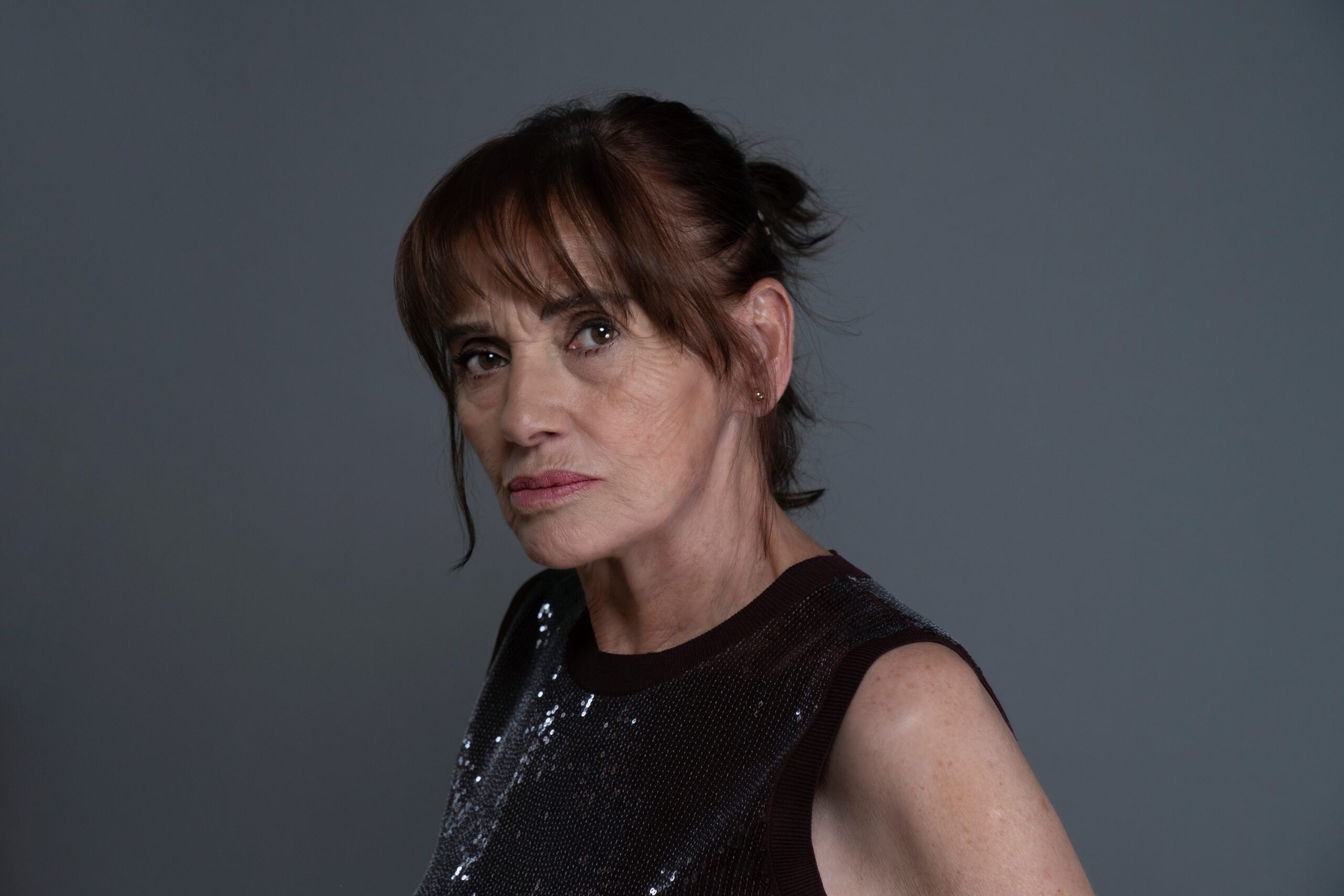
For our NEM Dubrovnik 2026 issue, we spoke with Nur Sürer who plays Cennet on the new Turkish drama Ugly.
At first glance, Cennet appears to be a harsh and distant character, but she possesses a highly layered emotional world inside. What did you feel when you first encountered her?
When I first met Cennet, I sensed that her harshness was actually a defense mechanism she developed against life. Some people cannot show their love openly; their experiences turn them into more distant, more controlled individuals. Inside Cennet, there is an immense fear, a sense of loss, and loneliness. It was that fragile side that affected me the most.
The moment Meryem’s hair is cut turns into a breaking point that defines her life and identity… For Cennet, this is a protective reflex, but at the same time, it is an act of erasing an identity. How did you establish Cennet’s intention when playing this scene?
While playing that scene, I never framed Cennet’s intention through “evil.” On the contrary, I saw a woman trying to protect someone within her own truth. But sometimes the protective instinct can lead a person to very harsh places. While cutting Meryem’s hair, she is actually trying to hide her from life; yet, in doing so, she also interferes with her identity. I think that contradiction was the strongest part of the scene.
A single decision by Cennet defines Meryem’s life and identity. How did it feel to portray a character who carries such a burden?
Playing characters who carry the decisions that define a person’s life is a heavy but very precious experience for an actor. Because Cennet does not act solely on her own fears; she also carries the burden of her past into Meryem’s life. I tried to play by feeling that weight.
While trying to protect Meryem, Cennet makes decisions that restrict her, yet she is also the person who panics the most when something happens to her… She doesn’t even allow Meryem to be ignored. How do you interpret this contradictory state?
Sometimes, a person can limit the one they love the most the most. Because fear can overshadow love. I believe Cennet’s contradiction begins here. She wants to protect Meryem, but she doesn’t have the courage to set her free. Nevertheless, when something truly happens to Meryem, she is the first one to stand up. Because her love is very real.
We sense that there is a wound in Cennet’s past, involving waiting and not finding a reciprocal response. How does her desire to protect Meryem from that same loneliness shape her harsh attitudes?
We feel that in Cennet’s past, there are deep wounds like waiting, not being seen, and not finding a response. This is why she doesn’t want Meryem to experience those same pains. But sometimes, while trying to escape their own wound, a person can narrow the life of the person in front of them. Cennet’s harshness stems partly from this.
Previously in Chrysalis, you played a mother who sets boundaries on her daughter’s body for the sake of protection; now in Ugly, you play Cennet, who tries to protect Meryem by making her invisible… In your opinion, when does a mother’s love cease to be protective and turn into a restricting force?
I think when love starts to narrow the other person’s breathing space, it stops being protection and turns into control. We see this a lot, especially in mother characters. Something that starts with good intentions can over time become something managed by fear. This was the part that affected me in both Chrysalis and Ugly; that fine line within love.
If you could actually sit down and talk with Cennet one day, what would you want to say to her?
I guess I would tell her, “Just let go a little… You can’t truly protect anyone by controlling everything.” Because sometimes, you need to allow the person you love to fall, to make mistakes, and to find their own path.
Ugly is one of the successful series of this season. Which emotion do you think resonated most with the audience, and why was it loved?
I think the audience connected most with the characters’ real emotions. In Ugly, everyone has a wound, a deficiency, a state of protection within them. I believe people found something of themselves. Additionally, the story has a side that delivers its emotion directly, rather than being overly decorative.
Ugly’s global journey is also beginning. How does it feel to know that the series will meet audiences in different countries?
It is very exciting for a story to find a response in different countries as well. Because the emotions being told are actually universal; loneliness, the need for protection, love, fear… These are things everyone can understand. It makes me very happy that Ugly will meet audiences in other geographies as well.