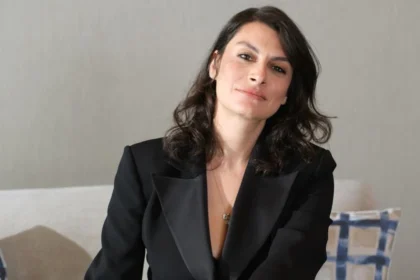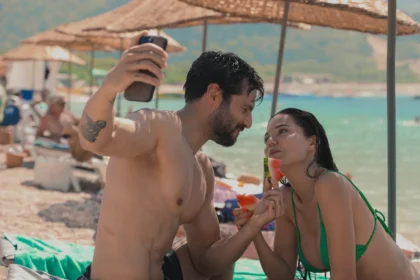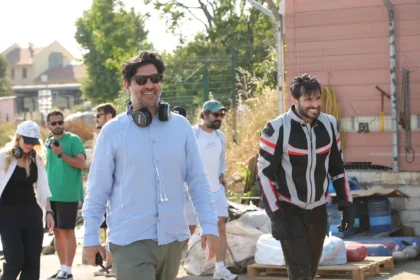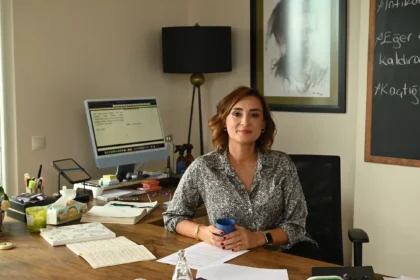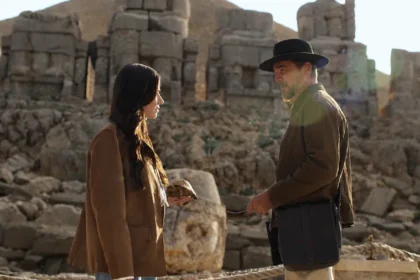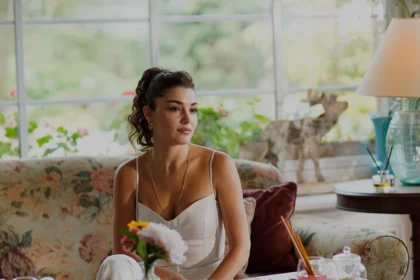





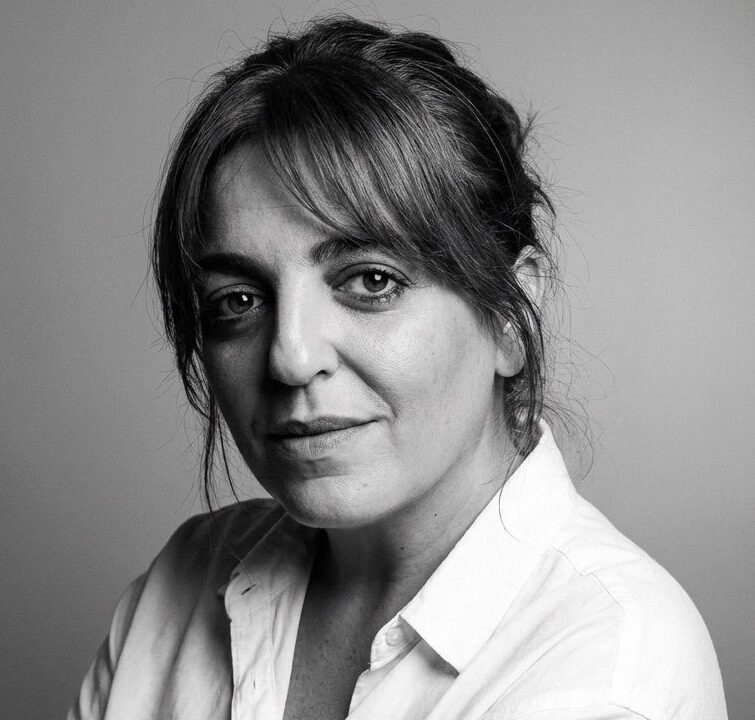
As Episode Magazine, we spoke with Neslihan Yeşilyurt, the director of Disney+ original We’ll Be Fine.
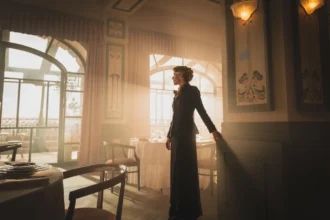
For me, the critical point was this: to create both a romantic dreamlike feeling and a world that is collapsing internally within the same scene. That’s why I never gave any scene over to a single tone. Light, camera, and acting always work slightly against each other. The audience feels ‘this is beautiful’ in one moment, and then feels a quiet discomfort the next. That’s life.”
In our conversation with director Neslihan Yeşilyurt, the first thing that becomes clear is this: this series doesn’t just tell a love story, it constructs an entire emotional state in all its phases.
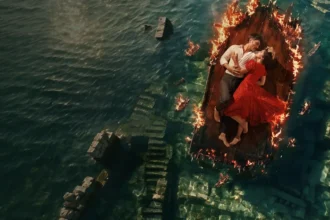
The world we watch in We’ll Be Fine is not built between reality and fantasy, but in the gap between what the characters tell themselves and what they actually live through. What we call a “fairy tale” is what they choose to believe; chaos is what they cannot escape.
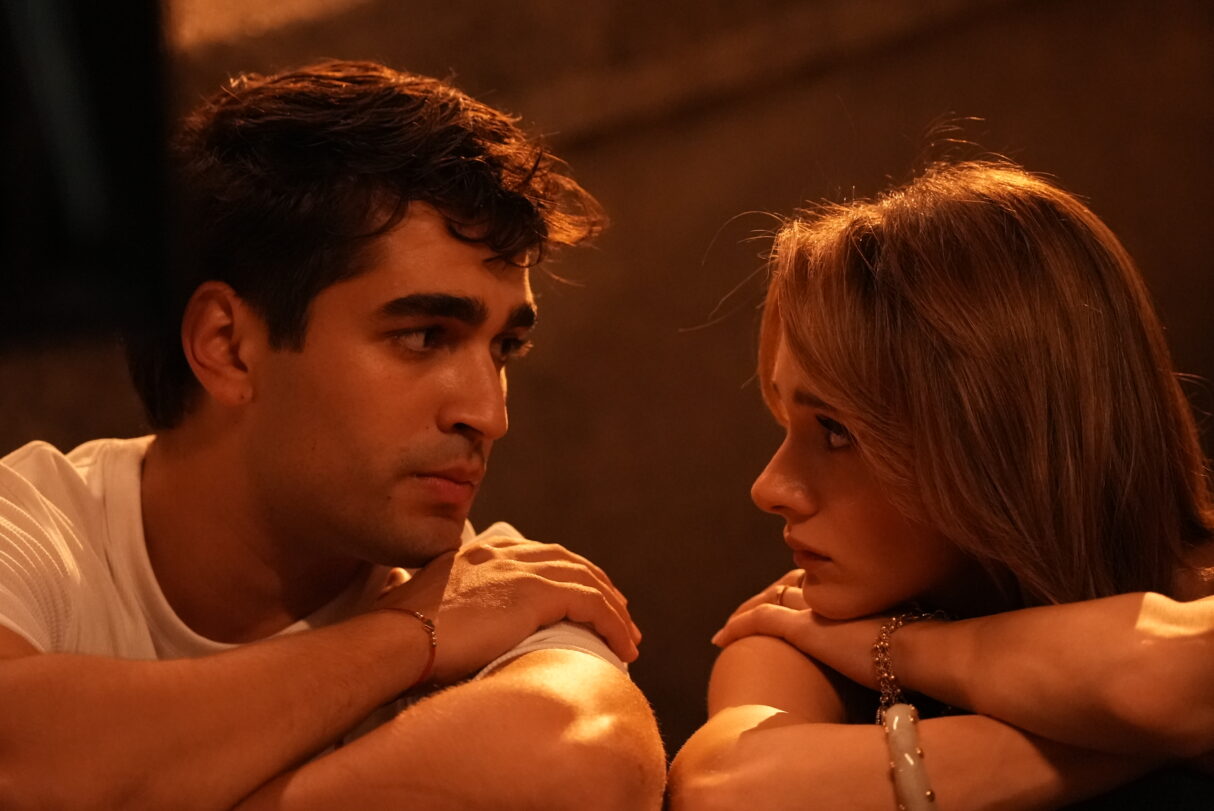
Under Yeşilyurt’s direction, alongside a romantic frame, there is a sense of unease embedded within seemingly romantic moments. Music doesn’t simply support the scene, it often becomes the scene itself.
That’s why, while watching, we don’t just follow what is happening, but what we are feeling. And perhaps the most striking part is this: you begin to question yourself and your understanding of love.
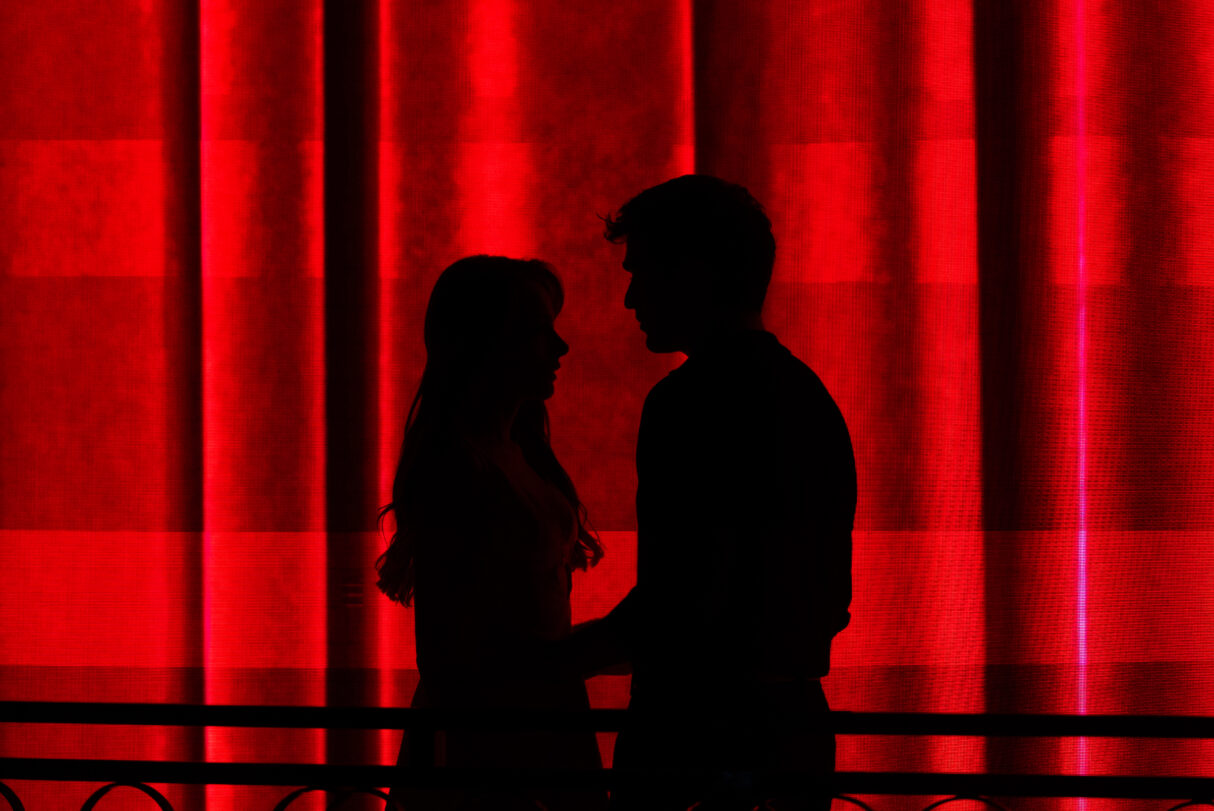
There’s truly a pendulum-like feeling between fairy tale and chaos while watching this series. As a director, where did you begin when building this emotion?
I didn’t start this story from “reality,” but from emotion. Because what happens in this world isn’t rational, it’s the uncontrolled state of emotions. The fairy-tale side is the stories the characters tell themselves. Chaos is what they actually experience.
For me, the critical point was this: to create both a romantic dreamlike feeling and a world that is collapsing internally within the same scene. That’s why I never gave any scene over to a single tone. Light, camera, and acting always work slightly against each other. The audience feels “this is beautiful” in one moment, and then feels a quiet discomfort the next. That’s life.
Lal and Aktan’s story tells a very intense love, but you present it not just as romance, almost like an emotional vortex. How did you design this feeling visually?
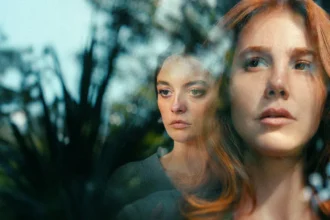
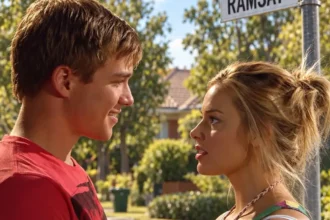
What interests me is not whether two people are good for each other, but what they do to each other. It’s more like the collision of two lonelinesses. And what comes out of that collision isn’t always beautiful. So instead of magnifying romance, I followed the fractures created by that contact. Because for me, the story actually begins there. While building the visual world, I asked myself: why do these people become more fragmented instead of clearer as they get closer?
To express this, the camera sometimes gets too close, leaving no breathing space. Sometimes it pulls away right at the peak of emotion. Moving shots create a sense of lack of control. The lighting doesn’t beautify emotions, it sometimes contaminates them. Instead of placing chaos inside a romantic frame, I chose to create moments of romance within a chaotic world.
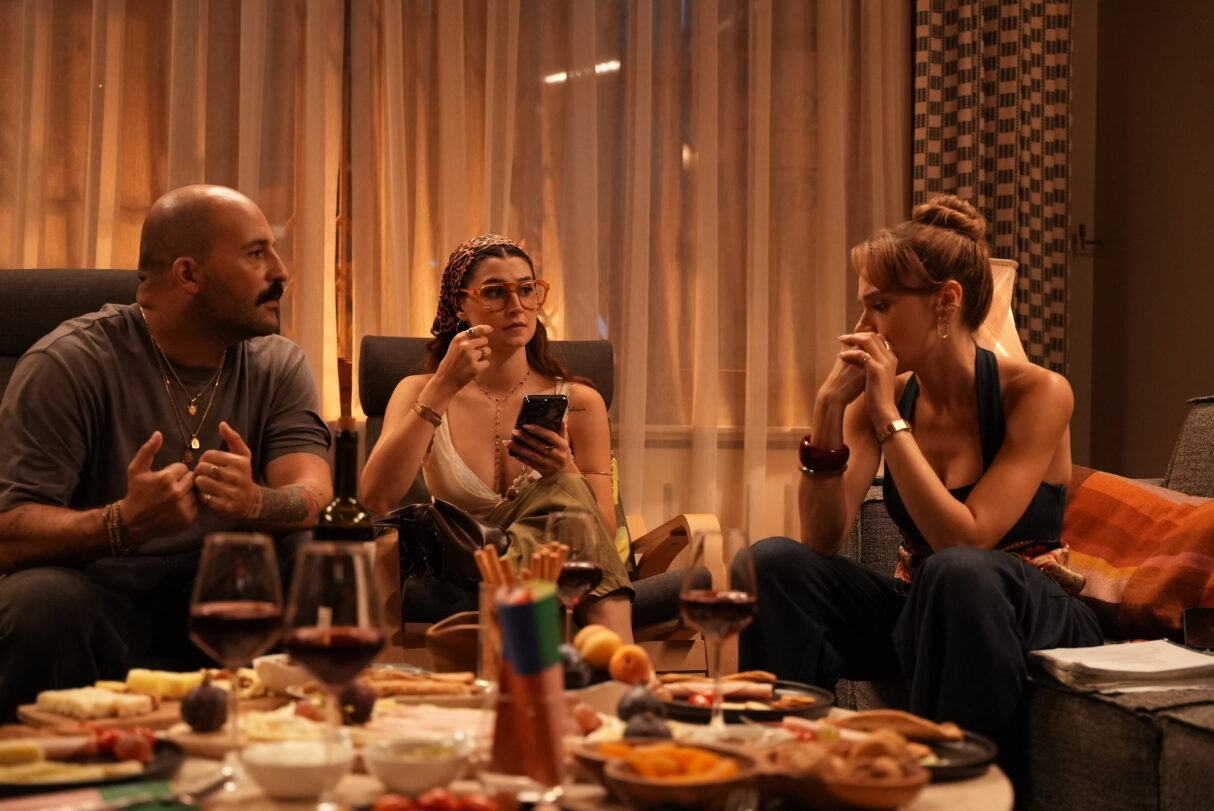
The script was written by Pınar Bulut. What kind of world formed in your mind when you first read it?
There was a huge gap between what these characters say and what they feel. Something very intense is happening inside, but from the outside everything looks “normal.” So I built the narrative language accordingly. The outer world is simple, sometimes almost ordinary. But as the camera moves inward, the character’s emotions take over the scene.
The detail shots in the series are very powerful. Sometimes a glance, sometimes a hand movement completely changes the emotional tone of a scene. Do these details hold a special place in your storytelling?
For me, the real story is often not in the dialogue, but in the details. Because people don’t tell the truth, the body does. A trembling hand, a shifting gaze, someone looking at something a little too long… these are the real breaking points of a scene for me. Sometimes those detail shots reveal the “true meaning” of the scene. While the dialogue tells one thing, the detail tells us the truth.
I don’t build scenes through dialogue. Dialogue is often the character’s way of protecting themselves. What matters is what they cannot control. That’s why the camera always goes to those missed moments, the moment someone falls silent, avoids eye contact, doesn’t know where to place their hands…
Your use of music is very striking. While watching some scenes, it almost feels like we’re watching a high-production music video. Where do you place music in your storytelling?
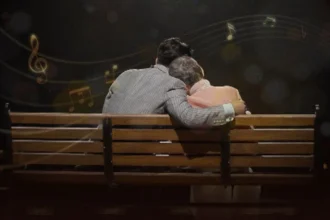
I don’t use music as support. Sometimes music is the scene. In some moments, music says what the characters cannot say. Sometimes it even carries the scene forward, going beyond the actor. That “music video” feeling is a conscious choice.
Because in those moments, we step out of classical storytelling. Time stretches, reality slightly fractures, and we enter the character’s inner world. So music is not used to amplify emotion, but to enter it.