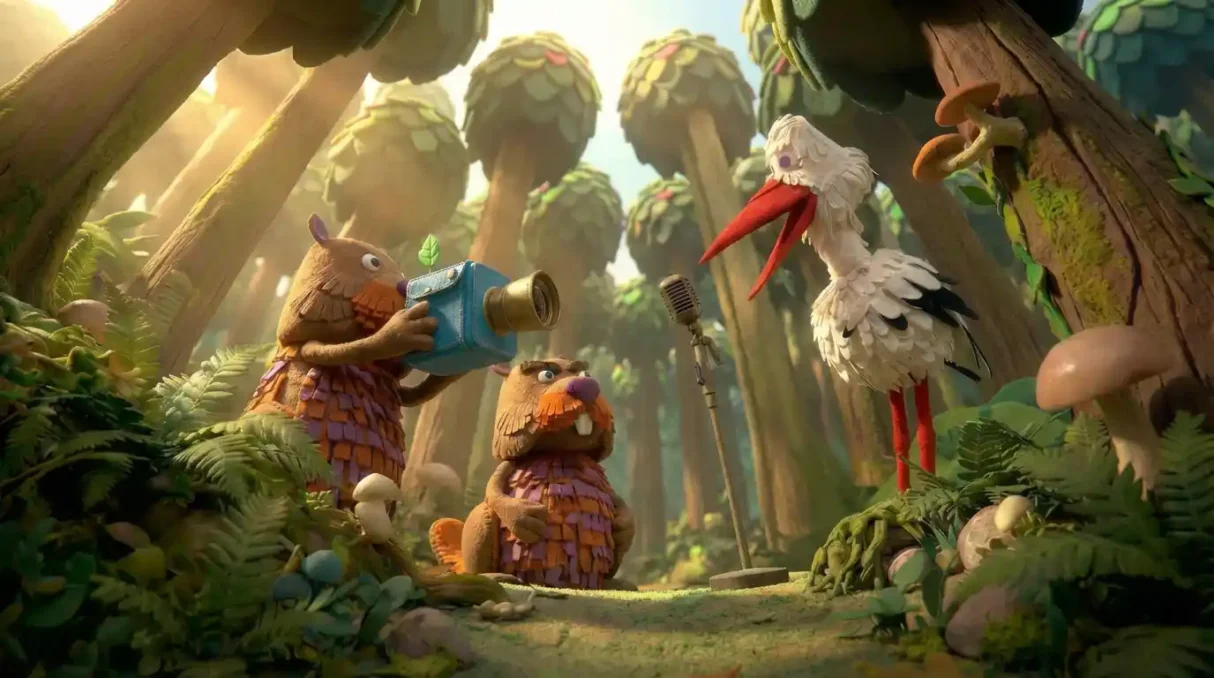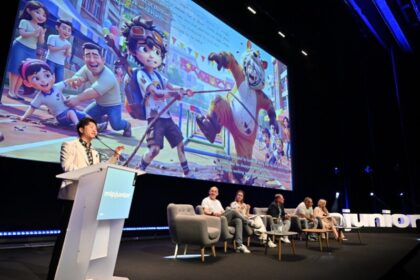




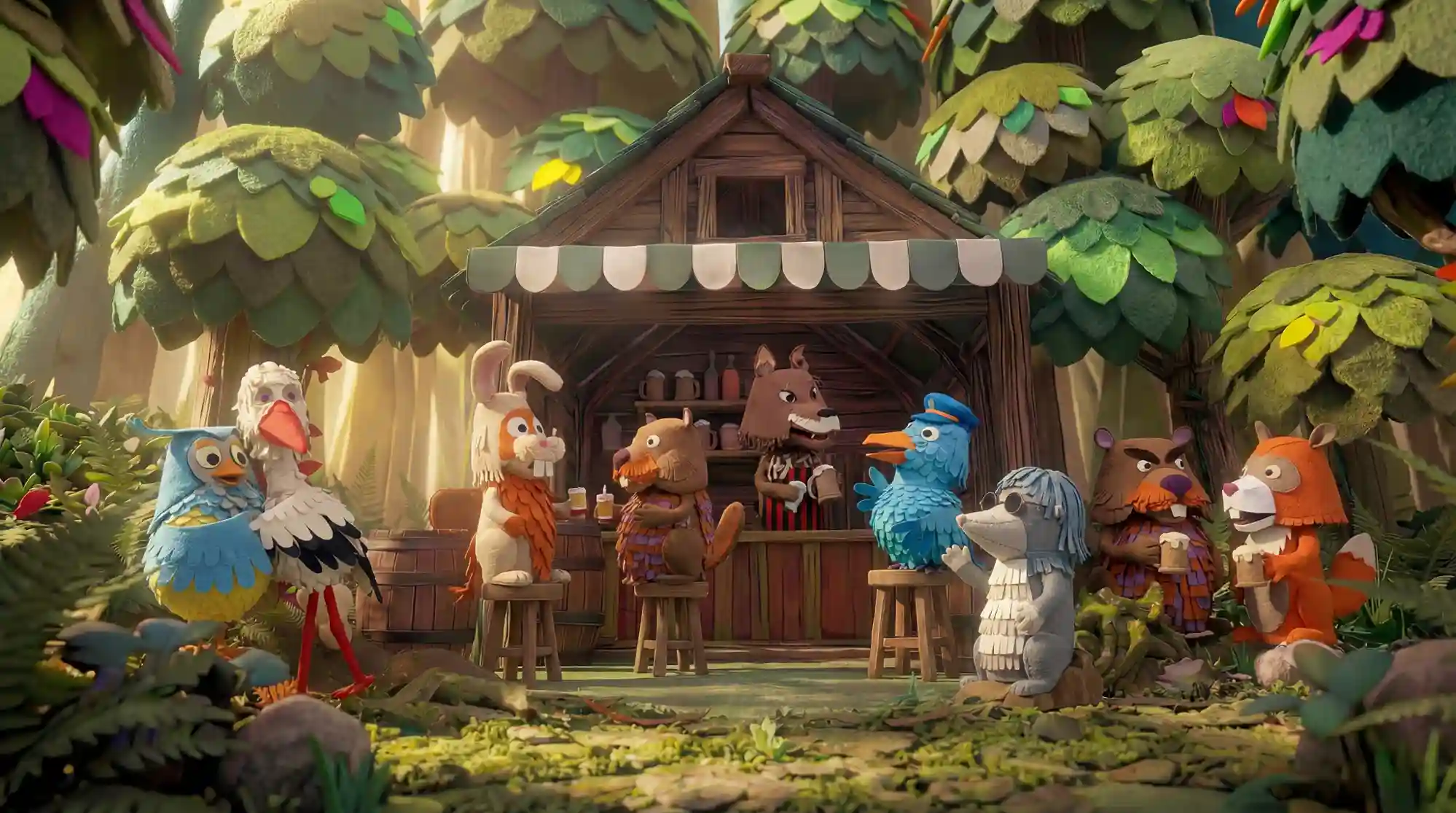
Nearly six decades after first capturing audiences’ hearts, the beloved Dutch children’s television classic De Fabeltjeskrant returns with Daily Fable News, a new 3D animated series bringing the Great Animal Forest to a new generation.
Making its international industry debut at MIPCOM 2026 in Cannes, the series reimagines the iconic world for today’s young audiences while preserving the humour, warmth and timeless themes that made the original so special.
We sat down with Robin de Levita and Victor Knaap of Monks to discuss the creative vision behind the revival, adapting the beloved characters for contemporary audiences, and the universal messages of friendship, acceptance and cooperation at the heart of Daily Fable News.
De Fabeltjeskrant has been beloved for nearly six decades. What made you feel this was the right time to bring the Great Animal Forest back to life?
ROBIN DE LEVITA: The world has changed enormously since 1968, but people haven’t changed nearly as much. We still struggle with the same things: understanding each other, accepting differences and finding our place in a community.
What makes De Fabeltjeskrant so special is that it addresses these very human issues through humour and wonderfully imperfect animal characters. I believe those stories are just as relevant today, perhaps even more so. And with today’s creative possibilities, we have an opportunity to introduce this extraordinary world to a completely new generation.
The original series first aired in 1968. How have the characters and the world of Daily Fable News been adapted to reflect today’s society and younger audiences?
VICTOR KNAAP – MONKS: Today’s children grow up in a world of constant communication, endless information and many different perspectives. We wanted the Great Animal Forest to reflect that reality, but without losing the charm moral and humour that made the original so special.
The characters still have their familiar personalities, quirks and disagreements. What has changed is how they interact with the world around them. Their attempts to communicate, collaborate and make sense of everyday events create situations that feel surprisingly familiar to today’s audiences.
The challenge was to make the series feel contemporary without losing its identity.
The series explores themes such as friendship, acceptance and cooperation through a news programme run by the animals themselves. Why did you choose this format to tell these stories?
ROBIN DE LEVITA: The news format is part of the original DNA of De Fabeltjeskrant. Mister Owl was always the storyteller who helped viewers make sense of what was happening in the forest.
We wanted to take that idea a step further by letting the animals become involved in creating the news themselves. And naturally, things don’t always go according to plan.
It’s a wonderful storytelling device because it brings together different personalities, perspectives and ambitions. Everyone thinks their story is the most important one. Learning to listen to each other and work together becomes part of the comedy.
The new series introduces a contemporary visual identity while retaining the original’s warm, handcrafted feel. How did you approach balancing nostalgia with modern animation technology?
VICTOR KNAAP – MONKS: For us, the starting point was never technology. It was the feeling people associate with the original series: warmth, personality and a world that feels almost handmade. With handcrafted characters.
Using modern 3D CGI animation, we’ve developed a visual style that preserves that tactile quality while giving the characters and their environment a fresh, contemporary look.
We didn’t want to simply recreate the past. We wanted to capture what made it special and translate that into something children today would immediately connect with.
Technology gives us new creative possibilities, but the heart of the series remains its characters and storytelling.
With Daily Fable News making its internaational industry debut at MIPCOM, what do you hope international buyers and audiences will connect with most?
ROBIN DE LEVITA: I hope they’ll recognise that these are universal stories. You don’t need to know the original series or have grown up in the Netherlands to understand these characters.
Friendship, misunderstandings, different opinions and the challenges of living together are experiences that children everywhere can relate to.
The original De Fabeltjeskrant reached audiences in 40 countries, which shows that this world has always had international appeal. With Daily Fable News, we want to build on that legacy while creating something that feels completely fresh and relevant for today’s children.
If children could take away just one message from Daily Fable News, what would you want it to be?
VICTOR KNAAP – MONKS: That being different doesn’t mean you can’t belong together.
The animals in the Great Animal Forest have different personalities, opinions and ambitions. They disagree, misunderstand each other and sometimes create complete chaos. But they also discover that listening, helping one another and working together makes their community stronger.
It’s a simple but important message, especially today. And we want to deliver it through humour and entertainment, not by telling children what to think.