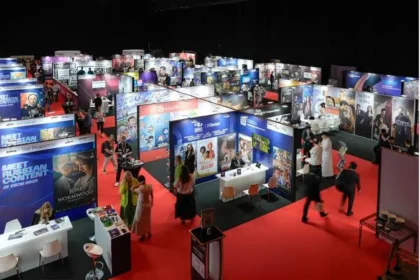





Zeynep Sipahi explores the global rise of Korean dramas in our November issue, while also taking a closer look at some of the most noteworthy recent productions.
Once upon a time, the term Korean drama brought to mind romantic stories, impossible love affairs, family dramas and long, lingering glances reminiscent of classic Yeşilçam cinema. Today, however, that definition has expanded, transforming into a massive content economy that reaches billions of hours in viewing time, produces global hits across different genres and sells stories to the television industries of numerous countries.
The rise of South Korean television productions in recent years is undeniable, and it would be insufficient to interpret this success merely as a story that began with Squid Game. Today, South Korea has a content economy that goes beyond producing television series: it develops stories, creates intellectual property, builds worldwide distribution networks, influences the television industries of other countries and changes the consumption habits of popular culture.
To understand the success Korean dramas enjoy today, we need to go back to the late 1990s, when digital platforms were not part of our lives and even the internet was still taking its first baby steps. Television dramas and popular TV programmes played an important role in South Korea’s cultural export strategy, known as “Hallyu”, or the Korean Wave. Korean dramas first made a major international breakthrough in Japan, China and Southeast Asian markets. The success of K-dramas such as Winter Sonata (2002), Jewel in the Palace (2003) and Full House (2004) was about much more than viewing figures. Along with Korean dramas, their soundtracks, actors’ clothing, food and lifestyles also began to be exported. In a sense, these series became one of South Korea’s instruments of cultural diplomacy.
Following this period, romantic dramas emerged as a genre that continues to be a powerful export product today. With strong melodrama, romance, emotional intensity, aesthetic cinematography and stories focused on the personal transformations of their characters, Korean dramas established a distinct narrative identity in the international market. The rise that had initially been concentrated in Asia began to spread globally approximately ten years ago. Looking back at that period, we can identify two significant turning points in the Korean television industry. One was, as you might expect, the growing dominance of digital platforms in the television and film industries. But the more important development for the Korean drama industry was that productions were increasingly moving beyond the romantic drama genre.
Korean dramas began attracting international audiences by producing content across genres such as crime, thriller, fantasy, dystopia and social commentary. In other words, before Squid Game became a global phenomenon, we had already begun hearing its footsteps through productions such as Goblin (2016), Crash Landing on You (2019), Itaewon Class (2020), Kingdom (2019) and The World of the Married (2020). Kingdom, in particular, brought together Korean history and zombie storytelling, combining the aesthetics of the country’s traditional period dramas with the global horror genre. It was one of the important indications that Korean dramas could no longer be defined solely by romantic stories.

The Impact of Digital Platforms on the Rise of Korean Dramas
The production that has placed South Korea at the centre of the global content economy over the past five years is Squid Game, which premiered in 2021. The series proved that content produced in languages other than English could take centre stage in mainstream culture on a global scale. Productions such as The Glory (2022), Extraordinary Attorney Woo (2022), All of Us Are Dead (2022), Queen of Tears (2024) and When Life Gives You Tangerines (2025) further demonstrated the industry’s rise.
One factor that should not be overlooked is that Korean dramas have not abandoned their own cultural identities in order to reach international audiences. Korean productions have created a global audience by combining dynamics specific to Korean society, such as family relationships, class differences, social pressure, competition, love, revenge, hierarchy and the desire for success, with universal emotions. This has also proved to be a highly effective model for cultural exports.
Of course, digital streaming platforms have played a decisive role in the international success of Korean dramas. In particular, the fact that digital platforms began investing heavily in South Korean content from 2023 onwards was one of the most important developments accelerating the industry’s growth on a global scale.
Disney+, for example, invested in ambitious productions, particularly in the action, crime, fantasy and thriller genres. Its notable titles included Moving (2023), The Worst of Evil (2023), A Shop for Killers (2024), The Tyrant (2024) and Light Shop (2024). Disney+’s strategy was to combine Korea’s strong casts and production quality, which is close to cinematic standards, with the international platform’s brand power. An important aspect of this model was that Korean dramas could reach global audiences not only through romantic comedies and coming-of-age dramas, but also through action and fantasy stories requiring higher production values. In this way, Korean dramas established a strong presence on a global scale through different platforms.
Korea Exports Stories, Not Just TV Series
The interest of streaming platforms in Korean content does not revolve solely around commissioning new productions. International broadcasting rights for previously produced series that have already proven successful in their home market are becoming increasingly valuable as well. This is an important indicator of how far the Korean drama industry has come, because there is a significant difference between a country’s television series being watched in other countries and its format being purchased and remade locally with domestic actors.
This adaptation network, stretching from Türkiye to Japan and from the United States to Thailand, demonstrates that Korea has also become a major player in script and format exports. Türkiye, in particular, is one of the important markets producing local adaptations of Korean dramas.
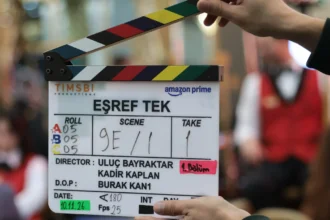
To give a few examples, A Miracle (Mucize Doktor), which broke ratings records in the Turkish television industry, was adapted from Good Doctor; Unfaithful (Sadakatsiz) was adapted from The World of the Married; and Mother (Anne) was adapted from the production Mother. These examples show how Korean stories can be reimagined in Türkiye through local social and cultural dynamics.
Before moving on to some of the standout Korean productions, it is worth noting one thing. Despite all this success, the Korean drama industry is currently facing a major crisis, just as it is in our country. Production numbers are steadily declining. As the production quality of Korean dramas rises, so do their costs.
The decline in the number of productions makes it more difficult for new screenwriters to realise their second projects, for supporting actors to get leading roles and for young crew members to move into directing. But that is a subject for another article… Now, let’s take a look at some of the Korean dramas that have made the biggest impact recently.
Notable Korean Dramas
Perfect Crown

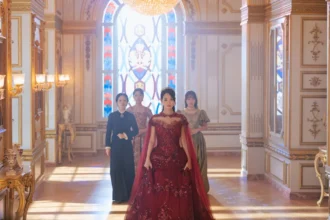
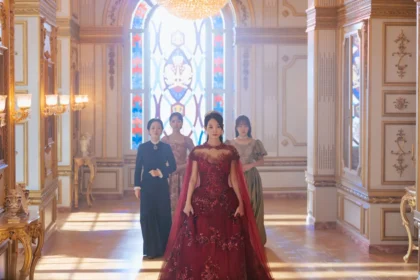
Perfect Crown stands out on Disney+ as one of the platform’s most-watched Korean productions worldwide. One of the series’ greatest strengths is the way it combines the familiar dynamics of a romantic comedy with the concept of alternate history. Palace intrigue, dynastic traditions and the centres of economic power in modern Korea come together within the same narrative. In short, the series presents an alternative reality in which contemporary Korea is governed by a constitutional monarchy.
At first glance, Perfect Crown follows a familiar romantic comedy formula. It tells the story of the relationship between Sung Hee Joo, who has everything but remains an ordinary person in terms of social status, and Prince Lee Ahn, the king’s son who has nothing despite his royal position. What begins as an entirely pragmatic arrangement gradually turns into an emotional relationship, allowing the series to explore issues of class differences, privilege, power and individual freedom.
The show’s costume and production design, in particular, reinterpret traditional Korean aesthetics through a contemporary visual approach. In this respect, the production has attracted international audiences not only with its romantic storyline but also with its distinctive cultural visual language.
Made in Korea
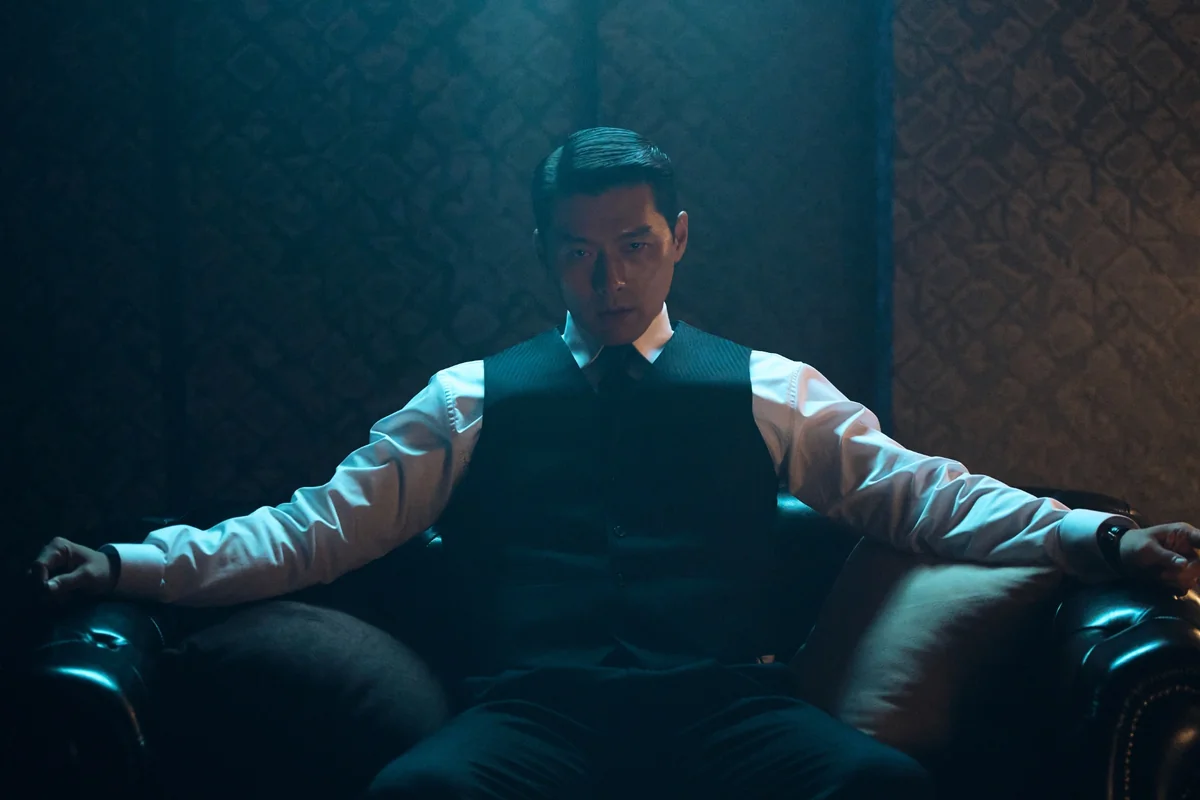
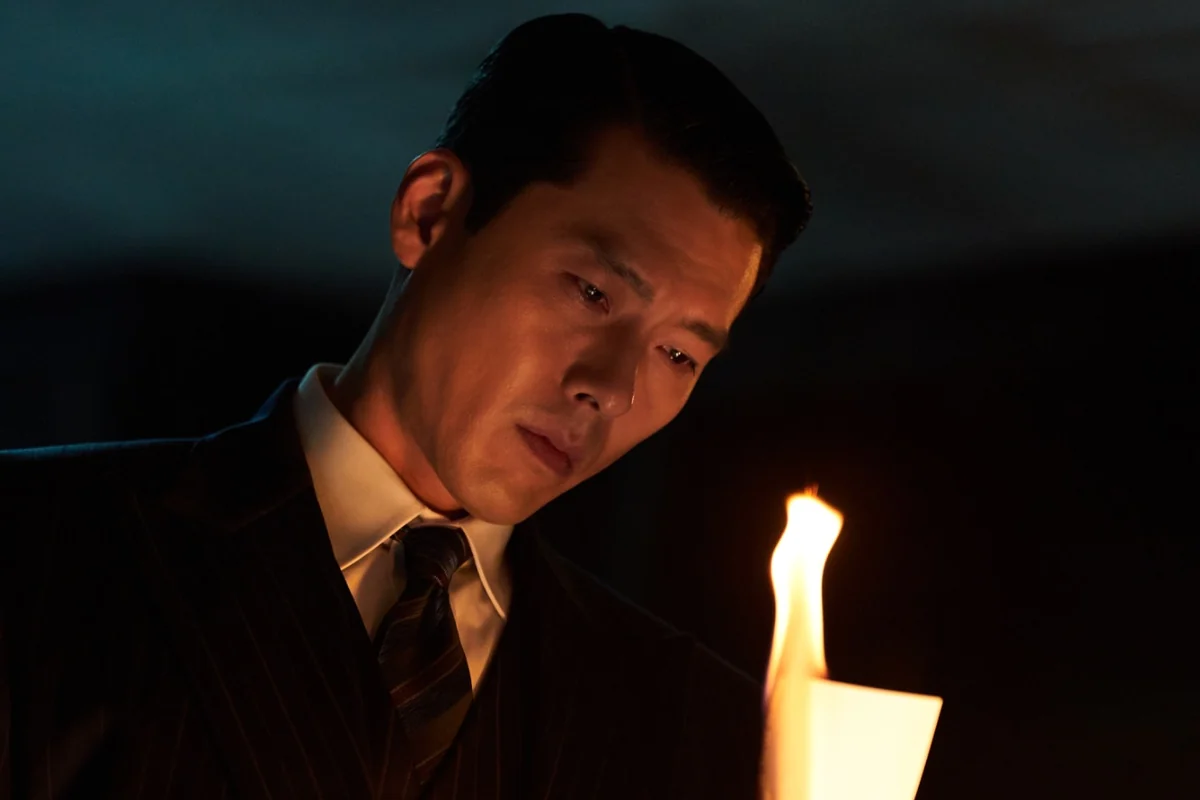
If you enjoy political thrillers and period dramas, Made in Korea is a production that will take you back to South Korea in the 1970s. Although the series is set during a period when the country was undergoing rapid economic transformation and the influence of political power and security institutions over society was strongly felt, it does not settle for a nostalgic period narrative. Instead, it tells a dark crime story centred on the relationship between power, money, political authority and personal ambition.
The story follows Baek Ki Tae, driven by his ambition for wealth and power, and prosecutor Jang Geon Young, who is willing to sacrifice everything to stop him. Going beyond a simple criminal-versus-police chase, the series reveals how the political order of the period became intertwined with individual ambitions for power.
According to data released by Disney+, the series became the most-watched Korean production worldwide among the Korean titles released on the platform in 2025, based on its viewing performance during its first 48 days. This success makes it one of the important examples demonstrating that Korean dramas can reach international audiences through more than just romance and melodrama.
Doctor on the Edge
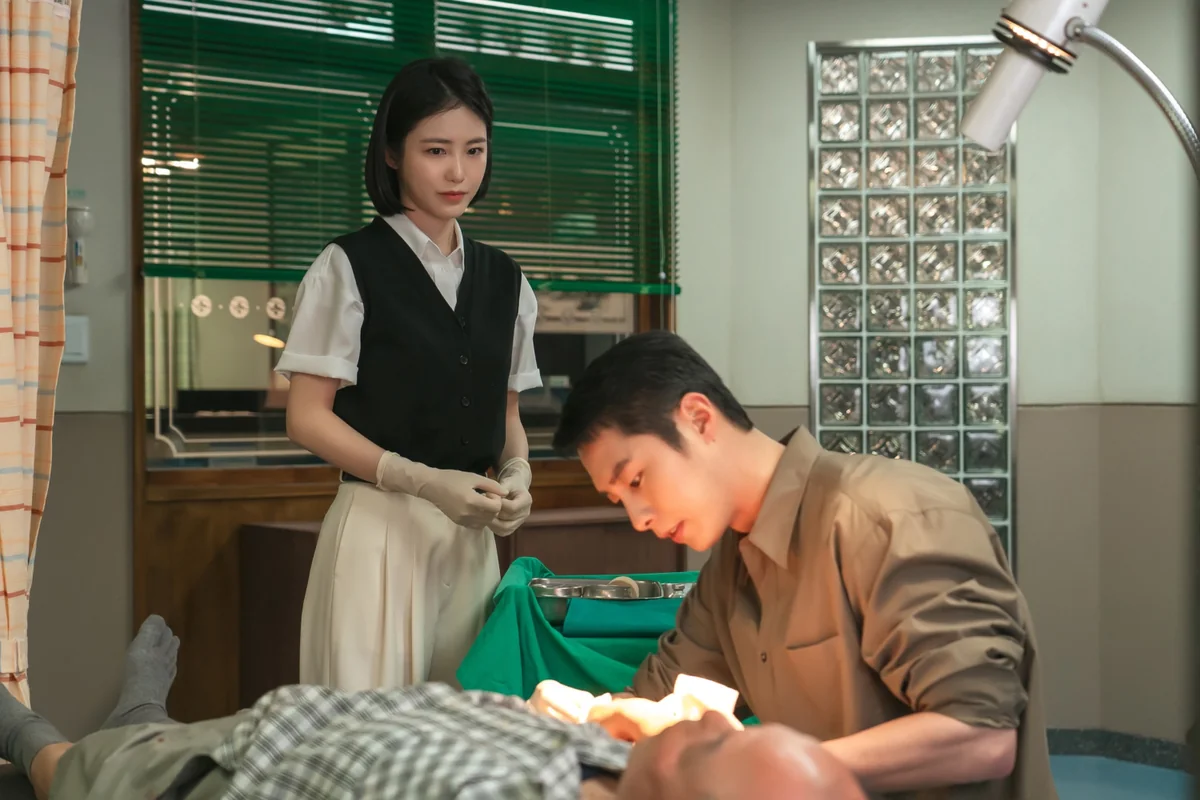
Streaming on Disney+, Doctor on the Edge brings viewers a story in which a doctor must confront not only their professional challenges but also their own fears. Much like Good Doctor, the series moves away from the familiar hospital corridors of the medical drama genre and takes viewers to a small, isolated Korean island. The protagonist, Do Ji-ui, is a successful plastic surgeon accustomed to city life.
However, when an unexpected assignment takes him to a remote island to work as a public health doctor, his life changes completely. While Ji-ui’s relationship with the island’s residents initially turns into a struggle to adapt, the arrival of nurse Yuk Ha-ri begins to shape the emotional core of the story.
The series is not simply about a doctor adjusting to a new workplace. It also explores how people rediscover who they are when they are taken away from the environment in which they feel safe. In this respect, it offers insights into human psychology and existential questions, rather than following the conventions of a traditional medical drama. Consisting of 12 episodes, the production offers a different alternative, particularly for viewers who enjoy warmer, character-driven Korean dramas.
Battle of Fates
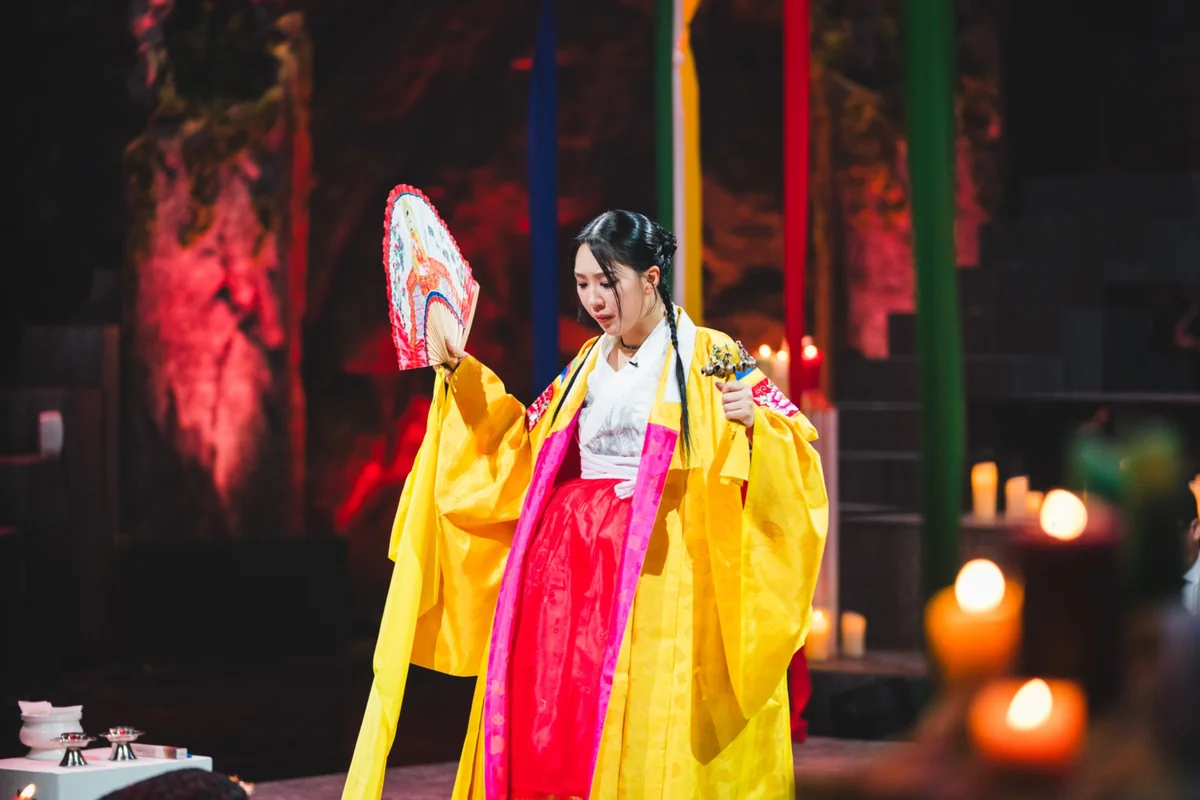
Battle of Fates is not a scripted series, but a striking and unconventional reality show. It brings fortune-telling and prophecy practices, which hold an important place in Korean culture, to the screen. What makes this production interesting is the way it transforms supernatural claims into an entertainment format while also making the relationship between traditional beliefs and contemporary popular culture visible.
The programme does not present prophecy and fortune-telling merely as elements of folklore. Instead, it reshapes them around competition, performance and audience curiosity. The participants’ different methods, personalities and ways of interpreting events also form the programme’s dramatic structure.
The show features 49 participants working in traditional interpretive fields, including shamans, tarot readers, face-reading experts and practitioners of saju, an ancient tradition of astrology and character analysis. Every task given to the contestants raises a new question about what will happen in the next stage. As a result, viewers’ curiosity remains constantly engaged. This is also the secret behind the success of Battle of Fates, one of Disney+’s most-watched Korean productions.
A Shop for Killers
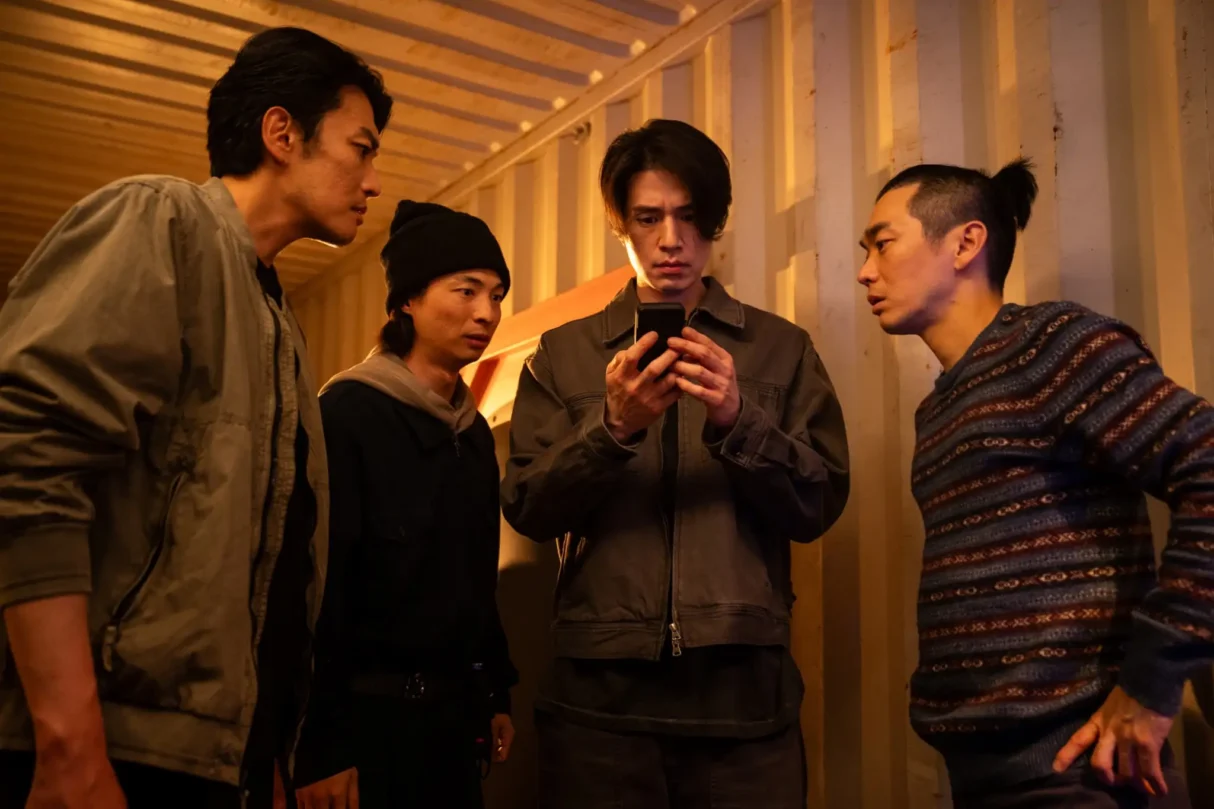
How dark a world could be hidden behind a shopping mall? Starting from this question, A Shop for Killers places an ordinary-looking location at the centre of a fight for survival. With its second season premiering on Disney+ in July, the series begins when Jian discovers long-hidden truths following her uncle’s sudden death.
Finding herself in a deadly underground world filled with assassins and criminal organisations, Jian struggles to survive while trying to uncover dangerous secrets.
As what Jian learns about her past becomes connected to the threats she faces in the present, the shopping mall turns into much more than an ordinary commercial space. The production’s greatest narrative strength lies in the parallel structure it establishes between the past and the present. The flashbacks to Jian’s childhood and her relationship with her uncle are not used merely to explain the characters’ histories; they also reshape our understanding of the causes and consequences of the events unfolding in the present.
Squid Game
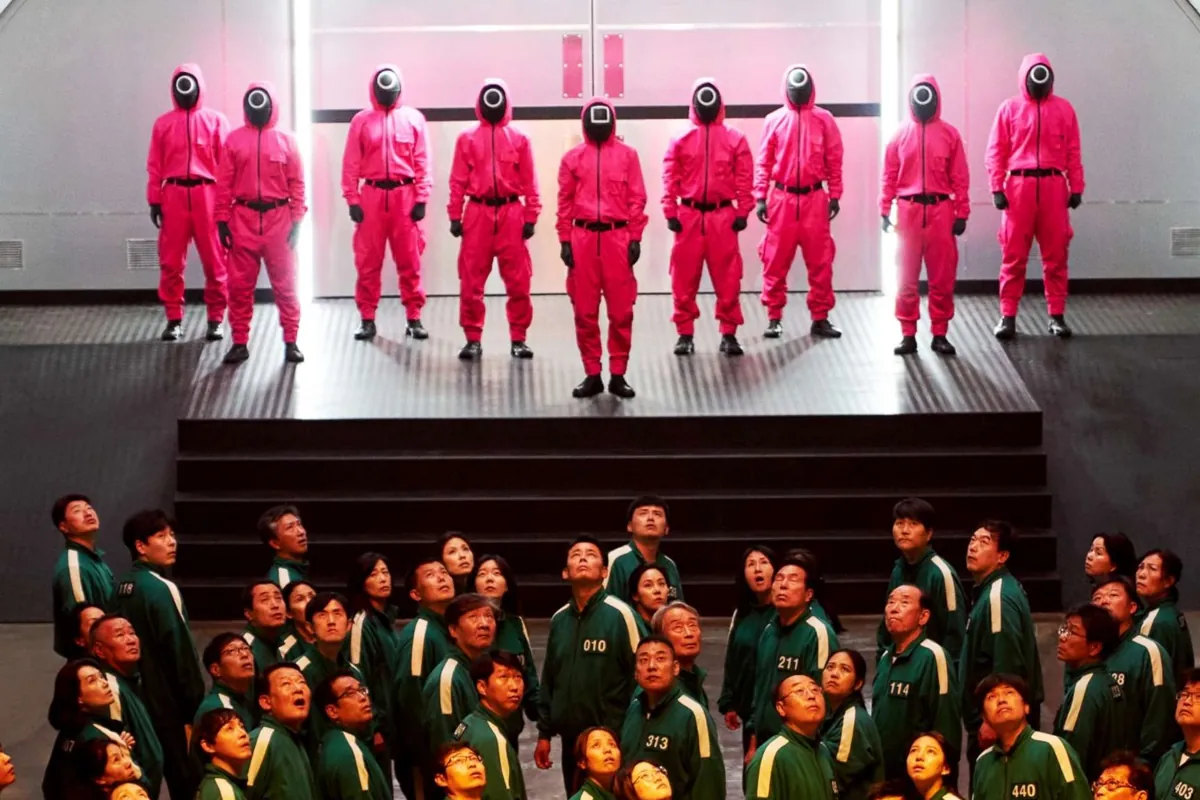
It would be impossible to talk about South Korean dramas without mentioning Squid Game. After all, the series has played a huge role in turning Korean dramas into a global phenomenon. With its three seasons, it has reached a total of 587 million views and approximately 4.37 billion hours of viewing time, achieving one of the greatest global successes in Netflix history.
The series follows 456 people trapped in debt as they take part in a deadly competition based on children’s games. At its core, however, it questions capitalism, class inequality and the instinct to survive. What distinguishes the series from similar dystopian productions is the way it contrasts an extremely dark story with the innocence of children’s games. Its pastel-coloured playgrounds, pink jumpsuits, geometric masks and memorable visual language have transformed it from a television production into a part of popular culture. Moreover, it has succeeded in combining references specific to Korean society with a universal story of economic and social desperation.
Death’s Game
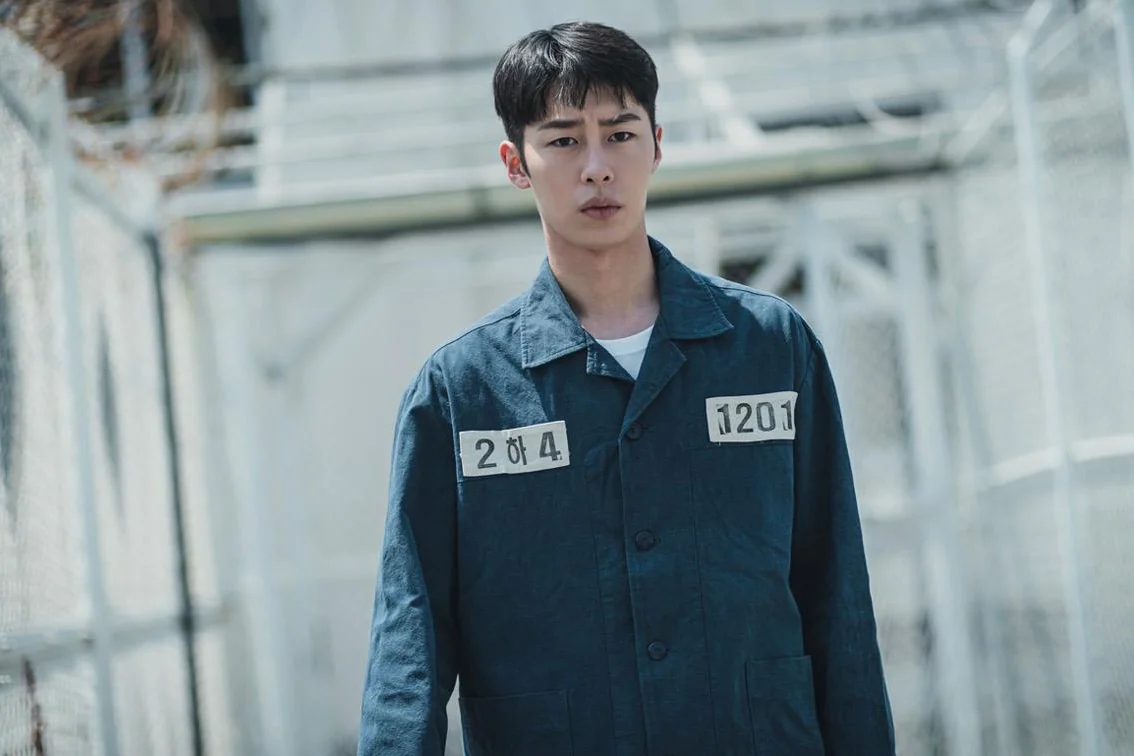
Combining fantasy and thriller elements, Death’s Game follows a man who, after believing he has reached the end of his life and encountering Death itself, is forced to experience 12 different lives. In this respect, Death’s Game transforms a fantastical premise into an existential exploration. Choi Yi-jae, the protagonist, finds himself cornered by the struggle to find a job, economic desperation and a sense of failure. When he encounters Death, he is faced with an unexpected punishment. He will be reborn in different bodies, face death each time and try to escape this cycle.
The narrative opens up a different character’s life in each episode, turning the diversity of the cast into an important part of the story. The series does not build its fantasy structure solely around surprises and action; it also questions how people view their own lives, the suffering of others and the reasons they have to keep living. The greatest strength of this eight-episode production, which streams on Prime Video, is the way each new life brings a different perspective on the concept of death.
All of Us Are Dead
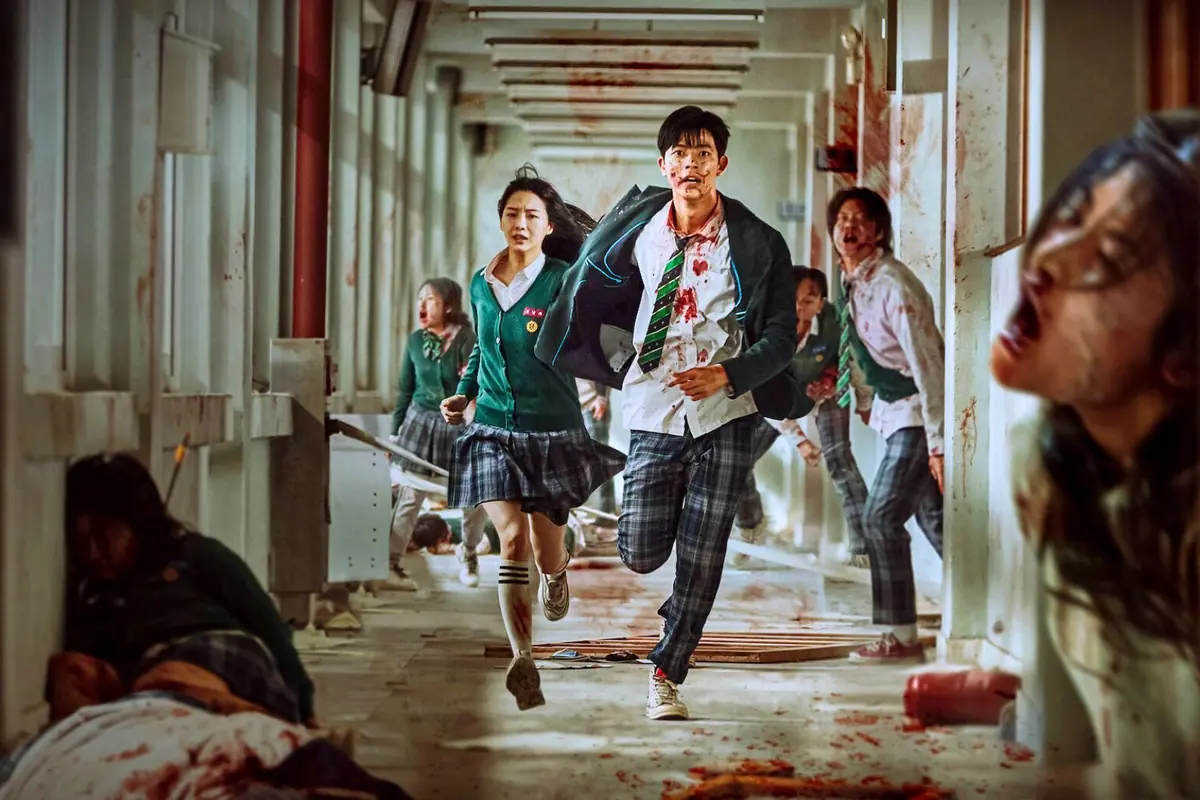
A high school becoming the epicentre of a zombie outbreak is the starting point of All of Us Are Dead. What distinguishes the series from similar zombie stories, however, is that it tells the story of the disaster through the eyes of students who are only at the beginning of their lives, rather than adults. School corridors, classrooms and sports halls suddenly turn into spaces for survival, while issues such as adolescence, friendship, first love and peer bullying become part of the fight for life.
Combining the physical horror of zombie productions with the emotional tension of a coming-of-age drama, the series stands out particularly for the attention it gives to moral conflicts between its characters. The question of who will choose solidarity and who will choose selfishness in the face of the outbreak becomes one of the show’s main sources of tension. According to figures released by Netflix, the series was watched for more than 560 million hours in its first 28 days and achieved global success by entering the Top 10 lists in more than 90 countries.
Marry My Husband

Can betrayal be followed by a second chance? Combining romantic drama with fantasy elements, Marry My Husband tells the story of Kang Ji-won, who is murdered after discovering her husband’s affair with her best friend. She travels back ten years and fights to rebuild her life. This time, however, her goal is not simply revenge. She also wants to break free from the relationships that once consumed her, the devaluation she experienced at work and the habit of living according to other people’s expectations.
Combining time travel and revenge with romantic comedy, the series centres on the desire to determine one’s own destiny. Adapted from a web novel, the production not only achieved ratings success in South Korea but also became the first Korean series to reach number one in Prime Video’s global daily TV show rankings.
Queen of Tears

Sometimes, the possibility of a marriage ending can also be the first step towards starting over. Queen of Tears tells the story of Hong Hae-in and Baek Hyun-woo, who have grown distant from one another in the third year of their marriage. One is the heir to a major conglomerate, while the other is a successful lawyer from a modest family. Through the relationship between these two characters, the series explores class differences, power struggles within families and the changing nature of marriage over time.
In the story written by Park Ji-eun, love is not sought at the beginning of a relationship, but at its breaking point. Moving between major melodramatic moments, family intrigue and humour, the narrative occasionally raises the emotional intensity. Nevertheless, the chemistry between Kim Soo-hyun and Kim Ji-won, who bring the characters to life, keeps the story firmly grounded. The series, which achieved high viewing figures, was also Netflix’s most-watched Korean drama in the first half of 2024.