





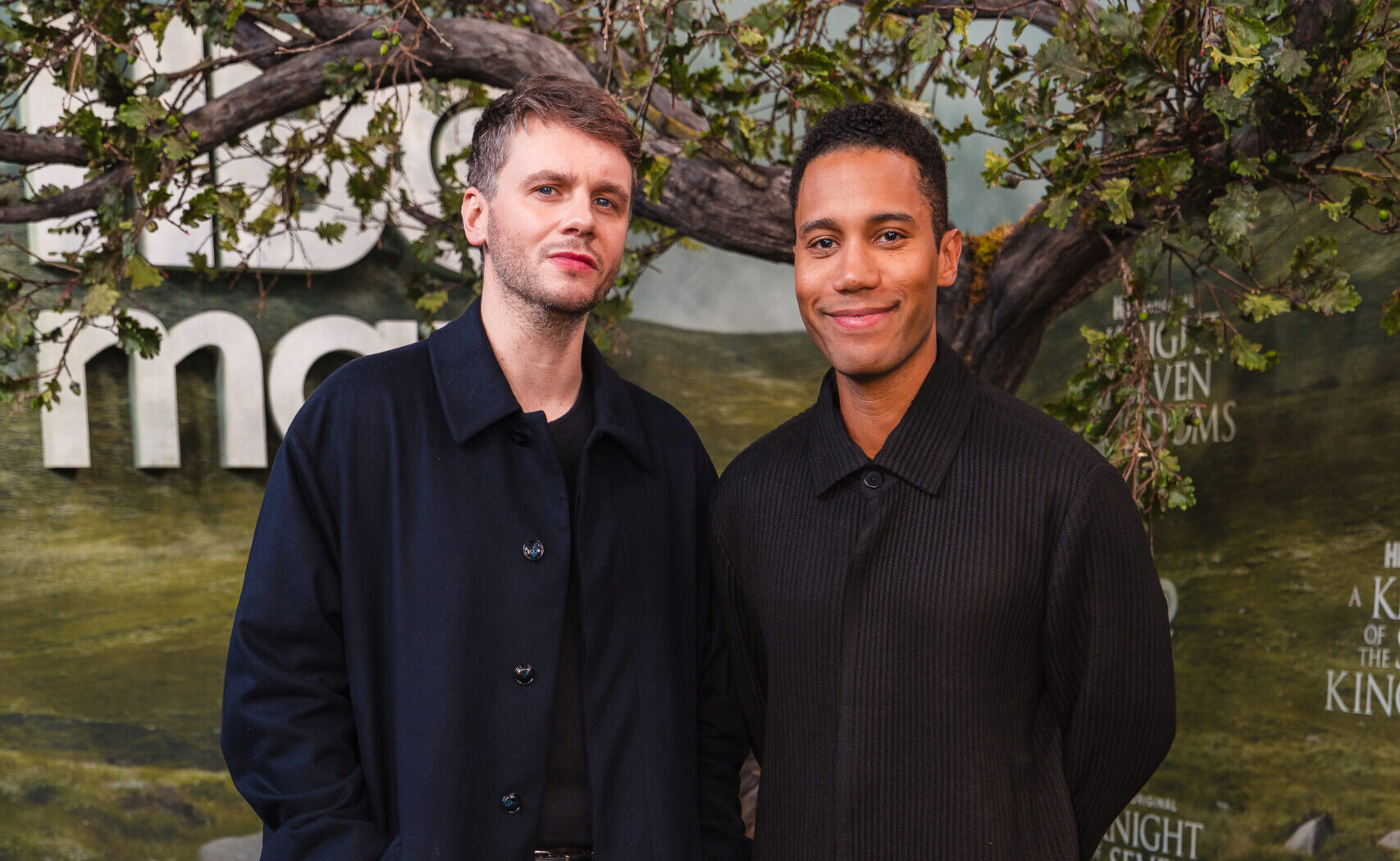
Industry returns with a radically different season. In our exclusive interview with the show’s creators and writers, Mickey Down and Konrad Kay, we discussed what audiences can expect from the new season, their approach to creating characters, and the power dynamics at play in the world of finance.
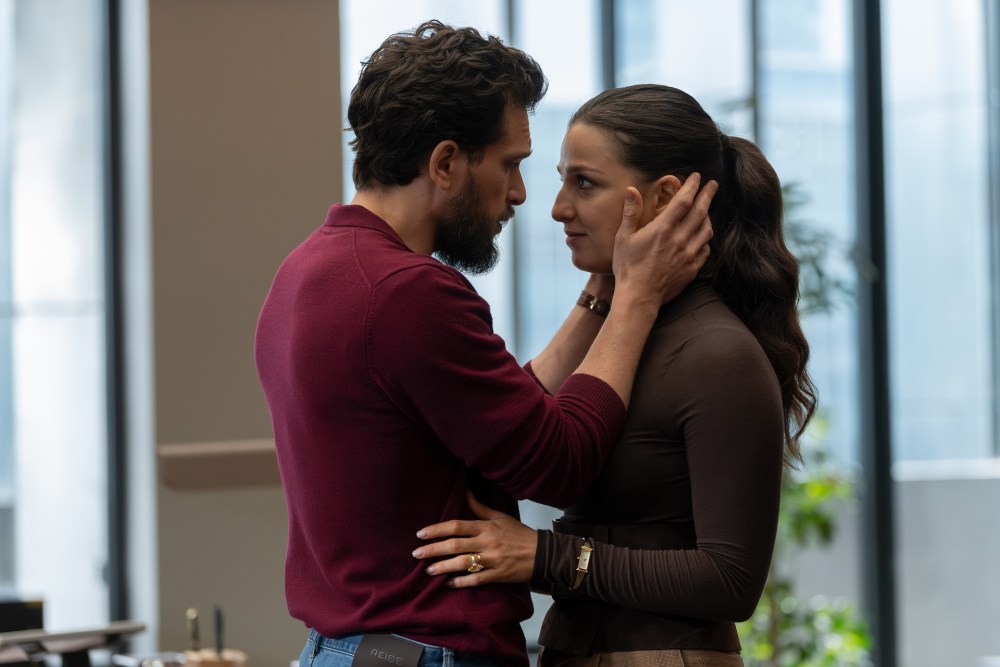
Premiering in 2020, Industry opened the doors to the high-pressure financial world and brought a fresh perspective to the thriller genre. The series returned with its fourth season on HBO Max on January 11. Alongside the central characters we’ve followed since the beginning, Harper, Yasmin, and Eric, Kit Harington joined the cast last season as Henry. This season, the show welcomes an expanded and impressive ensemble, including Charlie Heaton (Stranger Things), Max Minghella (The Handmaid’s Tale), and Kiernan Shipka (Chilling Adventures of Sabrina).
To find out what surprises await us this time in a series that continues to defy expectations each season, we met with creators and writers Mickey Down and Konrad Kay via Zoom. We took turns asking our questions, aiming to uncover what lies ahead in the new season.
We Spoke with ‘Industry’ Lead Myha’la Herrold About Harper Stern in Season 4 – Exclusive Interview

Diving straight into the conversation, we asked the writers what awaits viewers in the new season.
Mickey Down said even though the series still has the same DNA and characters we’re familiar with, it changed drastically and that’s what going to surprise the viewers. “It is still Industry in the fact that it’s written by me and Konrad, and deals witht he same relationships, and has the same propulsion of the first three seasons. But it really feels like a different show in some respects, given that we’ve lost the precinct of Pierpoint and we’ve lent into a more financial thriller element to the story.” He also made sure to point out that the series maintains the tone and atmosphere established in its first three seasons.
Given the emphasis on how different the fourth season is from those that came before, the question arose as to whether it is possible to start watching the show from Season 4 or whether the writers would prefer viewers to begin with the very first season.
Konrad Kay noted that they have a different relationship with the first season, as they were both very young when they wrote it. “When we started it about ten years ago now, everyone behind and in front of the camera was super inexperienced. So if you go back and watch it, even though the acting was very high-level from the jump, you can really see the evolution of us as writers and us as filmmakers.”
Responding to the idea of starting Industry from the fourth season, he said: “If you had never experienced the show before, you could watch Season 4 almost clean and still have a very fun, enjoyable experience of it. But I think knowing what happened in the previous three seasons, just in terms of the psychology of all the main characters, especially Harper, Yasmin, and Eric, will enrich the whole thing for you.
“But I know how the attention economy works, people sometimes think, ‘Oh, no, I don’t want to have to go binge all of these hours of TV to enjoy something.’ So I really stress that if people want to dip their toes into the show for the first time, they can watch the first episode of Season 4 and still have a very enjoyable eight-hours of TV.”
He also shared his thoughts on the Industry’s evolution: “I think the show is a reinvention, but the core DNA of what makes the show the show is still really present; the emotionality, connection to the characters, insanely human performances, and great soundtrack. I feel like that hasn’t really changed but I think the acting is the best it has ever been, I think the show is better constructed than it has ever been, it’s the show, probably, at its most mature, and maybe best. But that’s not necessarly for me to say.”
The discussion turned to whether Industry’s focus might have shifted as well; moving beyond the financial world to explore the psychological impact of being constantly exposed to power and power dynamics.
Mickey Down stated that the series has been about power from the very beginning. “Season 1 was about people who had very little power trying to get power. In Season 4, those characters are now been afforded a little bit more power. And it is about what it does to them: Does it corrupt them, does it liberate them, does it hem them into maybe a more sophisticated prison?”
He said that Industry has not drifted away from the world of finance, adding: “The centrak question of the season is a financial question. So it is about finance and the finance community, but as of all things in the show, it has evolved. We’ve evolved out of Pierpoint, so it is not technically a workplace drama or about large financial institutions, but from Season 2 onwards, we were starting to be more concerned about how finance sits within the wider sort of capitalistic landscape.
“How does finance link to politics, how does it link to media, how do people at the forefront of these industries help one another to perpetuate their own power? I feel that’s kind of what the show’s been about, and hopefully, it is just a propulsive, entertaining eight hours that people just want to watch.”
He also commented on Industry‘s binge-watchability, noting that, “It is probably quite an intense show to binge. I think it is really best enjoyed week to week.”

When it was my turn to ask a question, I noted that Industry tends to unsettle its audience rather than offering clear moral positions, and asked how important it was for them to avoid creating characters who are easy to love or hate
Konrad Kay explained that they do not take a morally didactic approach when it comes to their characters. “We would find it very hard to write any of them if we didn’t fundamentally either love or undertand something about them. When people pathologize their behavior often they aren’t keeping a full 360-degree view of the coersion of their environment or the traumas in their past making them behave the way they are behaving.”
Stating that he is not interested in whether television characters are likable or not, Kay added: “Is the character compelling? I don’t care. I don’t want to like them. I just want to have to spend time with them and watch them make choices.”
Touching on the fourth season, he said: “We take all of the characters to quite extreme places in Season 4, which I think we wouldn’t be able to get away with if you haven’t spent as much time with them as you had for four seasons and if Myha’la and Marisa hand’t played them with so much emphaty, so much nuance. I feel like you would maybe struggle with some of the decisions they make, but we aproach them from a point of true-to-character and entertainment value.”
Given that both creators are known to have started their careers in the finance sector, they were also asked whether they consider themselves experts in the field
Mickey Down noted that although he no longer works in finance and has been out of the sector for nearly a decade, he now finds it more interesting than ever while emphasizing that he is not close to it. “I am not a mathematician. I don’t really know how to use Excel, but the stories financial institutions sell to one another I find fascinating. And it is just unavoidable; it is such a huge part of our culture, part of our economy, and it is linked to everything in a way most people aren’t really aware of. So I am definitely not an expert but I know a little bit more than I did ten years ago.”
When the same question was directed to Konrad Key, he said: “I knew nothing when I was doing it for a living. I probably know 5% more now. But we do draw from the reality of the world we are living in because we are writing one of the few contemporary shows on the air.”
Down returned to the subject of finance, sharing that some of the actors had told them they learned a great deal about the industry while working on the show. “They just say it is a different language. ‘I learn it as if it’s a different language.'”
Industry Season 4 is currently streaming on HBO Max with its first episode available now and judging by what’s to come, the weekly episodes are not to be missed.