




In Turkish dramas, especially with the growing global popularity since the 2000s, love stories highlighting class differences and reproducing traditional gender roles have become increasingly common.
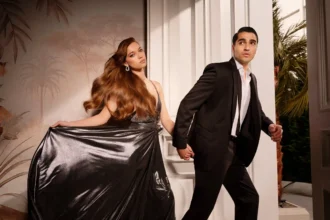
These types of narratives often feature the unexpected encounter between a male character, who is a company owner or holds an executive-level position, and a young woman from a modest socioeconomic background, followed by the blossoming of their romance in various iterations.

To better understand the sociological dynamics behind such plots, we must delve into Türkiye’s societal structure, collective imagination, traditional family values, and the demands of the popular culture industry. However, the most surprising aspect lies in the elements within these series, which are also widely watched on a global scale. The fact that these series are enjoyed with the same enthusiasm in many different countries reveals how the global economic system and class disparities transcend national boundaries, erasing differences between countries.
Some notable examples include: Love for Rent, Daydreamer, Bitter Sweet, Love Trap, Bride of Istanbul, Love is in the Air…
First and foremost, the theme of class differences holds a significant place in Türkiye’s social reality.
In a society where social mobility is limited and economic inequalities are often deeply entrenched, the idea of a poor young woman falling in love with a wealthy businessman becomes an enticing concept for viewers. It represents something difficult to achieve in real life but captivating to imagine on screen. This also aligns with the role of popular culture in creating a “space for escape.” For viewers who face economic challenges, social restrictions, or income inequality in their own lives, the fairytale-like romance depicted in these series provides a temporary sense of emotional fulfillment. Therefore, this format is essentially a dramatic portrayal of the fantasy of climbing the social ladder. This fictional world, where social hierarchies are broken down and love transcends class differences, offers viewers a sense of hope.

When we trace the cultural codes in these Turkish dramas, we encounter a narrative structure reminiscent of “Cinderella.” Although this type of story has been explored in various cultures worldwide, in Türkiye, it is reimagined with a local touch influenced by the traditional family structure. Women are idealized as “self-sacrificing, pure-hearted, and virtuous,” while men are portrayed as “protective, strong, and the backbone of the family.” The institution of the family, traditional values, and neighborhood culture acts like the foundation of these narratives. Therefore, the love story between a wealthy man and a poor woman is not just an individual romance; it is also an effort to reconcile two different worlds, two distinct family structures, and two cultural domains. This effort can also be interpreted as a cultural expression of the desire for social harmony and unity

The market dynamics of the TV industry also play a key role in the repeated use of this formula.
Ratings pressure push producers and screenwriters to replicate templates that have proven successful in the past. Turkish dramas, which are economically stable and widely watched globally, stand out with these familiar formulas both for local audiences and in international markets. The universal “wealthy man poor woman love story” plays a significant role in attracting large audiences in regions such as the Middle East, the Balkans, and Latin America. Its simplicity, ability to transcend cultural barriers, and appeal to imagination and emotions make it highly effective. This formula fits well with the long-format structure of Turkish dramas, as class differences, family conflicts, misunderstandings, intrigues, on-and-off relationships, and reconciliations provide more than enough material to sustain hundreds of episodes.

Globalization and consumer culture also have an indirect influence on shaping these types of Turkish dramas. In a modernizing country, which is gradually becoming a consumer society; “luxury” lifestyles, big corporate offices, expensive cars, mansions, designer clothes, and international brands, have become symbols of prestige and aspiration. These series serve as a showcase for this consumer culture. The “humble” woman entering the wealthy man’s world allows viewers to dream of this luxury while also suggesting that human values can triumph over material wealth.
The tension between the two worlds reflects both the desire for modern consumer goods and the idea that this desire can be tempered through traditional human values.
In short, the frequent use of the “CEO man and working-class woman” love story in Turkish dramas stems from the intersection of visible class differences, the reproduction of local cultural codes, the affirmation of societal values, the fulfillment of collective fantasies, concerns about market success, and the demands of global audiences.
These narratives continue to exist both as a reflection of Türkiye’s social structure and as popular culture products that meet the emotional, imaginative, and aesthetic needs of viewers.
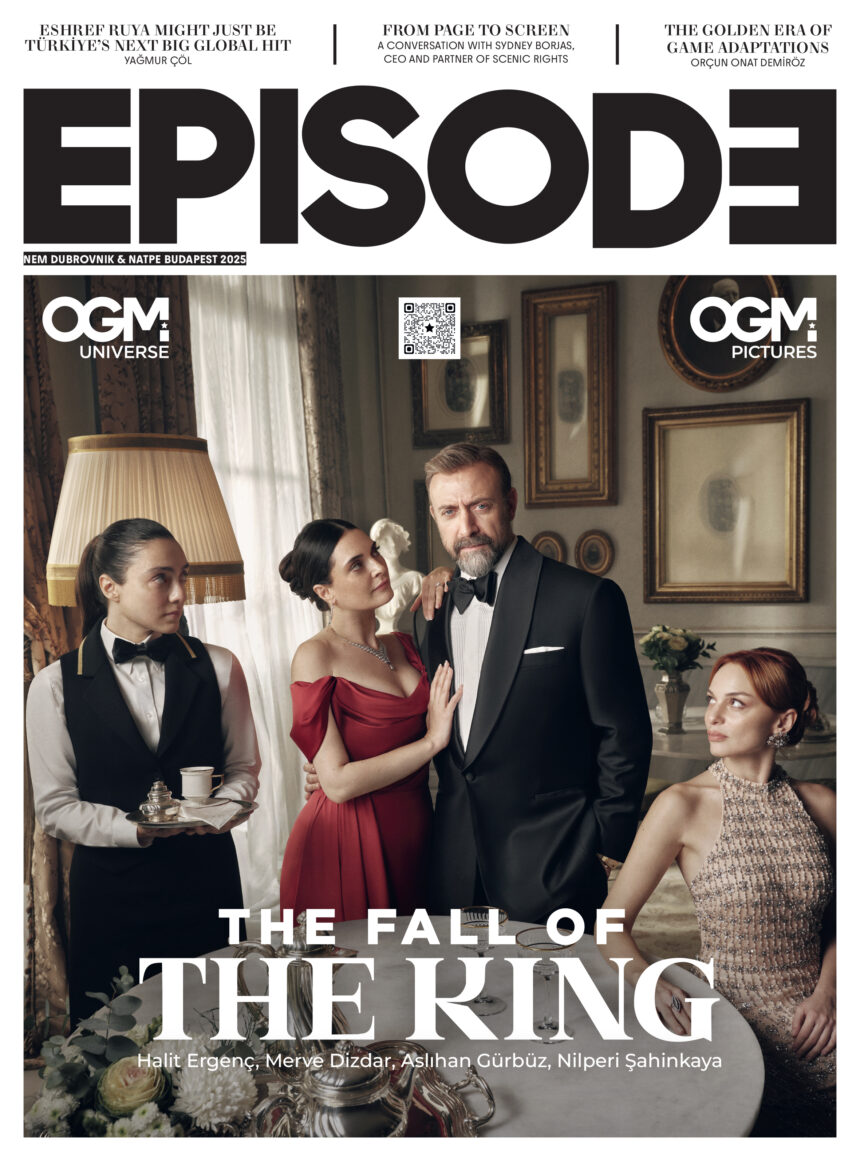
This article was featured in Episode Magazine’s Content Americas & NATPE Global 2025 issue.