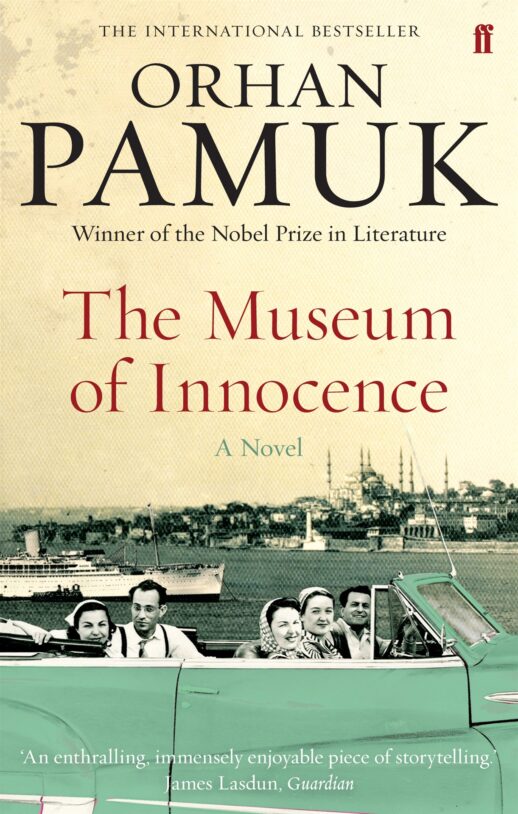






For our Series Mania 2026 issue, Cengizhan Özcan takes a look at the Museum of Innocence.
Buildings are not merely physical shells. They are carriers that quietly tell us who we are, where we come from, and what we choose to remember. For this reason, the Museum of Innocence exists not simply as a place that exhibits the past, but as an architectural narrative that forms an emotional bridge between past and present.”
There are certain places where when you step through their door you feel like you’ve entered not into a building, but into the past’s fragile memories, suppressed passions, and the city’s quiet recollection. The Museum of Innocence is such a doorstep.
In Istanbul’s layered urban texture, some buildings find meaning beyond their physical existence and through the stories and emotional weight they carry. The Museum of Innocence, located between Çukurcuma’s narrow streets, offers a unique experience area where remembering becomes concrete and emotion is expressed through an architectural language. The building, born from Orhan Pamuk’s novel of the same name, as a rare example of a place where literature and architecture intersect, invites the visitors not just to watch a narrative but to move through it.
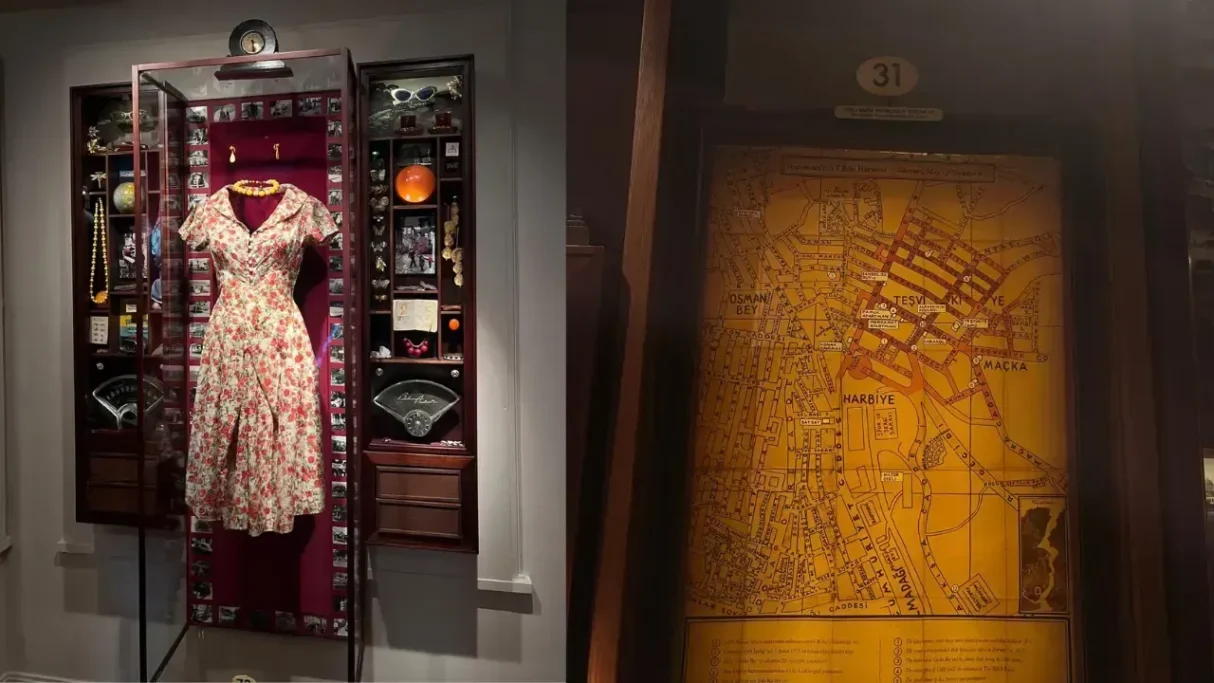
The Museum of Innocence’s narrative isn’t limited to a single building; it is reproduced in urban sections stretching out through Beyoğlu, Nişantaşı, Çukurcuma and Boğaziçi. Beyoğlu’s cosmopolitan recollection, Nişantaşı’s bourgeoisie modernity, Çukurcuma’s civil architectural structure carrying traces from its daily life and the Bosphorus route’s living culture integrating with the landscape; all these establish a spatial network strengthening the narrative’s emotional depth. This geography is not just as a background but a map of experiences where memories scatter around the city and nostalgia becomes concrete through the urban environment.
The Narrative-Constructing Role of Space
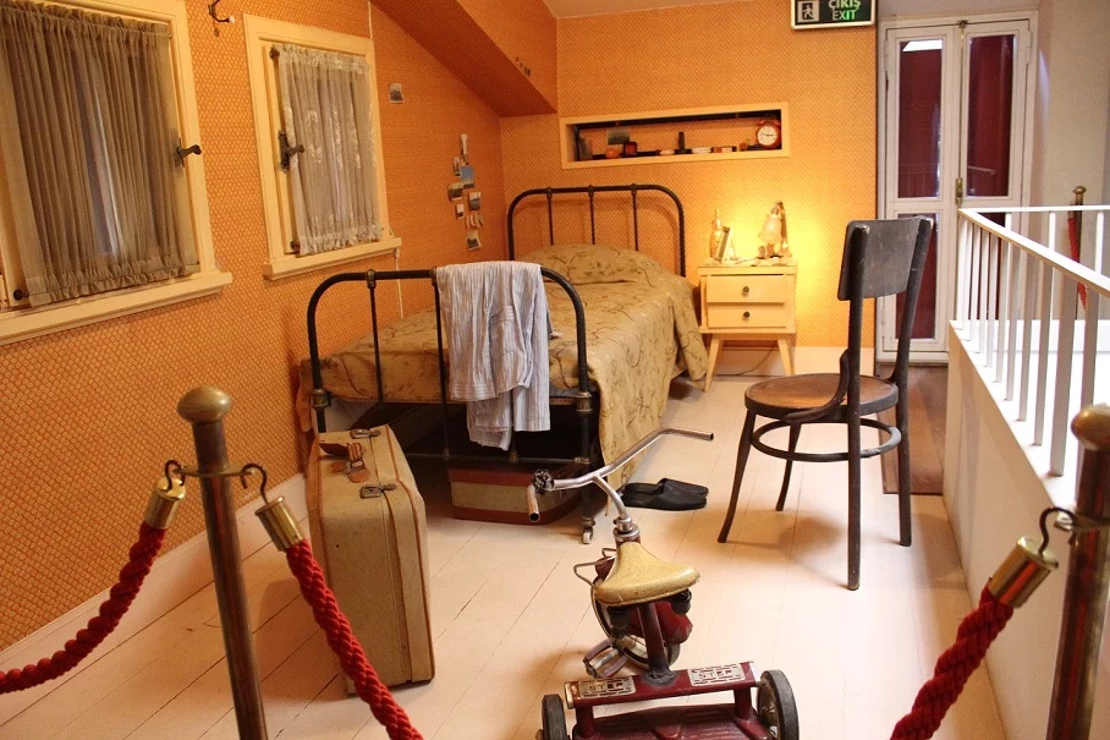
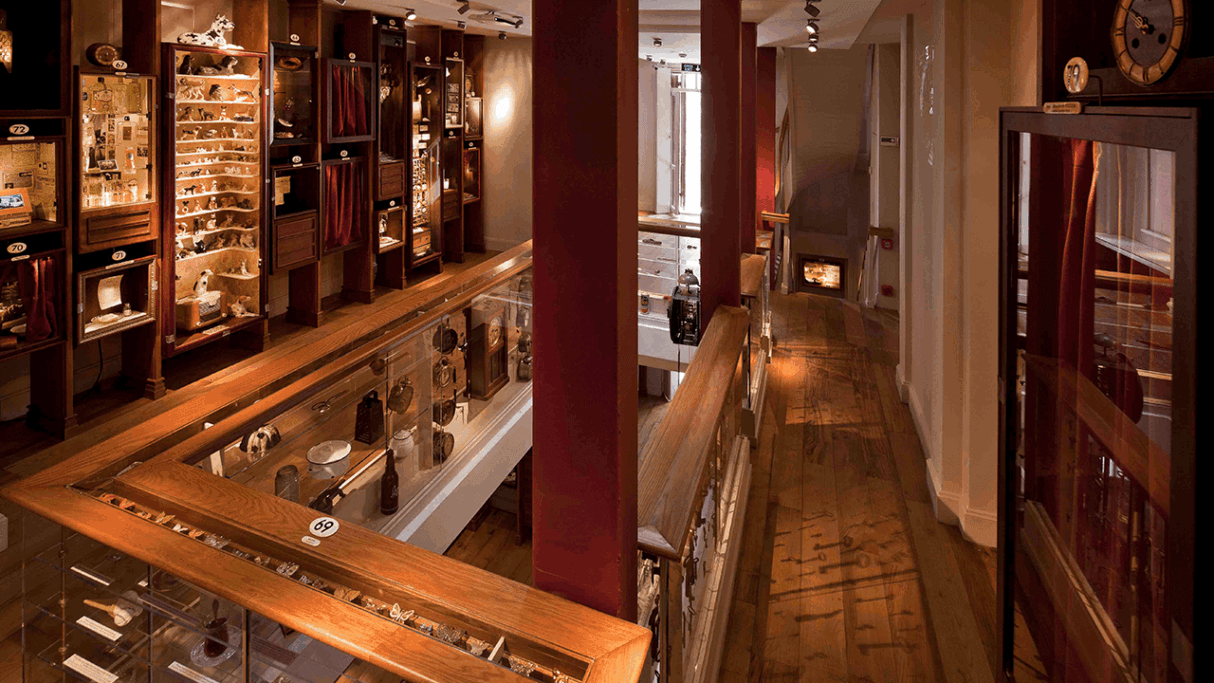
In traditional museum design, space is generally designed as a neutral background. In The Museum of Innocence, however, space becomes an active component of the narrative. Narrow floor plans, the continuity of vertical circulation, and the transitions between rooms guide visitors along a non-linear route of exploration. This experience creates the feeling of wandering through memories rather than moving through a conventional exhibition hall.
Each floor, each display case, and each niche reveals a new emotional layer within a spatial continuity. The architectural framework does not merely contain the narrative; it directs it and determines its rhythm. The visitor breaks away from the linear flow of time and progresses through a deep emotional landscape.
The Context of Çukurcuma and the Memory of Civil Architecture
The Çukurcuma district where The Museum of Innocence is located, is one of the rare areas that has largely preserved the residential fabric of the late Ottoman and early Republican periods. Narrow-fronted, attached buildings that prioritize human scale reflect the social intimacy of past urban life.
This context introduces visitors to a nostalgic atmosphere even before they reach The Museum of Innocence. Quiet streets, weathered façades, and narrow sidewalks create the sense of crossing a temporal threshold. When visitors step through the museum’s doors, the feeling is less like entering an exhibition space and more like stepping into the everyday life of the past.
Constructing Atmosphere in the Interior
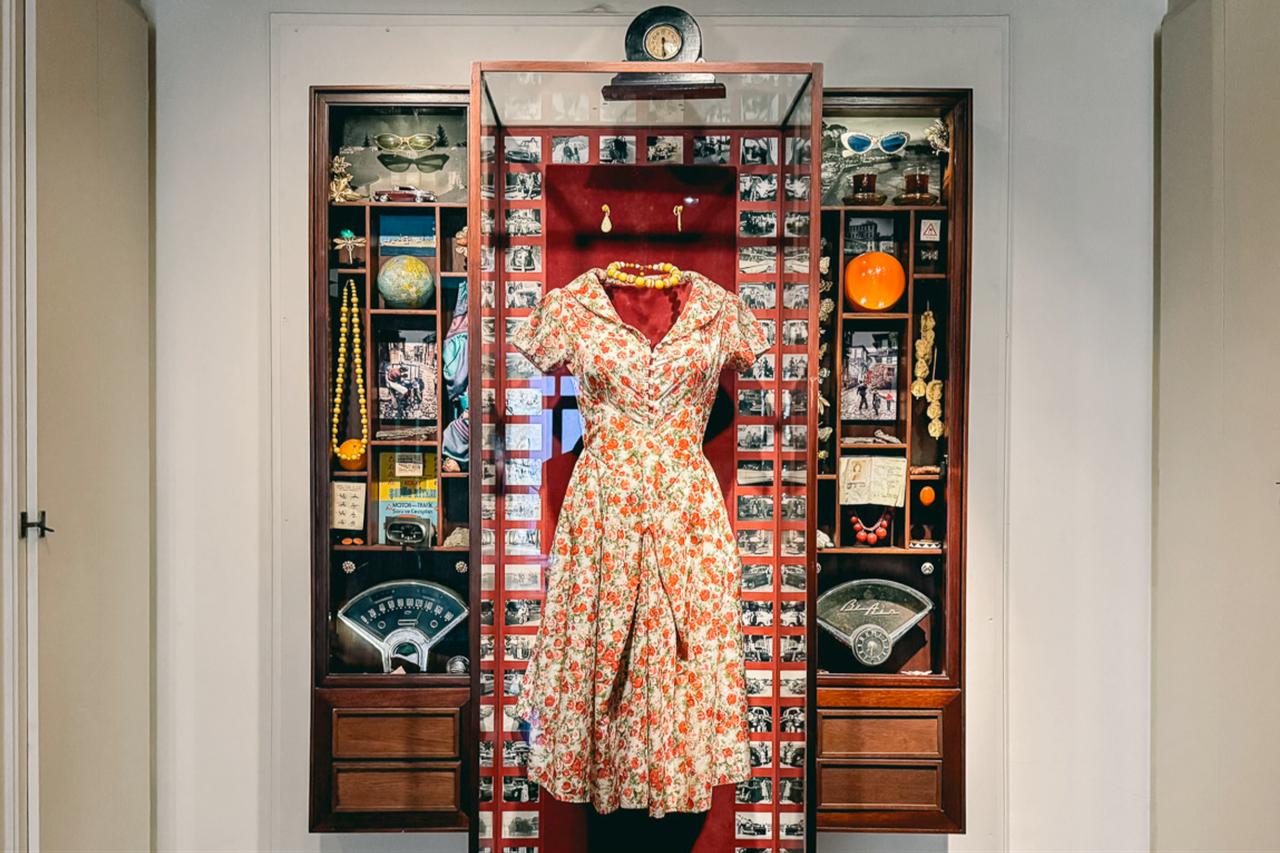
The Museum of Innocence deliberately distances itself from the sterile surfaces of modern museum design. Wooden textures, matte display cases, and carefully directed dim lighting create a warm and familiar atmosphere. This environment moves the visitor’s relationship with the space beyond purely visual perception.
While focused points of light highlight the objects within the vitrines, the surrounding darkness creates a sense of dramatic depth. This contrast offers a powerful spatial metaphor for the selective nature of memory: some memories appear bright and clear, while others remain in shadow.
A layered urban narrative unfolding along the axis of Beyoğlu, Nişantaşı, and Çukurcuma… The Museum of Innocence transforms nostalgia into an experiential journey through everyday objects and the atmosphere of civil architecture. This article examines the distance between appearance and reality and the emotional layers of modernizing urban life through an architectural reading.”
The Monumental Transformation of Everyday Objects
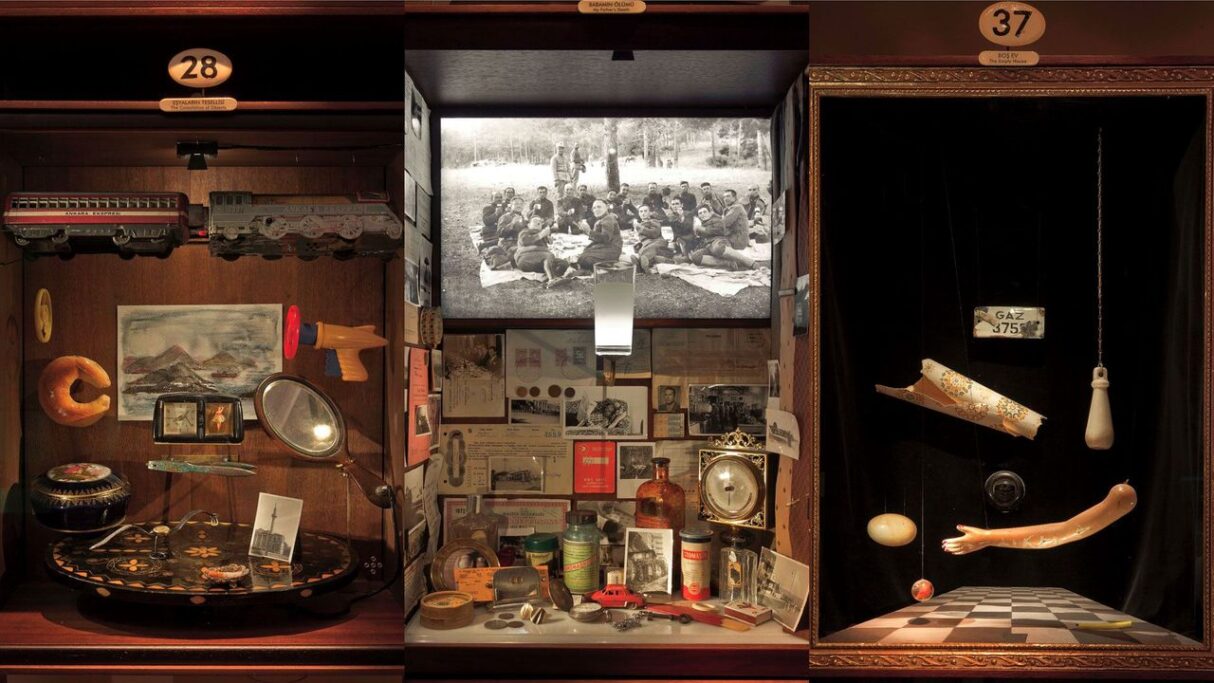
The exhibition language of The Museum of Innocence transforms ordinary objects of daily life into a monumental narrative. Cigarette butts, porcelain plates, hair clips, photographs, and cinema tickets become representatives of personal memories within a carefully composed aesthetic arrangement.
This approach shifts perception from large surfaces to micro-details. As visitors focus on these details, they begin to realize that nostalgia is formed not by grand events but by small, intimate memories.
Nişantaşı Modernity and the Silent Meaning of Names
During the period from the 1950s to the 1970s, the new apartment blocks rising in Nişantaşı were given names that created a symbolic language reflecting the urban ideals of the era. Names such as “Huzur” (Peace), “Saadet” (Happiness), “Güven” (Trust), and “Şefkat” (Compassion) embodied not only the physical transformation of the modernizing city but also an emotional vision of the future.
These names often pointed less to an existing reality than to an aspirational way of life. In a period when urban life was rapidly changing, family structures were transforming, and social roles were being redefined, the words placed on apartment façades can be interpreted as expressions of a collective search for security and emotional stability.
The distance between the name and the life actually lived reveals the tension between the inner fragility of modern urban individuals and their public appearance. In this sense, architectural naming becomes more than a simple marker of identity; it turns into a symbolic surface through which the psychological orientations of society can be read through space.
Collective Memory and the Codes of Nostalgia
One of the museum’s most powerful effects lies in the sense of collective remembrance it evokes in visitors. The materials and interior language recreate the culture of urban life in Türkiye during the 1970s and 1980s. Wooden surfaces, narrow staircases, and glass display cabinets recall the spatial codes of past domestic life.
This nostalgic language does not merely represent the past; it resonates with the visitor’s personal experiences. Encountering familiar spatial elements, individuals unconsciously recall childhood memories and everyday rituals.
Layers of Time and Continuity
In the museum, time is experienced not as a linear sequence but as a layered structure. Each display case refers to a specific moment, while the atmosphere establishes a permeable relationship between past and present. The preservation of the building’s historical character adds depth and makes the traces of time visible. This continuity transforms the building itself into a living narrative layer.
The Search for Belonging Against Modern Placelessness
In contemporary cities, the rapid increase of identityless interior spaces weakens the sense of place. In this context, The Museum of Innocence offers a powerful counterposition that reminds us of the meaning of “place.” The spirit of the building emerges through the lived character of its materials, the intimacy of its scale, and the layered structure of its narrative.
Here, nostalgia is not a decorative choice but a tool that strengthens the sense of belonging. Familiar spatial codes make it easier for visitors to situate themselves within their surroundings.
Experiential Architecture and Emotional Engagement
The experience offered by the museum transforms the visitor from a passive observer into a participant in the narrative. Moments of spatial compression and expansion, variations in ceiling heights, and the design of the circulation route heighten bodily awareness.
As visitors move through the space, they begin to form unexpected connections between their own memories and the story presented in the exhibition.
Conclusion: A Quiet Narrative
The Museum of Innocence is one of the rare structures that reveals the emotional dimension of architecture. A narrative born from an individual story evolves into a collective experience through architecture. The building approaches nostalgia not as an escape into the past, but as a way of reconnecting with cultural continuity.
Within today’s rapidly transforming urban life, the museum reminds us that buildings are not merely physical shells. They are carriers that quietly tell us who we are, where we come from, and what we choose to remember. For this reason, the Museum of Innocence exists not simply as a place that exhibits the past, but as an architectural narrative that forms an emotional bridge between past and present.