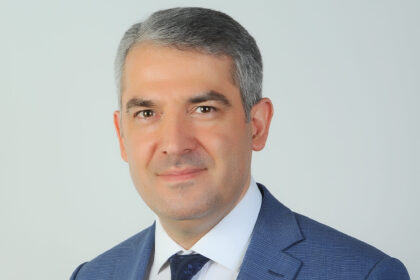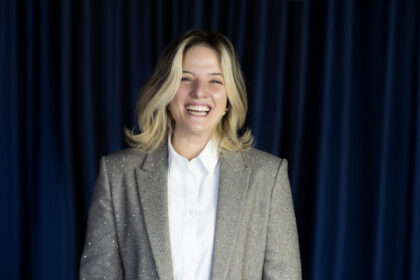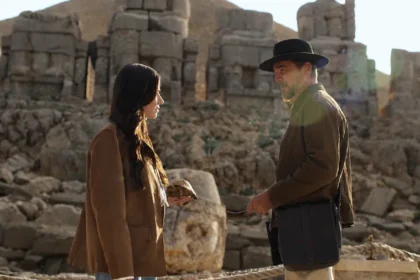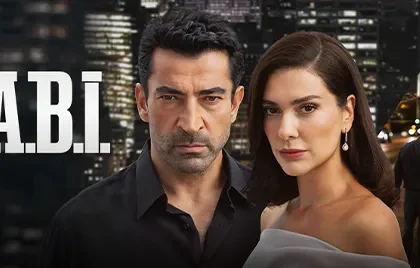



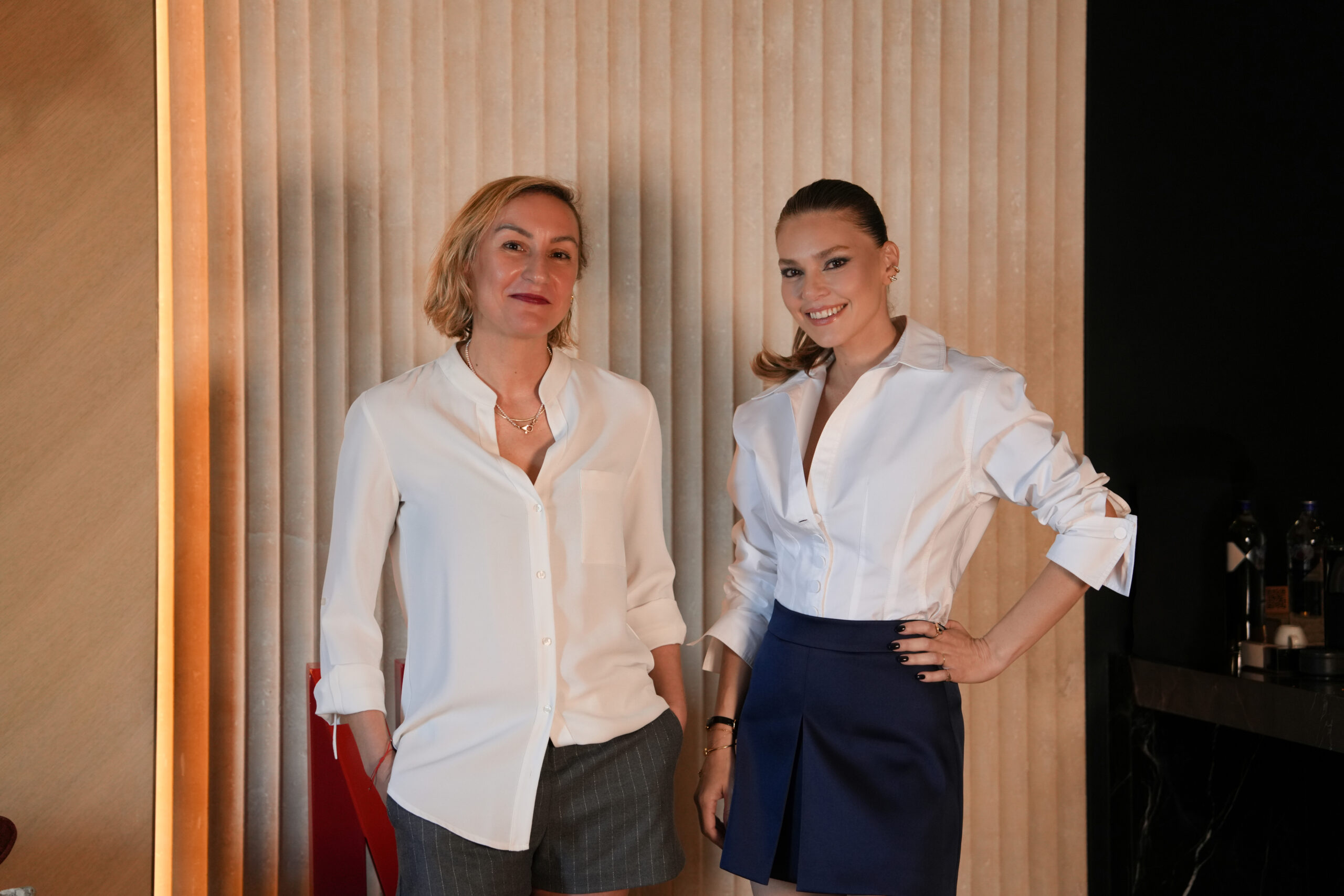
Old Money premiered on Netflix on October 10th. We met with the series lead, Aslı Enver, who portrays Nihal, presenting the series’ love story tinged with power struggles, and Meriç Acemi, the series’ creator and screenwriter. We discussed a wide range of topics, from the series’ creation process to the pre-production phase to the depths of Nihal’s character.
First of all, I’d like to start by congratulating you; it’s a truly beautiful piece of work. For our readers, I’d also like to hear a little from you about the series. One of you being the lead and the other as the screenwriter, how would you describe it?
Meriç Acemi: We set out to make a beautiful, urban love story. We’ve been watching a lot of young people’s love stories lately. Those are wonderful too, and we love them, but I wondered what it would be like for self-fulfilled, adult, successful people to fall in love. I actually wanted to see a story like that. So, I sat down and wrote it.
Aslı Enver: I always say that Meriç has a style where I can see the character when I read it. This both suited me and made my job much easier. Because Nihal was there, and I enjoyed Nihal as a character. I already love the story, but I also really love Nihal. There’s something so sweet about her for me. I really enjoy playing her; I had a lot of fun.
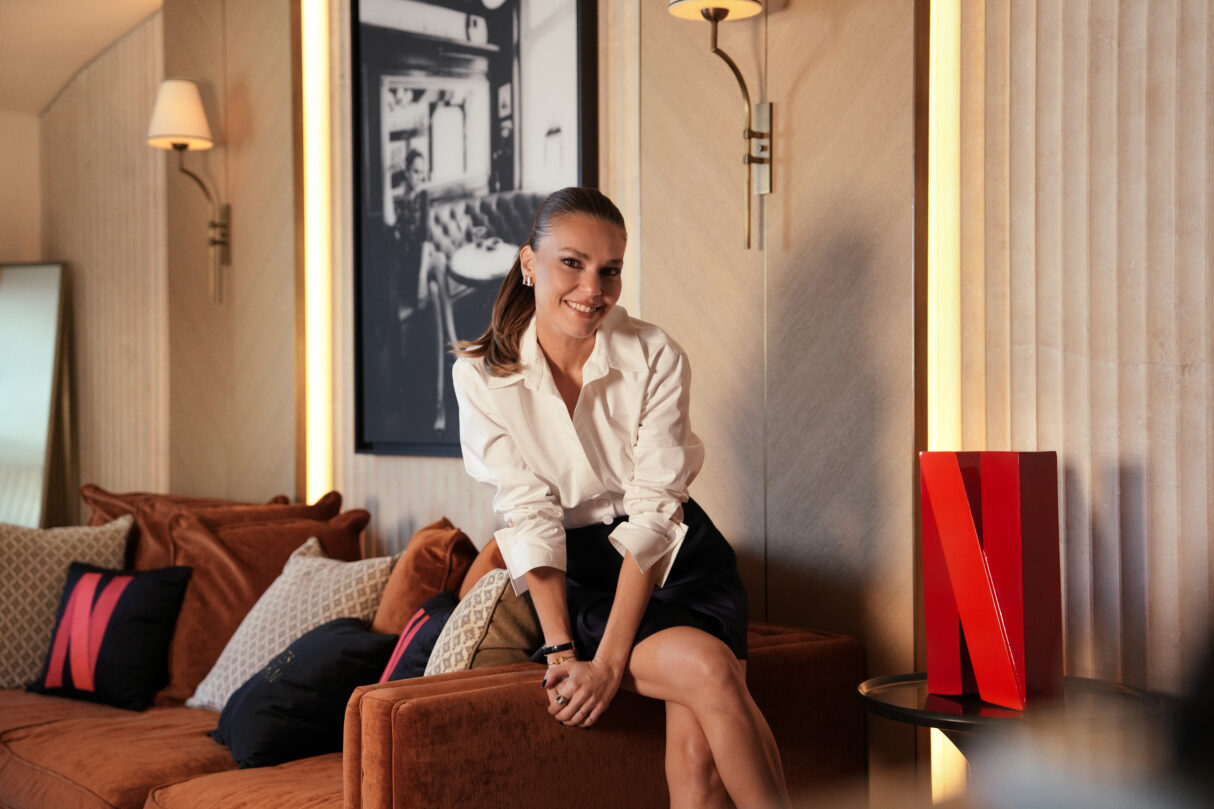
I was going to ask you about Nihal. Nihal is a character we can evaluate regardless of her family and status. She loves to create, is a bit more humble than her family, and I think she’s also very proud. How would you describe Nihal?
Aslı Enver: I think Nihal is a true champion. She’s a character who pursues and never gives up, sometimes forgetting her true goal out of sheer stubbornness and going blindly. Her passion is actually very inspiring. You know, we can give up on many things more easily. We say, “Okay, if that doesn’t work, there is nothing we can do.” and then immediately make a U-turn. At least, that’s how I am. I say, “Okay, it wasn’t meant to be.” There’s no such thing to her. I find her very inspiring because there’s no “stop” for her.
Meriç, you are both the creator and writer of the series. First, I’d like to ask how this story began. What was your inspiration?
Meriç Acemi: As I said before, I wanted to tell a beautiful love story. But the difference between “self-made” and “nepo” is something we’ve been discussing a lot lately. I wanted to see the difference between people who grew up from nothing, with their reflexes and strengths, and the so-called “nepo” characters, with the sense of security they receive from their families. I’m not taking either side; the story unfolds objectively. We’re not assuming that one person is superior to the other, but the differences in behavior and approach are striking. In particular, Nihal’s art of diplomacy… My main goal for Nihal was to have a truly inspiring character. I aimed for her to be someone who can handle the things we procrastinate on, the things we don’t ponder about, the things we’re incapable of handling, and who can get into any situation. I wanted her to give inspiration, like, “Okay, I’ll get the job done, I’ll deal with the problems.”
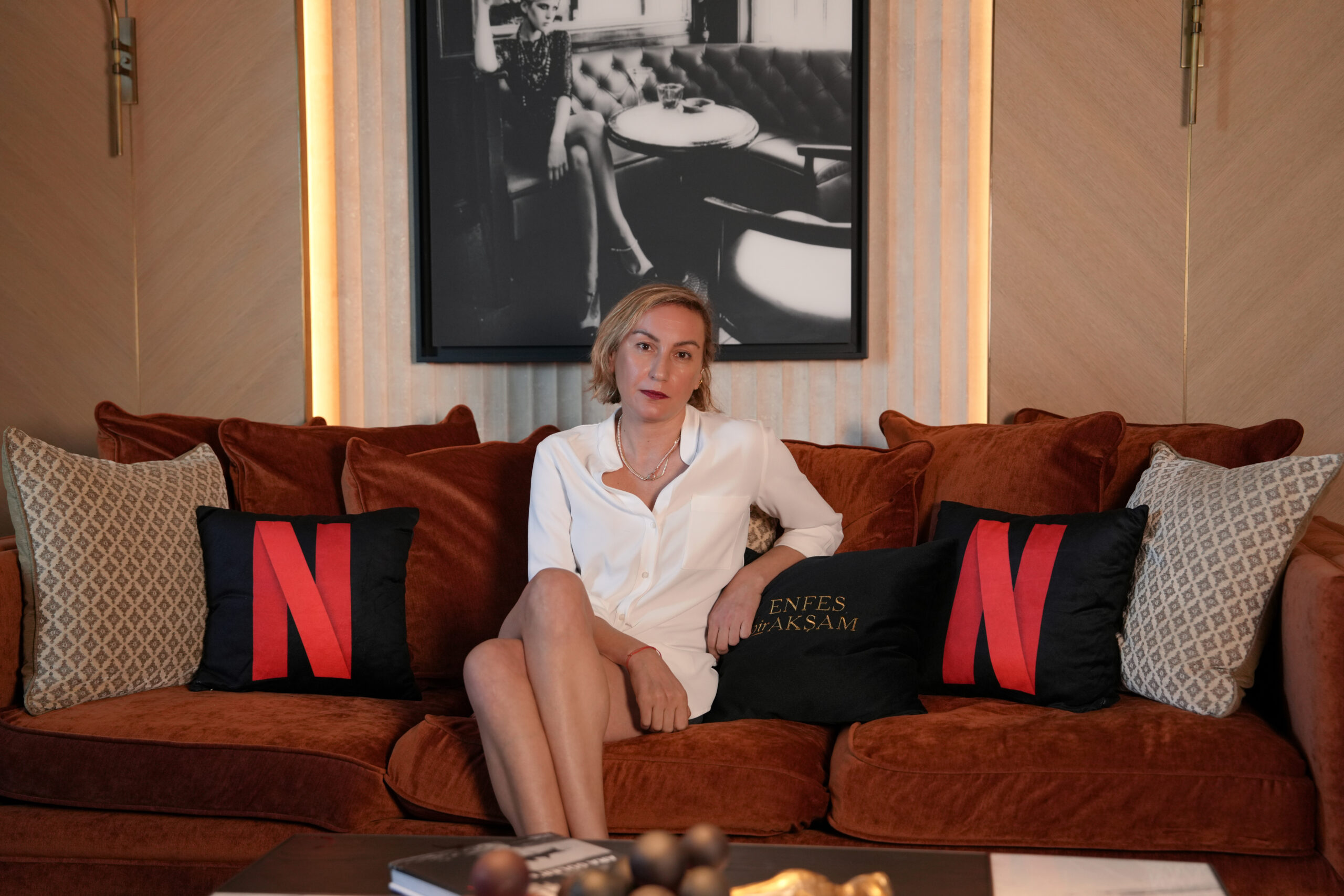
I think Aslı and Engin fit their roles perfectly. The casting for the supporting roles was also successful. Did you have them in mind when you were writing the story?
Meriç Acemi: It was slowly starting to take shape. So, it was a cast we had in mind. It was great news for me that the people I thought, “Oh, how wonderful it would be,” liked the script and decided to be a part of it. You know, when I heard those “Aslı is in” and “Engin is in.”, I was overjoyed. Aslı playing Nihal adds a whole new dimension. Because when someone with such a kind and warm energy plays such a sharp, winning, champion character, we create the perfect Nihal, the Nihal I’ve been imagining. Engin is the same way; his aura and energy really matched. But we also talked for a long time, discussing the characters. They formed a deep bond with the characters.
Aslı, I think you’re a perfect match for Nihal’s humble, modest, yet ambitious nature. What did you feel when you first read the script? What made you accept the project?
Aslı Enver: When I finished the second episode or so, I said, “I can do this!” Because it immediately appeals to me. And the way a project is written reveals what it can produce, especially if it falls into the right hands. So, I suppose that comes with experience. After a while, you see what you can get out of something, so I had already made up my mind on the second episode. I was pretty much like a viewer while I read the script. I knew I was going to do this project; it had a very specific style. Nihal was the reason I accepted the script. The story aside, I wanted to play Nihal.
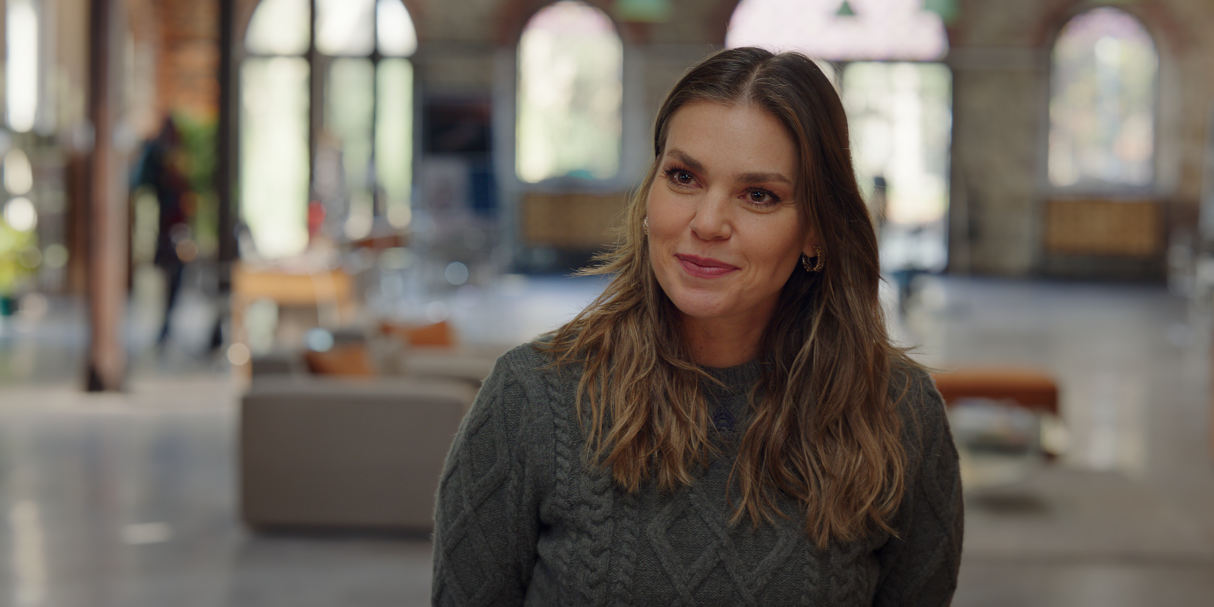
I think Nihal is a true champion. She pursues her goal and refuses to give up, but sometimes, out of sheer stubbornness, she forgets her true aim and goes after it blindly. Her passion is truly inspiring. – Aslı Enver
Are there any aspects of Nihal that you related to?
Aslı Enver: I mean, there are aspects where I related, where I said, “Yes, I saw myself.” In her circle of friends in some ways… Of course, there are many aspects to her that don’t match. But I understood Nihal’s every move. For example, I never got annoyed with her when I was reading the script. I never said, “Oh, how can one do this?” And as I said, I’m not that type. I’m not someone who goes after what she wants at a gallop. I agreed, and I think that’s very important: being able to agree while acting.
I want to delve into Nihal and Osman’s relationship a bit. Just when we think they’re perfect, things go south again. And I thought they were two people who, while actually at war with each other and their lifestyles, were similar in their intelligence and thinking practices. Do you agree with that?
Aslı Enver: I don’t actually see them as very emotionally similar.
Meriç Acemi: We went more through their opposites. As if their contrasts seemed to draw them to each other. Of course, they’re both very ego-driven; they’re both very successful in their own fields, able to carry themselves. This can create some obstacles in the love story. Perhaps the obstacles they face are related to this. But as I said, I agree; we tried to go with the idea that they’re more opposite characters.
It’s as if there’s a twinkle in both of their eyes…
Meriç Acemi: Yes, there’s a certain admiration for each other. It’s clear they admire each other’s intelligence. Perhaps that’s where they were first drawn to.
Aslı Enver: They wanted to compete. It sounds to me like they were just saying, “Let’s play a game.”
The difference between “self-made” and “nepo” is something we’ve been discussing a lot lately. I wanted to see the difference between people who grew up from nothing, with their reflexes and strengths, and the so-called “nepo” characters, with the sense of security they receive from their families. I’m not taking either side; the story unfolds objectively. – Meriç Acemi
Meriç, the stories of the supporting characters in the series are also very well-written. We can easily understand why they do what they do. Could you tell us a little about them? Other relationships, especially those between Mahir and Aslı, Gökhan and Songül, and Berna and Arda, were just as meticulous as those between Nihal and Osman.
Meriç Acemi: Of course, everyone is at their own center. No character is a sidekick to another, or merely a setter; they all have their own story. Each one is the protagonist of their own. Therefore, when we think this way, we can write supporting characters with more dimension. I loved writing them, too, and I felt like I knew them very well. I thought I wrote them with great insight. That’s why I was so satisfied with them. And they exemplify the different aspects of love. Mahir and Aslı have a different dynamic, and Berna and Arda have a different dynamic. They live different stories, too. I wanted a series where the focus is always on love, and to talk about beautiful emotions. I also delved into side themes like virtue, ethics, stance, elegance, and so on, but of course, there’s also the old money-new money situation.
As we mentioned earlier, concepts like old money and nepo baby entered our lives a few years ago. People are taking on lives they haven’t actually lived or personas they aren’t. We see this a lot. It started with fashion and somehow still continues. What are your thoughts on the show’s treatment of this topic?
Meriç Acemi: I have a real understanding of old money, thanks to the people I know in my life. Also, about new money. I know some very valuable, self-made characters, and I wanted to tell them from my own perspective, from how I see them. I tried to explain the differences in behavior and approach from my own experience.
Aslı Enver: I don’t actually have that crazy amount of old money knowledge. I mean, about the past. It takes three or four generations to truly become old money. I don’t have anyone in my close circle with that kind of history. But as much as everyone sees it, it depends on how you look at it. Frankly, it seems a bit absurd to me: an attempt to dress like old money or to act like “old money.” They seem to me as people portraying multiple roles, but let’s just say, anyone can do however they want.
Meriç Acemi: It’s a bit of a discrediting of the concept.
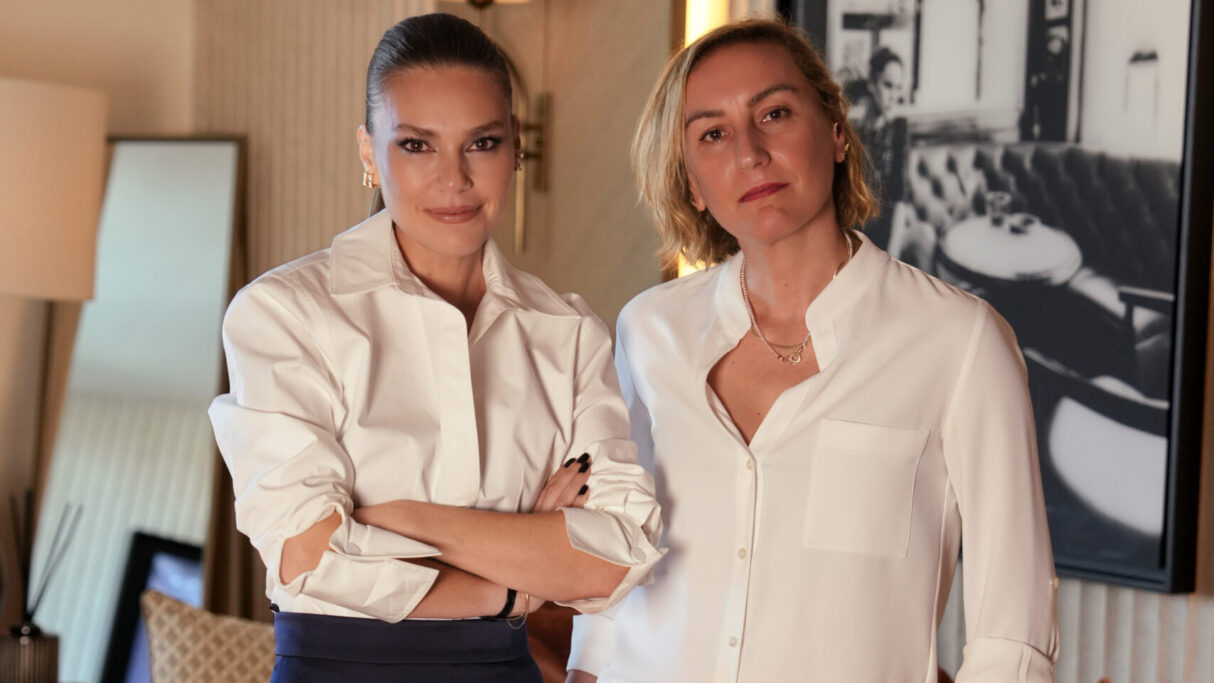
Aslı, as far as I know, this is the first time we’ve seen you and Engin Akyürek together. I think you had a great harmony on screen. What was it like working together? Do you have any memorable moments from filming?
Aslı Enver: Working with Engin was very enjoyable, very comfortable. He’s an actor who studies hard before coming to work. He never says, “I’m not in the mood today.” He’s not that kind of guy at all. He’s always ready and motivated to work. That’s also very reassuring. Also, Engin and I got along really well. We had a lot of fun; that game thing I call it, we played a lot against each other. And the most wonderful thing about our profession is that we can still play games. When my partner doesn’t take that away from me, I’m very happy and enjoy it. But this isn’t just for Engin. I mean, Zeynep, Sedef, Serkan, Dolunay… I had such a great time working with all my friends! The entire cast seemed to be very motivated by acting. And that, of course, makes the work very fluid and enjoyable, I think.
Did you watch the series, and what did you think of it?
Aslı Enver: I watched it, but I couldn’t watch all eight episodes in a row. I watched so many fragments… If Netflix sent me a warning, I kept asking for the password. So, five minutes later, I’d have to ask for the password again. Because I have a two-year-old at home, and the screen wouldn’t turn on next to her. That’s why I had such a problem. I can only say I managed to watch fragments. Now I have to send Elay to her grandmother and watch all eight episodes.
Meriç Acemi: I watched it. We’re happy with what we did. It was exactly what I wanted, even more than I had hoped for. I knew this would happen because I was going to work with Uluç. We had a great time during the pre-production process; our frequencies matched. I saw that reflected in the final result. I saw that the fact that Engin and he had worked so much beforehand was reflected in the final result.
Aslı Enver: He was on the desk?
Meriç Acemi: Yes. During the summer, when everyone was on vacation, we really worked on it. We can see the results of that, too.
Aslı Enver: There were some very long scenes, but we memorized them all before going to set. We pretty much practiced at home. Luckily, we love the working part.
Meriç Acemi: Yes, they’re both very hardworking.
How long did your preparation process take?
Aslı Enver: About two weeks?
Meriç Acemi: It feels like a month to me, maybe it is. We got together for hours and went over it over and over again. But as I said, I saw the rewards of all that hard work when I watched it.
Lastly, I wasn’t expecting the final scene of the series to be like this. I understand there’s a season 2, is that right?
Meriç Acemi: The answer to that question is on Netflix. Yes, it depends on the audience’s favor and Netflix’s decision.