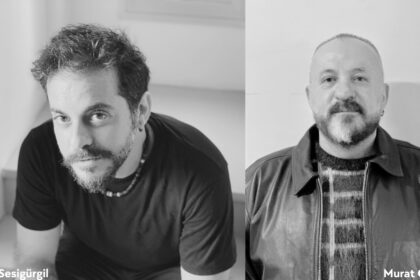





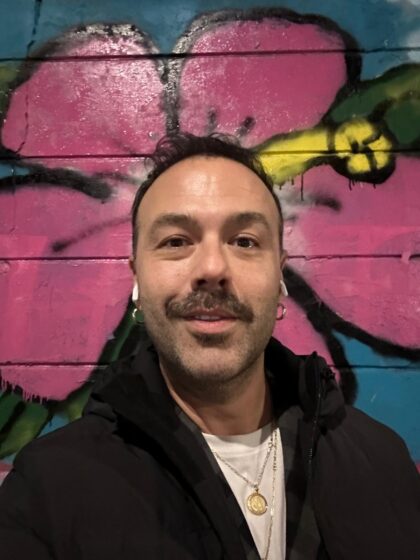
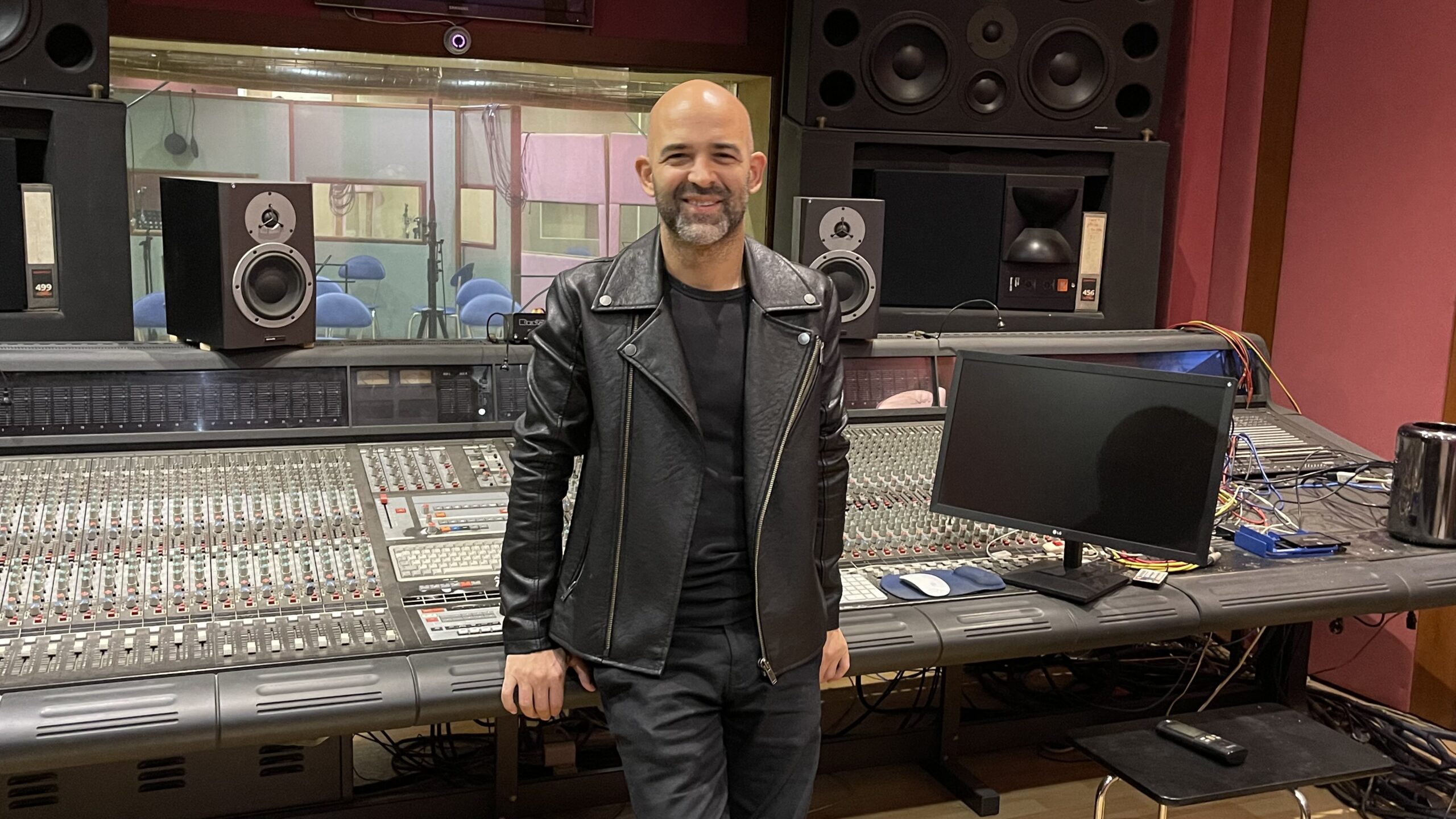
For a long time, Murat Evgin has been one of the first names that comes to mind when it comes to TV series soundtracks in Türkiye. What he has produced has become a very important milestone in his musical career. While adding his unique touch to every project he is involved in, he has made a mark on viewers’ minds with his timeless melodies. In the early days of his music career, he struggled to get his music videos aired within the Turkish system, but nowadays, thanks to TV series, his songs have reached a much wider audience, extending far beyond Türkiye’s borders. As he prepares to celebrate his 25th year in music, I wanted to sit down with Murat Evgin and talk about the industry.
- Murat Evgin: “I want to create things on a global scale now.”
- When did you decide to start composing soundtracks for television series, aside from constantly producing for your own albums?
- You were the youngest composer of your generation working on TV series soundtracks.
- How did you expand internationally? I saw the interest in you firsthand at Content Americas.
- What sparked Latin America’s interest in you?
- Can you explain a bit about composing music for TV series?
- Do you use the computer right away for your works, or do you start by exploring ideas with your guitar before turning to computer? Your analog side seems to be stronger.
- The unique quality of live instruments is, in fact, irreplaceable, but now even visuals are being created by computers. What do you think about AI-generated works?
- What kind of projects would you love to compose music for? For example, a superhero series or a horror series?
- Murat Evgin: “The main element of film music is the tune, the melody. I see that the industry has drifted away from this.“
Murat Evgin: “I want to create things on a global scale now.”
When did you decide to start composing soundtracks for television series, aside from constantly producing for your own albums?
When I studied Radio, Television, and Cinema at Marmara University, I wanted to combine my education in cinema with music. I began by composing music for competition shows. I created songs and theme music for the content show Ben Evleniyorum (I am Getting Married). I also composed the soundtracks for the Turkish remake of the American series Revenge, titled Sahra. That was my first major series.
You were the youngest composer of your generation working on TV series soundtracks.
At that time, such projects weren’t as popular. Everyone preferred to be on stage. I decided to continue both singing and composing TV series soundtracks for a long time. Then, documentary and TV series soundtracks started to gain more importance.
How did you expand internationally? I saw the interest in you firsthand at Content Americas.
My international journey began with neighboring countries, starting in the Turkic Republics and places like Bulgaria and Romania. Later, I collaborated with a British production company on a six-part documentary series called Myths and Monsters. I accepted the project because it excited me. While working on it, I asked where it would be aired, and they said, “Netflix America!” I certainly did not expect such a thing. In 2017, I had the opportunity to become the first Turkish composer to work with Netflix America. After that, we did a project called The Stuarts. The Stuarts were the first royal family of the United Kingdom. We made a four-part docuseries about them. As I mentioned, Turkish TV series had also become quite famous by then, and the series I had worked on until 2016-2017 were popular in Arab countries and the Balkans.
What sparked Latin America’s interest in you?
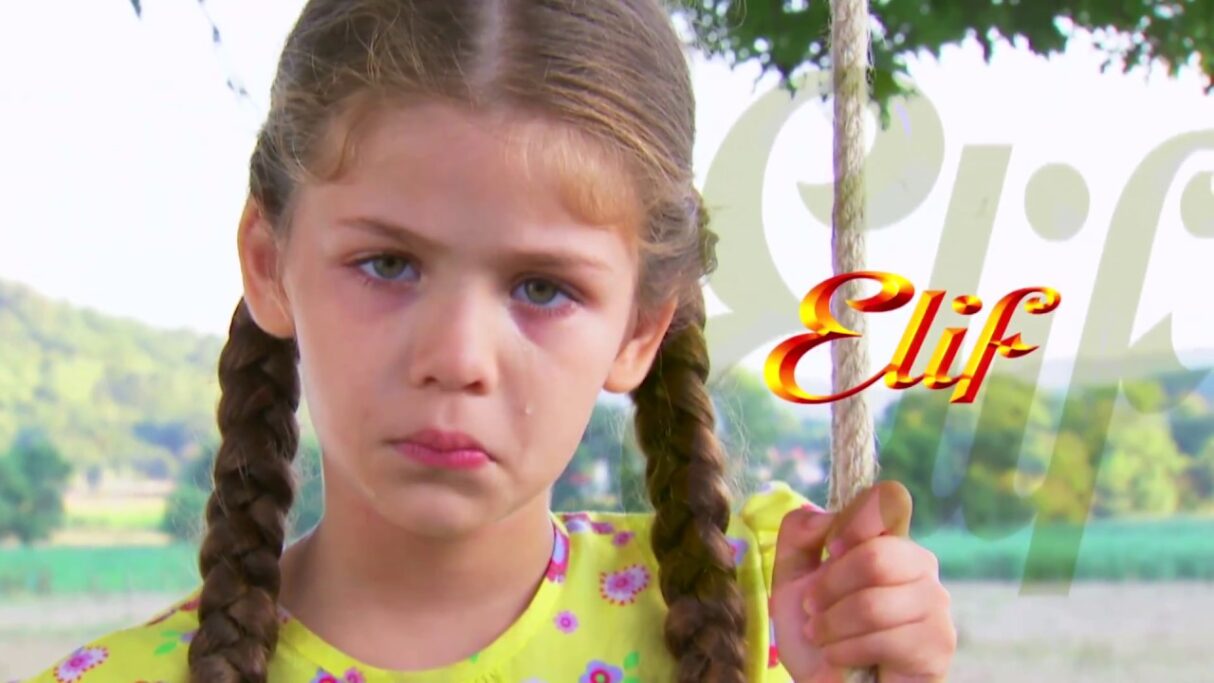
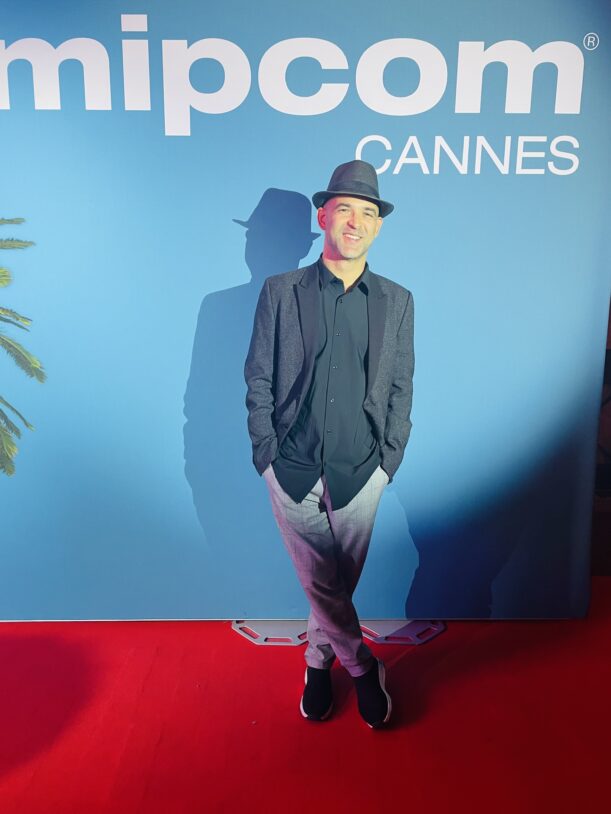
My career there began because of the series Elif. I first saw the posters for that series at Mipcom. At Mipcom in France, I saw posters of Elif everywhere. I was wondering, what is Elif? It turned out to be a series from Kanal 7. I actually joined the series in its 4th season, and suddenly, I started receiving messages from Latin America. It turned out that the series had been sold to more than 40 countries and had become one of the most beloved series among Latin viewers. In fact, after that series, 1,300 girls in Colombia were named Elif. That series gave me the opportunity to become known in Latin America. Latin children started memorizing the Turkish songs written for the series. Mothers sent us videos of their children singing. This helped us strengthen our presence in Latin America even further.
Can you explain a bit about composing music for TV series?
I generally create a theme music for all of the important characters. It’s a tradition that originates from Wagner in opera to compose music for characters or specific settings.
For instance, in a series, there might be a mansion that is featured frequently, and you create a theme for that mansion. When you see that mansion, music plays that describes it, and you understand it. For example, the character Mesut Komiser played by Şevket Çoruh in Back Streets was a truly pivotal character. He had fought against terrorism in eastern Türkiye, had a marriage that didn’t work out, and his wife didn’t let him see his child… He was a broken character. I had an old saz (a traditional Turkish string instrument) in my studio, which wasn’t in very good condition, with rusty strings. I used that saz when I played Mesut’s theme music. I thought it reflected his character well. The saz produced broken sounds, not perfect ones, but it suited Mesut Komiser very well.
Do you use the computer right away for your works, or do you start by exploring ideas with your guitar before turning to computer? Your analog side seems to be stronger.
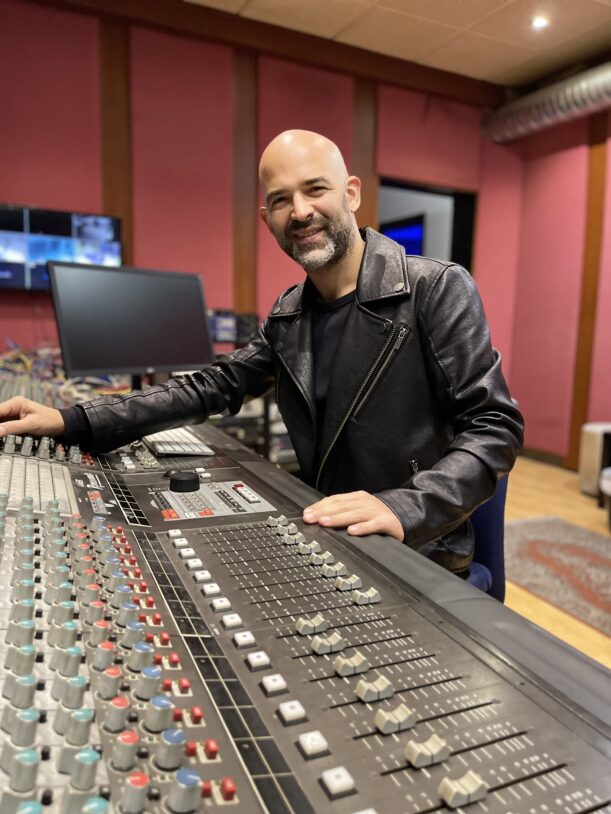
I start everything with the guitar first. After that, an arrangement is made, similar to what we do for albums. When I first started in 2004, live instruments in TV series music were very rare, almost never used. I wanted to incorporate live instruments just like in albums, and that immediately improved the sound quality. Now, live instruments are commonly used in Turkish TV series, including strings, trap drums, and guitars. Without live instruments, the music tends to sound like a demo. Especially our traditional Turkish instruments cannot be imitated by a computer at all. Therefore, there is a great need for live instruments.
The unique quality of live instruments is, in fact, irreplaceable, but now even visuals are being created by computers. What do you think about AI-generated works?
Yes, I take this as that AI still has a way to go. At least in music, it won’t replace everything immediately. I’ve listened to some music produced by AI, and it really lacks that ‘human touch’, as the Americans say, and that ‘human touch’ is very much needed. What I’ve heard tells me that. Remember when computer-generated music first appeared, we had a similar misconception. We thought that live instruments would no longer be used. In the early 1990s, albums were released with almost no live instruments. But for live instruments it’s a different story; a guitarist playing their guitar or a qanun or oud player performing is something that can’t be imitated, in my opinion. AI will be something that assists us in the production process, not something that replaces us, but rather helps us with our work.
What kind of projects would you love to compose music for? For example, a superhero series or a horror series?
This job is similar to acting; once you get involved in a certain type of project, similar offers tend to follow. Just like how Jim Carrey played the same roles for many years or how the late Kemal Sunal received similar project offers for a long time. When I started composing music for daily series, I began receiving numerous offers for daily series. In recent years, I have composed music for some documentaries. I created the soundtracks of the Netflix documentaries I’m Glad I Did, which chronicles Metin Akpınar’s life, and Sweetie, which tells the story of Yıldız Kenter’s life. Now, this has become a style in my career.

Murat Evgin: “The main element of film music is the tune, the melody. I see that the industry has drifted away from this.“
What are your aspirations, both in your career and for your 25th year in music?
I want to create things on a global scale now. I’ve created enough in Türkiye. Now I see the same things over and over. And the sad part is, I no longer hear any melodies in series. Various arpeggios, harmonies coming under the images. That’s fine, but when you turn off the series, there should be a melody that sticks with you. The main element of film music is the tune, the melody. I see that the industry has drifted away from this. I think one of the reasons for this is that every producer has a composer close to them. When it’s the screenwriter’s uncle’s son or the producer’s neighbor, it doesn’t work out. Of course, there are people producing good work, but there are no unforgettable film soundtracks or melodies that stick with people. At the moment, the only thing I am concentrating on is composing a soundtrack for series abroad.
This exclusive interview with Murat Evgin was featured in Episode Magazine’s NATPE Budapest 2024 issue.