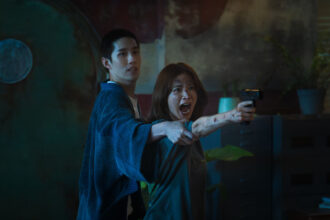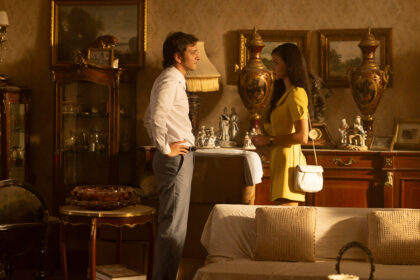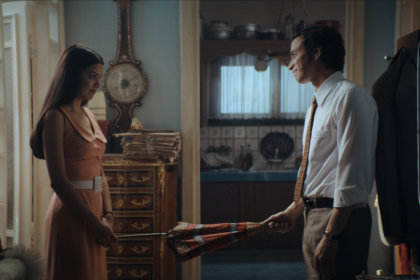





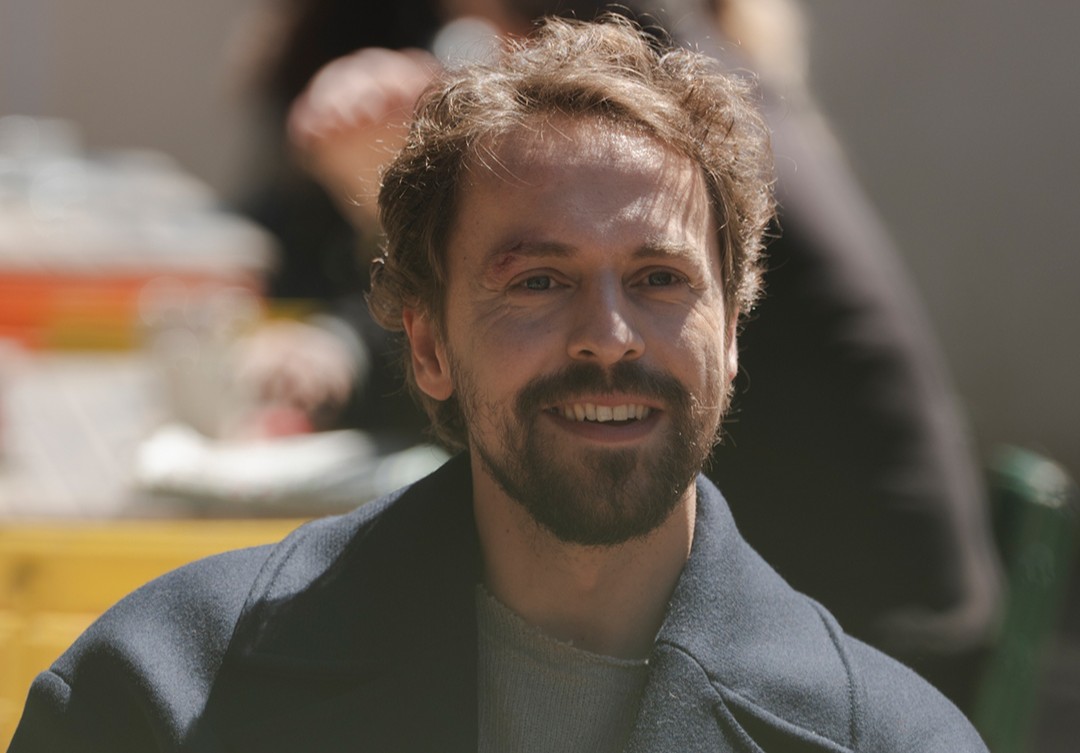
Metin Akdülger joins Hande Erçel in Prime Video’s Two Worlds, One Wish, navigating the space between reality and fairytale.
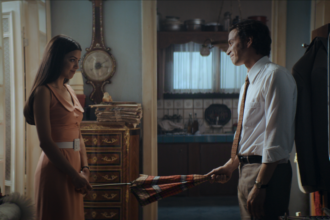
Hande Erçel is no longer only in front of the camera; she is now very much in the kitchen of the story as a creator and associate producer. Two Worlds, One Wish, which launched on Prime Video to meet the audiences, is the embodiment of the world Erçel has been nurturing in her imagination ever since she was a little girl. This becomes immediately clear while watching the film: The story belongs to her, and she translates her way of seeing the world onto the big screen with remarkable clarity.
From the telephatic bond between the characters to Can (Metin Akdülger) interpreting the rationality of archaeology like a fairytale, every detail gives insights into the creator’s inner world. We talked with the duo we’ve been waiting patiently (and for quite a long time) to interview about the milestones of their personal journeys, the way silence shaped the atmosphere on set, and the longing for “feel-good” stories.
Metin Akdülger: I don’t like forcing stories into molds. Personally, I am tired of violence, creative stagnation and stories about human malevolence. I am currently more drawn to narratives that are inclusive without seeking validation, stories about love and innocent dreams. That is why I can say this movie holds a special place for me.
Click here to read our interview with Hande Erçel.
Can is a successful archaeologist, yet he is also going through a difficult inner test, while destiny is on a journey to bring him together with Bilge. What did this “in-between two worlds” state of your character and his telephatic connection with Bilge contribute to you as an actor, and what was the hardest (or most enjoyable) part of conveying this spiritual communication to the audience?
Metin Akdülger: Can we really call Can a successful archaeologist? I am not sure. He is someone who doesn’t fit into the existing system, who struggles to understand hierarchical roles, feels stunted and insecure in social settings, and tends to shy away from standing out. I feel like men like this are often troubled, and success doesn’t come easily to them. Still, I think Can is being tested through success in his own way. He searches for the power to express himself and his need to be understood in the remnants of the past. I feel like some of the test’s questions come from here.
I don’t want to reveal too much about the telepathic aspect for those who have yet to watch the film. However, I believe that it offers a liberating solution, even though it is also a challenging one. I prefer not to give specific examples so as not to shape assumptions about the story.
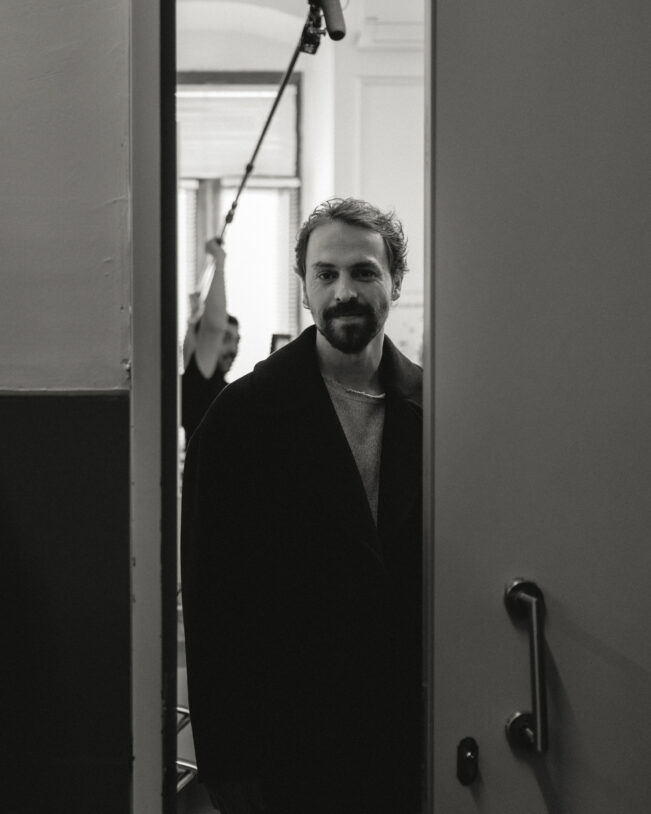
At the heart of the film lies destiny’s power to reunite two people. As the movie revisits Can and Bilge’s connection, one that began in childhood and is discovered years later with difficulty, which emotion do you think will stand out the most for viewers among themes like loss, longing and reconnection?
Metin Akdülger: I believe this is a film where we will see the heartfelt wishes of two innocent children turn their lives into an adventure, carried by those same hearts. Maybe seeing their hearts open up as they feel pure emotions can remind viewers of their forgotten wishes. I think it will leave audiences with complex feelings.
Can, because of his career as an archeologist, is a scientist who is committed to uncovering the past and concrete evidence. On the other hand, his connection with Bilge is completely beyond physical limits and logic; it has a surrealistic and spiritual quality. For a character who is so reality-oriented to place telephatical experience into the center of his life, how do you think this changed Can’s worldview? What did you find the most interesting while portraying this transformation?
Metin Akdülger: Can doesn’t approach his profession like a conventional scientist. He embarks on an adventure in which he remembers that it was a fairytale that first led him towards this career. He ultimately finds himself living within that fairytale-like reality. I interpreted Can from this perspective: I think he is less of an expert, more of a person who’s chosen to be an amateur, acting with his heart.
This is why his reaction to the supernatural events happening to him doesn’t align with what one might typically expect from a scientist. This experience feels like a dream to him. His mind works differently, and so do his reactions. That’s what makes him interesting to me.
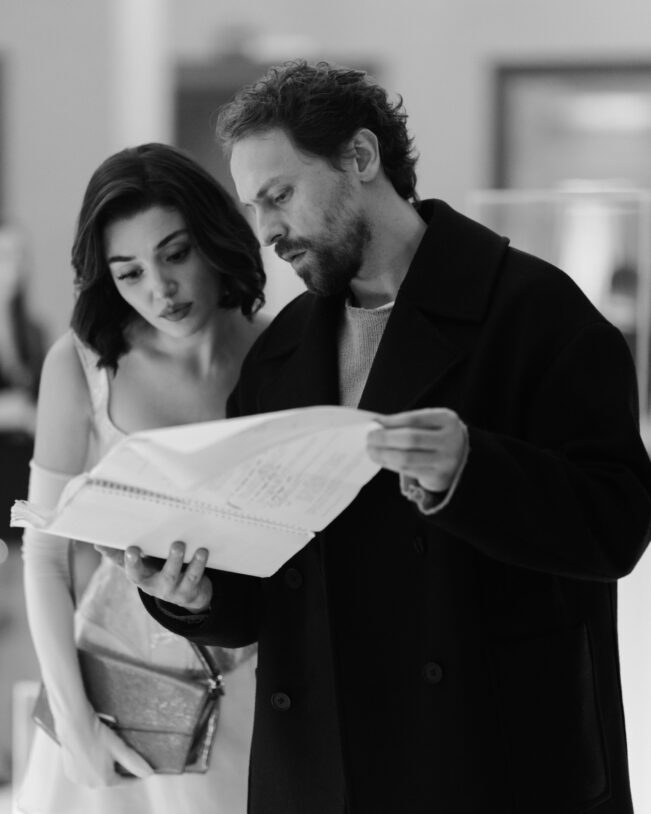
The opening scene of Two Worlds, One Wish, the atmosphere of that hospital scene on New Year’s Eve touches the viewers’ hearts immediately. New Year-themed films are not so common in our country. Are you someone who intentionally watches “feel-good” New Year’s movies as a way to shed the year’s fatigue and negativity? Do these films have a particular psychological impact on you?
Metin Akdülger: I think right now, much like many cultural themes, the New Year theme has also been loaded with certain political meanings. Personally, I see these days simply as a chance to spend a good time with loved ones, and I don’t enjoy loading a single day with more meaning than it can carry. I see this theme as a nostalgic touch in our movie.
I think the reason behind the existence of the New Year’s theme in movies might be the fact that this period coincides with school holidays and time off for many workers in different parts of the world. Innocent, warm movies that aim to bring people together and prioritize reaching a broad audience often emerge during this time and naturally become more widely known. I don’t know. I find overly rigid definitions exhausting.
I don’t like forcing stories into molds. Personally, I am tired of violence, creative stagnation and stories about human malevolence. I am currently more drawn to narratives that are inclusive without seeking validation, stories about love and innocent dreams. That is why I can say this movie holds a special place for me.