




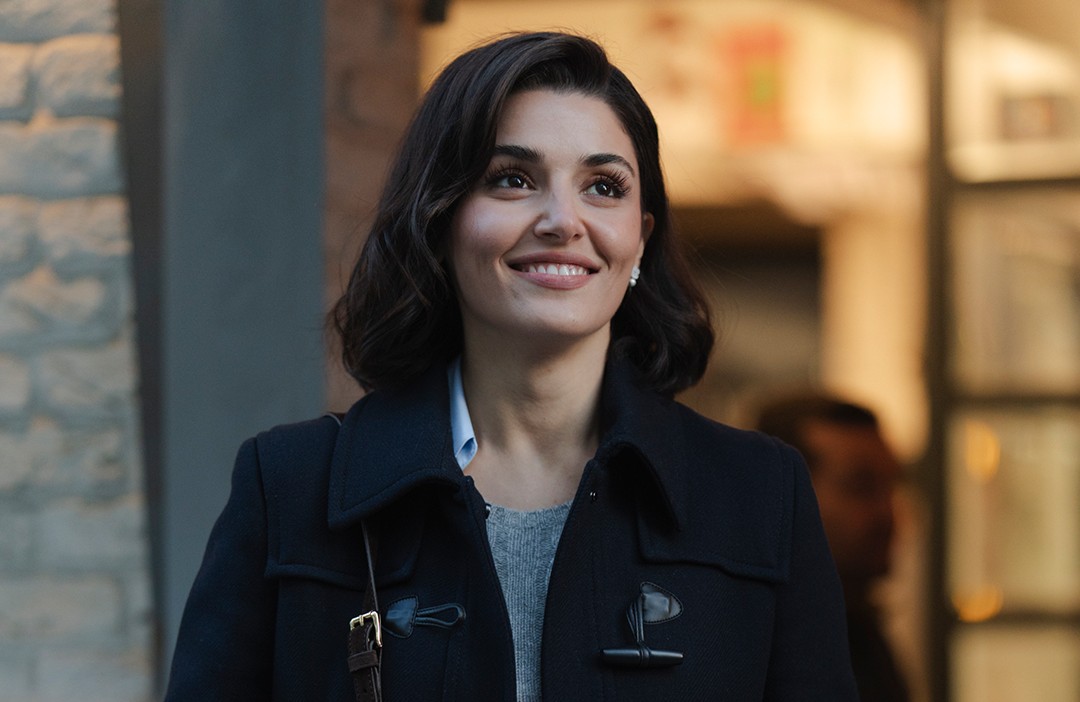
Hande Erçel is no longer only in front of the camera; she is now very much in the kitchen of the story as a creator and associate producer.
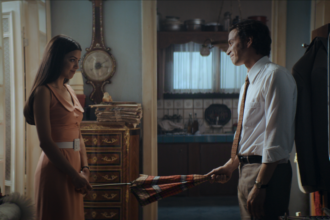
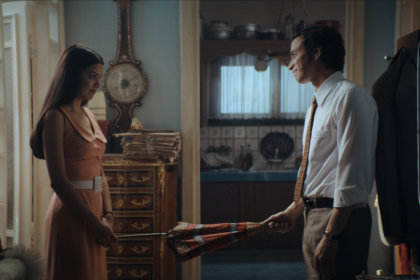
Two Worlds, One Wish launched on Prime Video to meet the audiences, is the embodiment of the world Hande Erçel has been nurturing in her imagination ever since she was a little girl. This becomes immediately clear while watching the film: The story belongs to her, and she translates her way of seeing the world onto the big screen with remarkable clarity.
From the telephatic bond between the characters Can (Metin Akdülger) and Bilge (Hande Erçel) to Can interpreting the rationality of archaeology like a fairytale, every detail gives insights into the creator’s inner world. We talked with the duo we’ve been waiting patiently (and for quite a long time) to interview about the milestones of their personal journeys, the way silence shaped the atmosphere on set, and the longing for “feel-good” stories.
Hande Erçel: Of course, loss, longing and waiting are woven into the fabric of the story, but ultimately, the movie serves as a reminder that some connections are never truly lost. It shows how, even after many years, some people’s place in our hearts never changes, and some stories simply refuse to remain unfinished. By the end, viewers may feel that: “Sometimes a wish can make a person believe again in the fairytales they once tried to forget.”
Click here to read our interview with Metin Akdülger.
How did it feel to be the creator of the story that inspired Two Worlds, One Wish and to serve as an associate producer on your first Prime Video project?
Hande Erçel: Being the creator of the story that inspired the movie Two Worlds, One Wish and working as an associate producer on my first Prime Video project was both a deeply personal and transformative experience for me. As an actress, you’re used to breathing life into a single character, but this time, I had to learn to take a step back and listen to the breath of the entire world. I was the one carrying the story’s rhythm, emotion and backbone from the beginning, and it was incredibly important to me to preserve that feeling throughout the production process.
This experience opened up a new chapter in my career because now I am not only bringing a character to life, I’m also thinking about how a story’s world would survive. This gave me a great advantage when it came to translating the emotional depth of the story onto the screen.

Did you have any say in the casting of Metin Akdülger and other actors as the creator and associate producer of the story? Especially for Can, Bilge’s soulmate, which criteria did you consider?
Hande Erçel: Can was, from the very start, “Metin” for me. The character’s quiet depth and warmth naturally align with Metin’s energy. That’s why I always knew he would be the one to play Can. It was a very special experience for me to see that connection grow organically on set.
The scenes in which Can and Bilge are “talking to themselves” (communicating telephatically) must have been challenging to film without breaking the audience’s suspension of disbelief. How did you approach those moments on set?
Hande Erçel: To be honest, we confronted that challenge head-on from the very first day we started filming those scenes. You have to truly believe in those moments where you appear to be talking to yourself so that it matches your reality and can be passed on to the audience. The director’s and the crew’s respect for the team and the actors is so valuable there, and we were very lucky in that sense. We experienced this with people who genuinely embraced the project. They supported wholeheartedly.
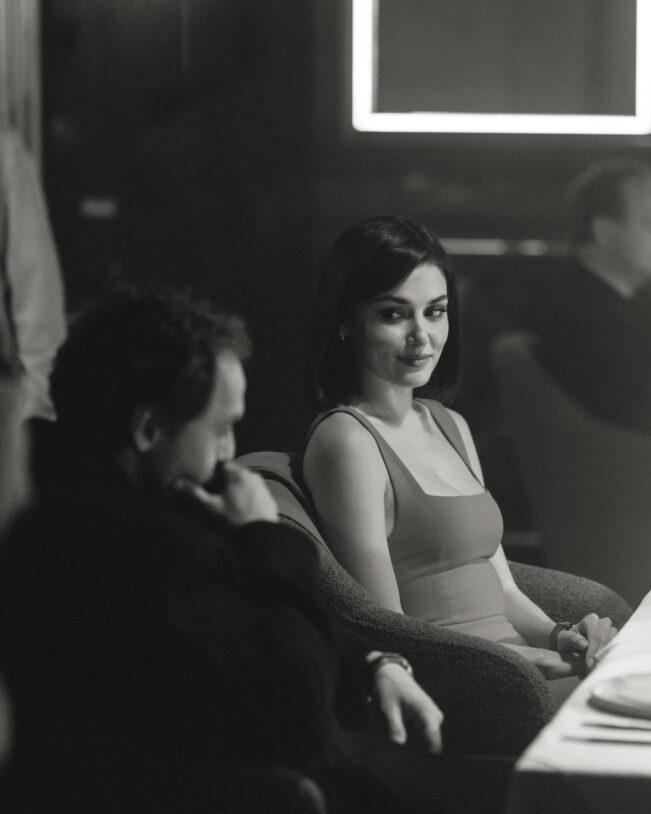
How long have you been thinking about screenwriting alongside acting, and what motivated you to write such an emotional and surreal love story?
Hande Erçel: I actually started creating my own stories when I was a child, and a time came when I felt that it wasn’t enough for me to keep them to myself, that I needed to share them, and I set to work.
This story carries many emotions within it… If I were to describe it from another perspective, I’d say that at its core lies destiny’s power to bring two people back together, and I believe some of the feelings audiences may experience are about “believing again, remembering the promises we make to ourselves.”
Of course, loss, longing and waiting are woven into the fabric of the story, but ultimately, the movie serves as a reminder that some connections are never truly lost. It shows how, even after many years, some people’s place in our hearts never changes, and some stories simply refuse to remain unfinished. By the end, viewers may feel that:
“Sometimes a wish can make a person believe again in the fairytales they once tried to forget.”